Film Noir to Neo-Noir: A Dark Makeover of Crime-Thrillers
How classic film noir’s shadows bled into the sleek cynicism of neo-noir thrillers
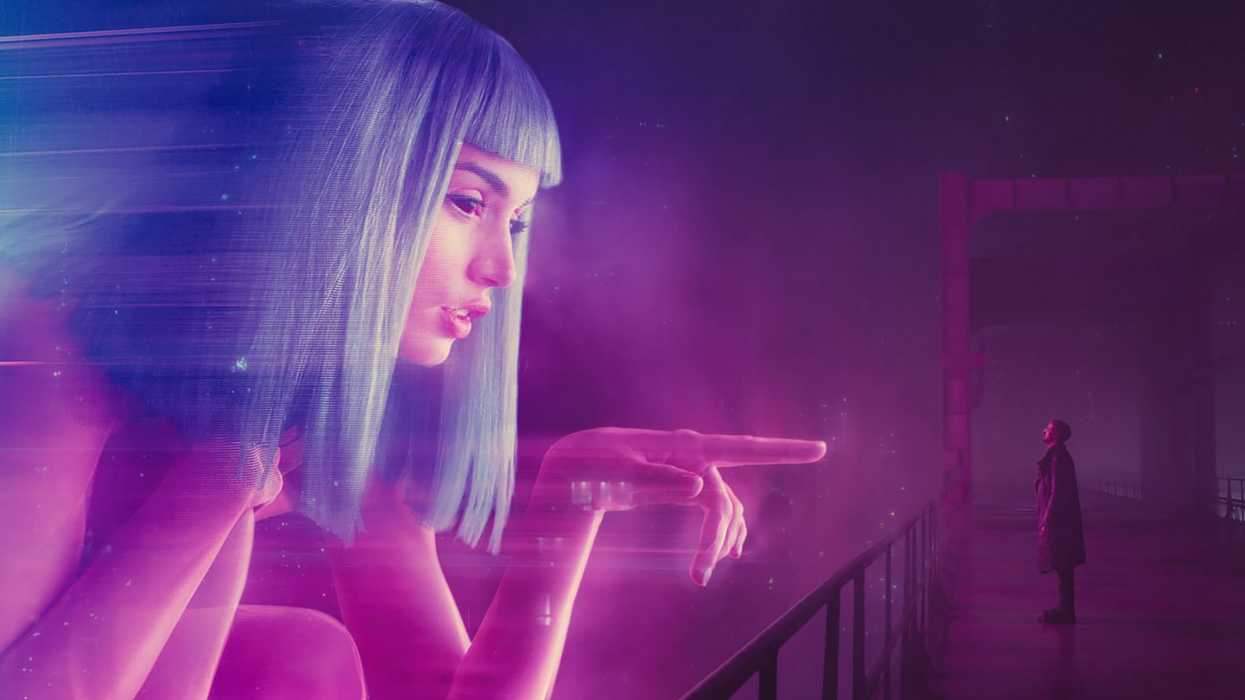
'Blade Runner 2049'
The rain-slicked streets, the morally ambiguous detective, the femme fatale with a hidden agenda—these classic elements of film noir were too good to fade away into oblivion. So they evolved.
Film Noir crawled into new skins, kept whispering dark thoughts into filmmakers’ ears, and reshaped itself into neo-noir. Sure, it shed its old skin, threw away trench coats and Venetian blinds, and its shadows were now neon-drenched instead of being just dark. It sure changed, but never disappeared.
At its core, film noir was more about atmosphere than just guns and dames. It leaned into mood over spectacle, embracing pessimism, distrust, and the feeling that everyone’s got a secret. Visually, it was stark and dramatic: harsh lighting, heavy shadows, Dutch angles, claustrophobic framing. Thematically, it swam in moral ambiguity, doomed ambition, and existential dread. Noir films didn’t offer tidy resolutions or shining heroes—they were dirty, complicated, and real in a way most Golden Age Hollywood films weren’t ready to be.
And yet, the genre didn't die—it morphed. Neo-noir inherited the soul of its predecessor but dressed it for a different era. It traded rotary phones for burner cells, trench coats for hoodies, and smoky jazz bars for CCTV-lit cityscapes. It’s a good thing it didn’t copy film noir. It reimagined it.
In this article, we trace how film noir’s DNA was preserved and twisted across decades, reshaped by cultural tides and cinematic innovation.
This is not an out-and-out film history lesson. It’s more of a breakdown of how the dark stayed sexy and why film noir’s cynicism still hits hard in the age of surveillance and social media.
The Birth of Film Noir: Darkness in Black & White
Origins & Influences
Film noir didn’t come out of nowhere. It was born in the shadow of war—literally. After WWII, America’s shiny postwar optimism clashed with a quieter, bleaker undercurrent: disillusionment, PTSD, and a growing mistrust in authority.
Enter the noir protagonist—jaded, aimless, caught in systems he couldn’t control.
The visuals came from Europe—specifically German Expressionism. Directors fleeing the Nazi regime brought with them a visual style built on contrast, shadows, and distortion. Films like The Cabinet of Dr. Caligari (1920) did more than influence film noir’s lighting. They laid the foundation for its mood. Add to that the tough, punchy prose of hardboiled writers like Raymond Chandler and Dashiell Hammett, and you had the perfect storm of style and substance.
Classic Era (1940s–50s)
The golden age of film noir hit hard and fast. Films like The Maltese Falcon (1941) and Double Indemnity (1944) definitely entertained their audience, but going forward, they even unsettled them. They told stories where the bad guy wasn’t always punished, the hero wasn’t always heroic, and fate had a nasty sense of humor. Film noir made it clear: justice was optional, and happiness? Rare.
- YouTube
These crime films were psychological pressure cookers, often narrated in hindsight by doomed protagonists. The voiceover became a signature—not just a gimmick but a window into their fractured minds. And visually, the black-and-white palette had a language of its own.
Signature Elements
Film noir was never about bright lights and happy endings. It thrived in the shadows—both visually and morally. Chiaroscuro lighting turned faces into maps of secrets. Dutch angles created unease without saying a word. Characters rarely smiled, and if they did, you probably shouldn’t trust them.
At the center of it all was the hardboiled detective—cynical, broke, and somehow more honest than everyone else around him. Then there was the femme fatale—smart, seductive, and usually lethal. Themes of betrayal, corruption, fatalism, and inner decay ran deep.
Film noir, instead of pulling punches, simply asked: What if we’re all just pretending to be good?
The Decline & Transition: Noir Goes Underground
Why Noir “Ended”
By the late '50s, the shadows began to fade. The cultural mood had shifted. America wanted suburban dreams and clean-cut heroes—not cynical loners chasing ghosts. Television had taken over as the dominant medium, and McCarthyism made subversive themes dangerous ground for filmmakers.
Censorship played a role, too. The Production Code limited how bleak you could go. Film noir, which thrived on moral ambiguity and unhappy endings, started to feel constrained. It never truly disappeared, but it definitely went underground—diluted, quieted, waiting for the world to catch up to its darkness again.
Film Noir’s Influence on Other Genres
Just because the spotlight moved on didn’t mean film noir was dead. Its fingerprints showed up in crime dramas, Westerns, psychological thrillers, and especially international cinema. The French New Wave adored film noir’s attitude and aesthetics. Films like Breathless (1960) by Jean-Luc Godard took film noir tropes and scrambled them—jump cuts instead of voiceovers, emotional detachment instead of melodrama.
In America, film noir’s tone seeped into the gritty realism of ‘70s cinema, but it didn’t yet have a name. That would come soon—with the rise of neo-noir, a genre that embraced its past while pushing it into a messier, more modern world.
The Neo-Noir Resurrection: Old Shadows in New Light
What Makes a Film Neo-Noir?
If you thought neo-noir is just film noir with better lighting, you would be wrong. Let's say, it keeps the bones—moral ambiguity, flawed characters, psychological tension—but it significantly updates the wardrobe. The themes get sharper, the cinematography sleeker, and the existential dread somehow even more relatable.
Where classic film noir asked “Who can you trust?”, neo-noir asks “Is there anyone you can trust at all?”
What separates neo-noir from its ancestor is context. Instead of smoky alleys and private eyes, you might get hackers, news editors, or even sociopathic photographers. Technology creeps in. So does postmodern self-awareness. It’s noir with a mirror held up to itself—and that mirror is probably cracked.
Key Phases of Neo-Noir
The first wave of neo-noir came out swinging in the '70s. The Long Goodbye (1973) updated Philip Marlowe with mumbling apathy, transplanting film noir angst into a disillusioned California haze. Chinatown (1974) was a throwback and a full-blown revival soaked in nihilism.
Then came the ‘80s and ‘90s, when things got weirder and slicker. Blade Runner (1982) launched noir into the future with flying cars and existential robots, but its heart was pure film noir: who am I, and how much of me is real? The Coen brothers’ Blood Simple (1984) and Curtis Hanson’s L.A. Confidential (1997) stripped noir down and rebuilt it with tighter scripts, moral grey zones, and zero sentimentality.
By the 2000s and beyond, noir was thriving again—just with a different wardrobe. Drive (2011) wrapped noir tropes in synth-pop and silence. Nightcrawler (2014) turned the hardboiled detective into a predator with a camera. Gone Girl (2014) gave us a femme fatale in yoga pants, spinning a web through media manipulation. Neo-noir had gone full digital, but its soul was still full of rot.
Visual & Thematic Evolution: From Shadows to Neon
Cinematography
Classic noir was about practical lighting—hard shadows, narrow hallways, and tight framing that boxed characters into their fate. It used what it had, and what it had was darkness.
Neo-noir, on the other hand, gets to play. Digital cinematography opens the frame. The shadows are still there, but they’re lit by neon signs and smartphone screens. Urban sprawl replaces foggy alleys. The camera now glides, floats, lingers—it’s more voyeur than participant.
Movies like Collateral (2004) and John Wick (2014) give us cities that feel alive and complicit. Light is used to reveal, but it disorients, seduces, and traps.
If noir was claustrophobic, neo-noir is isolating.
Character Archetypes Updated
Like the whole genre, the femme fatale also evolved. Gone Girl’s (2014) Amy Dunne (Rosamund Pike) is manipulative to the extent of weaponizing the narrative itself. She controls perception. The trope becomes commentary.
The hardboiled detective has also mutated. Gone are the trench coats and whisky-soaked monologues. Now we have characters like Lou Bloom (Jake Gyllenhaal) in Nightcrawler—a grinning, self-taught capitalist with no empathy. He’s not solving crimes; he’s selling them.
Even protagonists have shifted from unlucky everymen to high-functioning sociopaths. Neo-noir doesn't always ask us to root for them—but it dares us to watch.
Modern Themes
Neo-noir trades noir’s old demons (infidelity, murder, paranoia) for new ones: media obsession, surveillance, corporate greed, the death of identity in the digital age. The villain is no longer necessarily a person—it’s often a system, an algorithm, a brand.
Films like Zodiac (2007), Enemy (2013), or Under the Silver Lake (2018) dig into the fear that nothing is what it seems—and maybe never was.
Reality bends. Truth becomes optional. And noir thrives in that chaos.
Case Studies: Noir’s Legacy in Two Iconic Scenes
Classic Noir: Double Indemnity (1944) – The Seduction/Shadow Play
Billy Wilder’s Double Indemnity features one of noir’s most iconic setups: the married femme fatale Phyllis (Barbara Stanwyck) manipulates insurance salesman Walter Neff (Fred MacMurray) into plotting her husband’s murder. Their first meeting is drenched in sexual tension and foreboding. The Venetian blinds slash light across her face like prison bars. Neff steps willingly into the shadows.
The entire scene relies on implication. There’s no explicit danger, no gun pulled—but you feel the trap snapping shut. That’s film noir in its purest form: a moment where you realize the fall has already begun.
Neo-Noir: Drive (2011) – The Elevator Kiss/Violence Contrast
Nicolas Winding Refn’s Drive features a masterclass in tone-switching. In the elevator scene, the unnamed Driver (Ryan Gosling) shares a gentle, almost poetic kiss with Irene (Carey Mulligan)—a brief breath of humanity. But then, with no warning, he stomps a man’s skull in. Silence turns to violence. Romance to brutality.
It’s not only the sudden gore that makes this moment neo-noir—it’s the emotional whiplash. The scene weaponizes stillness, silence, and lighting to lull us into comfort before turning savage. It’s beautifully ugly, and ugly in a way that tells us who this man really is.
Comparison
Both scenes use shadows and silence like weapons. In Double Indemnity, the lighting seduces. In Drive, it deceives. Both protagonists are trapped—one by lust and ambition, the other by his own nature. The emotional damage runs equally deep in both—it’s just the brutality is more explicit in neo-noir. Film noir doesn’t need blood to hurt. All it needs is a decision you can’t undo.
Why Noir Endures: The Allure of the Dark Side
Psychological Appeal
There’s a reason noir never goes out of style—it scratches an itch most genres avoid. People are drawn to darkness when it’s dressed well. Noir gives us flawed characters making bad choices in a world that’s already rigged against them. Instead of asking you to fix something, it asks if you see yourself in the wreckage.
Cultural Relevance
Noir has always punched up. It points at systems—legal, political, social—and says, “This is broken.” In the ’40s, that meant corrupt cops or cheating lovers. Today, it’s rigged elections, surveillance capitalism, and billionaires who smile on magazine covers while bleeding the world dry.
Noir speaks the language of disillusionment, and disillusionment never goes out of season.
Future of Noir
The next wave is already here. We’re seeing noir cross genres—sci-fi noir (Ex Machina), horror noir (Under the Skin), even animation noir (Spider-Man: Into the Spider-Verse). As AI, deepfakes, and algorithmic manipulation become part of daily life, expect noir to keep evolving. It won’t look the same, but it’ll feel the same. Cold. Sharp. Honest.
The Cycle of Shadows
Noir was always more than a genre. It was a lens to expose society’s underbelly. It crawled out of wartime trauma, clung to the cracks in American dreams, and found a way to stay relevant by evolving with the times. Neo-noir didn’t reinvent noir. It just updated it with the current times. It put the same doubts and dread into modern packaging and dared us to keep watching.
As long as humans mess up, as long as systems stay flawed, as long as we’re drawn to stories where truth is slippery and justice is optional—noir will survive.
And maybe the next evolution isn’t just visual or thematic, but structural. Interactive noir? Global noir in different languages and cultures? The shadows are always shifting. We just have to follow them.
- Light Film Noir Shots with a Projector and Adobe After Effects ›
- A Comprehensive Guide to Film Noir ›
- The Stylistic Elements of Film Noir, Explained In One Handy Infographic ›
- 11 Character Archetypes in Film Noir Movies ›
- Shadows and Sin: 9 Essential Film Noir Quotes That Define the Genre ›
- 5 Forgotten Crime Movies of the 1980s Worth Rediscovering ›