The Definitive Ranking of Every Nora Ephron Movie
Whether she wrote it, directed it, or did both—these are the films that built Ephron’s legacy.
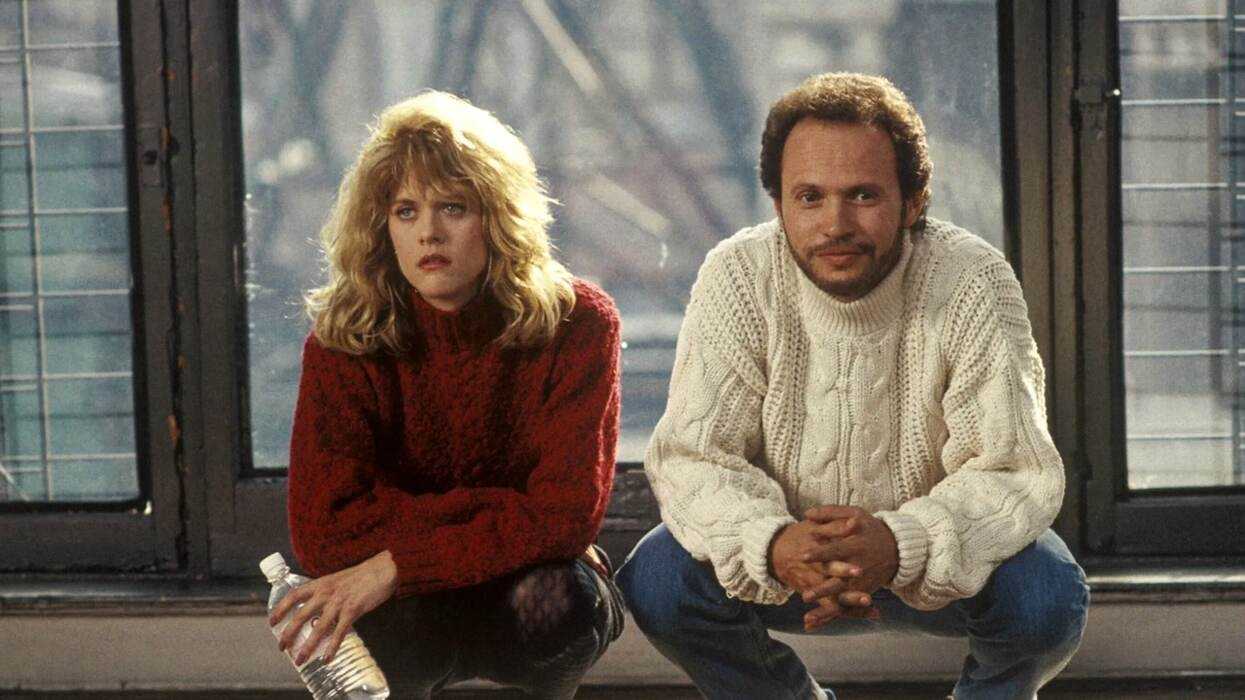
When Harry Met Sally... (1989)
Nora Ephron was one of those few writers who wrote rhythms instead of dialogue. Her words moved like real conversations—only sharper, funnier, and more emotionally precise. In a Hollywood full of noise, she gave us stories rooted in wit, vulnerability, and people who actually sounded like people.
While Ephron dabbled in journalism, essays, and novels, it was screenwriting that made her a Hollywood force. She had a knack for pulling comedy out of pain and turning awkward silences into defining moments. Her directorial work was more uneven, but when writing and direction aligned, she created films that practically defined the modern rom-com.
This list ranks all 15 of her movies—whether written, directed, or both—with a focus on her screenwriting (70%) and direction (30%). The rankings consider craft, character, structure, impact, and rewatchability.
Let’s get to it!
Nora Ephron: The Writer vs. The Director
Nora Ephron made her name in Hollywood not by chasing trends, but by writing the kinds of stories no one else was telling—especially not with her level of honesty, humor, and sharpness. As a screenwriter, she had a singular voice: fast-paced, emotionally layered, and full of sharp observations about love, work, aging, and all the absurdities in between. Her characters more bantered rather than spoke, with lines that sounded lived-in but landed with precision. She built tension through conversation, not conflict, and had an unmatched instinct for where to place a joke, a pause, or a gut punch.
Her talent as a director, however, was a slower build. Ephron didn’t start directing until This Is My Life in 1992, long after she had already become one of Hollywood’s most bankable screenwriters. As a director, her style leaned warm and character-focused. She wasn’t flashy. She didn't rely on visual trickery or complex camerawork. What she cared about was tone—and making sure her actors inhabited the emotional beats of the story. The result? Films that often feel deceptively simple, yet linger longer than most.
What makes her career unique is how often her direction tried to honor her writing, not overshadow it. Sometimes that balance worked beautifully—You’ve Got Mail, Julie & Julia. Other times, the direction couldn’t quite elevate a weaker script. But when both elements clicked, you got the full Ephron effect: funny, intimate, and unshakably human.
Let’s see how her films stack up—from Meh to Wow.
15. Lucky Numbers (2000)
Written by: Adam Resnick | Directed by: Nora Ephron
John Travolta plays Russ Richards, a TV weatherman in snowy Pennsylvania who’s down on his luck and decides to rig the state lottery. With Lisa Kudrow as his scheming co-conspirator and Tim Roth in tow, the film tries to juggle a darkly comic tone while dipping into crime-caper territory.
But this one never finds its footing. Ephron didn’t write the script, and the absence of her voice is apparent. Though the film struggles overall, you can still sense Ephron’s attempt to shape chaos into something character-driven—even if the absence of her own writing holds it back.
There’s a lot to unpack here, especially for directors. Tone is everything in dark comedy, and this film shows how easily it can slip. It’s a reminder that even great directors like Ephron need the right script to bring their instincts to life—because without a solid foundation, even the best intentions can fall flat.
14. The Super (1991)
Written by: Nora Ephron | Directed by: Rod Daniel
Joe Pesci stars as Louie Kritski, a smug New York slumlord forced to live in one of his own neglected buildings as punishment for years of tenant mistreatment. The setup leans into classic redemption territory, following a man slowly coming to terms with the consequences of his greed and indifference.
Ephron’s script embraces the comedic potential of the premise, and while it doesn’t showcase the emotional depth or layered characters typical of her best work, it still taps into the core idea of transformation. The moral arc is familiar, even predictable, but there's a playful energy to how it unfolds. It's a broader, more physical brand of humor than she usually favors, yet traces of her voice peek through in character exchanges and social commentary.
Writers can take this as a reminder that even within a traditional structure, small character details and moments of surprise can elevate the familiar. And while The Super may not reflect Ephron at her sharpest, it shows her experimenting within genre boundaries—and occasionally finding flashes of resonance.
13. Mixed Nuts (1994)
Written by: Nora Ephron & Delia Ephron | Directed by: Nora Ephron
Set on Christmas Eve at a suicide-prevention hotline, Mixed Nuts follows the eccentric staff and clients as their lives collide in increasingly chaotic ways. With a cast that includes Steve Martin, Madeline Kahn, and Rita Wilson, the film aims for holiday comedy with a screwball twist, blending farce with moments of emotional reflection.
The script brims with energy, and Ephron clearly relishes the opportunity to orchestrate comic mayhem. While the tonal shifts can feel a bit uneven, there’s an underlying sweetness that gives the film heart. Some jokes land better than others, but the intention to find lightness in loneliness—especially during the holidays—is evident and heartfelt.
For filmmakers, Mixed Nuts is a reminder of the tightrope walk that is ensemble comedy. It highlights the importance of pacing, tonal control, and character clarity—but also the value of taking creative risks. Even if it doesn’t all come together, the film’s ambition and warmth offer something to admire.
12. Cookie (1989)
Written by: Nora Ephron & Alice Arlen | Directed by: Susan Seidelman
Cookie follows the teenage daughter (Emily Lloyd) of a mafioso (Peter Falk) who tries to reconnect with her father after he's released from prison. What starts as a gritty comedy about family dysfunction ends up as a hybrid of mob movie and coming-of-age tale.
There are moments of promise in the script—some solid one-liners, a bit of screwball charm—but the tone shifts in ways that make it harder for the story to fully settle. Ephron and Arlen aim to mix heart with mob-world absurdity, and while that blend doesn’t always land cleanly, it’s clear they were reaching for something offbeat and original. The father-daughter dynamic has sparks of emotional depth, even if the surrounding plot doesn’t always support it.
For writers experimenting with genre crossovers, Cookie serves as a thoughtful case study. It shows how tricky it can be to balance grit with warmth, or sentiment with satire. Still, the attempt to bring something different to a familiar world is admirable—and even in its unevenness, you can sense the creative risks being taken.
11. Bewitched (2005)
Written by: Nora Ephron, Delia Ephron & Adam McKay | Directed by: Nora Ephron
In this meta-remake of the classic sitcom, Isabel Bigelow (Nicole Kidman), an actual witch, is cast opposite egotistical actor Jack Wyatt (Will Ferrell) in a reboot of Bewitched. It sounds clever, but at times the story gets a little too wrapped up in its own clever mechanics.
The script plays with a meta-premise that’s undeniably bold—reimagining Bewitched while also commenting on Hollywood itself. While it sometimes struggles to balance its many tones, there’s a charm to its ambition and moments where Ephron’s signature wit peeks through. Nicole Kidman brings a light, whimsical presence, and the film has flashes of the warmth and playfulness Ephron always aimed for.
For storytellers, Bewitched offers a lesson in the challenges of high-concept storytelling. It reminds us how tricky it can be to juggle multiple genres and still maintain emotional focus. Even when the pieces don’t all fit perfectly, there’s value in the attempt—and in watching a seasoned filmmaker like Ephron stretch her voice in new directions.
10. Michael (1996)
Written by: Nora Ephron, Delia Ephron & Pete Dexter | Directed by: Nora Ephron
John Travolta plays Michael, an angel who smokes, drinks, and flirts his way through a road trip with a group of skeptical journalists. The story blends whimsy with redemption, playing more like a spiritual dramedy than a traditional rom-com.
The script has charm in patches, especially when it leans into Michael’s contradictions. The story doesn’t always move with momentum, but there’s a gentle sincerity running through it that gives the film heart. Ephron’s direction embraces whimsy and wonder, even if the tone occasionally drifts between playful and pensive.
For writers and directors alike, Michael highlights the creative challenge of blending fantasy with grounded emotion. The film shows Ephron’s willingness to explore unusual territory while still prioritizing character connection over spectacle.
9. Hanging Up (2000)
Written by: Nora Ephron & Delia Ephron | Directed by: Diane Keaton
Three sisters—Meg Ryan, Diane Keaton, and Lisa Kudrow—juggle aging parents, emotional baggage, and each other in this adaptation of Delia Ephron’s novel. The story centers on the guilt, frustration, and love that simmer just below family phone calls.
The writing has its strengths, particularly in capturing the ebb and flow of family tension with humor and vulnerability. While the narrative doesn’t always follow a tight structure, its episodic nature reflects the emotional fragmentation that often defines real-life family dynamics. Some moments feel heightened, but they stem from an honest place.
For writers, Hanging Up offers insight into how authenticity can shine through even in loosely structured storytelling. It reminds us that sometimes, emotional resonance lives in the messiness—in the silences, the arguments, and the memories that don’t resolve cleanly.
8. My Blue Heaven (1990)
Written by: Nora Ephron | Directed by: Herbert Ross
Steve Martin plays Vinnie Antonelli, a flamboyant ex-mobster relocated to suburbia through the witness protection program. Rick Moranis plays the uptight FBI agent assigned to keep him in check. The film spins their odd-couple dynamic into a fish-out-of-water comedy, complete with Hawaiian shirts, supermarket heists, and Martin doing a hilariously exaggerated Noo Yawk accent.
Ephron’s script is playful and loaded with charm, especially in the character contrasts. Her knack for dialogue and comedic timing is front and center. It’s a lighter, goofier counterpart to Goodfellas—and not by accident. Ephron was married to Nicholas Pileggi, who wrote Goodfellas, and both films were released months apart.
Writers can look to My Blue Heaven for how to stretch character personalities to the edge without snapping believability. It’s a strong example of how to wring humor from personality clashes, even in a story that doesn't strive for depth.
7. This Is My Life (1992)
Written by: Nora Ephron & Delia Ephron | Directed by: Nora Ephron
Dottie Ingels (Julie Kavner), a single mom and aspiring stand-up comedian, leaves her department store job to pursue her dream of making it big. Her daughters, left to adapt as their mother’s ambitions start to take flight, begin to feel the emotional cost of playing second fiddle to a rising career.
As her directorial debut, This Is My Life is a heartfelt and quietly funny story about ambition, parenting, and the blurry line between self-expression and selfishness. The writing is reflective and gentle, filled with small moments that feel lived-in. Ephron’s direction keeps the tone intimate, even when the subject matter could easily tip into melodrama.
This film is a reminder that stories don’t have to be loud to land. For filmmakers, it’s a case study in low-stakes storytelling done well—anchored in character rather than plot, and driven by emotional truth rather than narrative twists.
6. Heartburn (1986)
Written by: Nora Ephron | Directed by: Mike Nichols
Based on Ephron’s own painful marriage to journalist Carl Bernstein, Heartburn follows Rachel (Meryl Streep), a food writer who falls for and marries political columnist Mark (Jack Nicholson)—only to discover he’s cheating on her while she’s pregnant. The film tracks Rachel’s journey from hopeful romantic to emotionally gutted single mom, with plenty of biting asides along the way.
The screenplay pulls no punches. Ephron translates personal betrayal into sharp, darkly funny observations about trust, domesticity, and starting over. There’s a clear undercurrent of catharsis in the writing, and the dialogue slices without ever sounding theatrical. While the film lacks the structural tightness of her later work, the emotional clarity is unmistakable.
One major takeaway here is that writing from lived experience doesn’t mean airing grievances—it means shaping raw emotion into narrative form. Ephron shows how to blend memoir and fiction in a way that’s both brutally honest and universally relatable.
5. Julie & Julia (2009)
Written by: Nora Ephron | Directed by: Nora Ephron
This warm, dual-storyline film follows two women separated by decades: Julia Child (Meryl Streep), discovering her passion for French cooking in 1950s Paris, and Julie Powell (Amy Adams), a disillusioned New Yorker who blogs her way through all 524 recipes in Mastering the Art of French Cooking. The stories unfold in parallel, exploring identity, fulfillment, and the sheer chaos of dinner.
Ephron's script handles both timelines with equal grace, never letting one overpower the other. Julia’s world bursts with flavor and energy, while Julie’s narrative feels more interior and contemporary, but both arcs reflect Ephron’s ongoing fascination with women forging lives through self-expression. The food-as-emotional-metaphor thread is subtle but poignant. As a director, Ephron leans into vibrant, appetizing visuals and warm lighting, crafting a film that’s comforting without being sugary.
This film is a reminder of the power of structure. Aspiring writers can study how Ephron weaves two parallel journeys that reflect and elevate each other. Directors, meanwhile, can take note of her tonal consistency and use of sensory detail as a storytelling tool.
4. Sleepless in Seattle (1993)
Written by: Nora Ephron, David S. Ward & Jeff Arch | Directed by: Nora Ephron
Sam Baldwin (Tom Hanks), a widowed father in Seattle, becomes a national sensation when his son calls into a radio talk show on his behalf. Annie (Meg Ryan), a reporter in Baltimore, hears the call and becomes fixated on meeting him, despite being engaged to someone else. The two don’t actually meet until the final scene, but the movie is about belief in love before you’ve lived it.
The screenplay plays with classic romantic tropes while turning them inside out. It references An Affair to Remember unapologetically and builds longing through proximity, not interaction. Ephron’s direction is quietly assured—she understands the emotional architecture of the genre and never rushes it. The film is heavy on voiceovers, letters, and phone calls, but it never feels static.
There’s a lesson here about taking creative risks. Ephron keeps her leads apart for most of the runtime, trusting that emotional resonance will carry the story. It’s a high-wire act, and it works because the writing earns every beat.
3. You’ve Got Mail (1998)
Written by: Nora Ephron, Delia Ephron & Miklós László | Directed by: Nora Ephron
Kathleen Kelly (Meg Ryan) owns a cozy children’s bookstore. Joe Fox (Tom Hanks) is part of the corporate chain threatening to shut her down. Unbeknownst to them, they’re also anonymous email pen pals falling in love online. It’s The Shop Around the Corner for the AOL era.
This is Ephron’s most structurally refined romantic comedy. The emails are clever, vulnerable, and packed with coded subtext. Every scene balances warmth with sting—the kind of emotional layering that’s easy to underestimate. The film is rich with cultural touchpoints (NYC coffee shops, dial-up modems, bookstore nostalgia), and her direction brings a cozy visual consistency.
What sets this film apart is its emotional intelligence. For storytellers, it's a blueprint on how to modernize a classic while adding dimension to both conflict and chemistry. The digital romance might date the film, but the emotional core is timeless.
2. Silkwood (1983)
Written by: Nora Ephron & Alice Arlen | Directed by: Mike Nichols
Based on the true story, Karen Silkwood (Meryl Streep), a nuclear facility worker, becomes a whistleblower after suspecting the plant of dangerous safety violations. The film follows her increasing isolation and fear as she investigates her employer and the cost of doing so. Her story ends in tragedy, with implications of a cover-up still unresolved.
Ephron’s script, co-written with Alice Arlen, is lean and unsentimental. There’s no rom-com gloss here—just sharp observations and a tight grip on character psychology. The writing doesn’t preach; it lets the tension build organically. Mike Nichols brings a subdued visual style that lets the performances do the heavy lifting, and Streep delivers one of her most quietly powerful roles.
The strength of Silkwood lies in its restraint. Writers can learn how to create stakes without bombast. The dialogue is economical, the drama earned, and the moral complexity allowed to breathe. It’s a different shade of Ephron—darker, riskier, and absolutely gripping.
1. When Harry Met Sally... (1989)
Written by: Nora Ephron | Directed by: Rob Reiner
Harry (Billy Crystal) and Sally (Meg Ryan) meet right after college and spend the next decade falling in and out of each other's lives—arguing, bonding, and eventually confronting the question: can men and women really just be friends? The film unfolds through vignettes, voiceovers, and slice-of-life interludes, charting their evolving dynamic over the years.
This is where Ephron’s voice crystallized. The script is funny, neurotic, and endlessly quotable. She captures the rhythms of friendship-turned-romance with an anthropologist’s curiosity and a stand-up comic’s timing. Rob Reiner’s direction is perfectly in sync with the writing, letting the dialogue carry the weight. The orgasm scene in Katz’s Deli? Iconic—but it’s just one of many moments where the film lands real emotional truth without ever reaching for it.
There’s a reason this film is still being studied. It redefined romantic comedies by treating them with intellectual seriousness and emotional realism. For writers, it’s a clinic on dialogue. For filmmakers, it’s proof that a good script doesn’t need bells and whistles—it just needs clarity, trust, and the right rhythm.
Nora Ephron’s Legacy
Nora Ephron’s scripts often made the most of what others might consider small: a conversation over pie, an email about daisies, a phone call from a grieving widower. But within those moments lived big emotions, sharp observations, and a lot of deeply funny truths. She understood the architecture of a scene, the psychology of a relationship, and the emotional math of every punchline.
Her directorial career was more of a patchwork. At times, it elevated her voice; other times, it revealed the limits of a filmmaker still chasing her instincts. But when it worked, she gave us cinematic spaces that felt warm, witty, and worth revisiting again and again.
Ephron shaped the DNA of modern romantic comedies. Her influence shows up everywhere—from Nancy Meyers and Greta Gerwig to the dialogue-heavy indies of today. She made it okay for stories to care about feelings, about city life, about growing up, and getting older. And she did it all while sounding like herself.
Conclusion
Nora Ephron made movies that mattered. Her best scripts taught us that love isn’t just about the kiss at the end—it’s about the awkward dinner before it, the emails that go unanswered, the phone calls you make in the middle of the night. Her legacy is a body of work that’s smart without being smug, emotional without being manipulative, and funny without ever feeling forced.
Rewatching her films is a reminder that great storytelling lives in the details. The rhythms, the pauses, the wit, the vulnerability. That was Ephron’s gift. And it still holds up.