7 Occult Horror Movies That Deserve a Second Look
These films render a lens to ancient traditions, religious taboos, and dark aspirations of power.
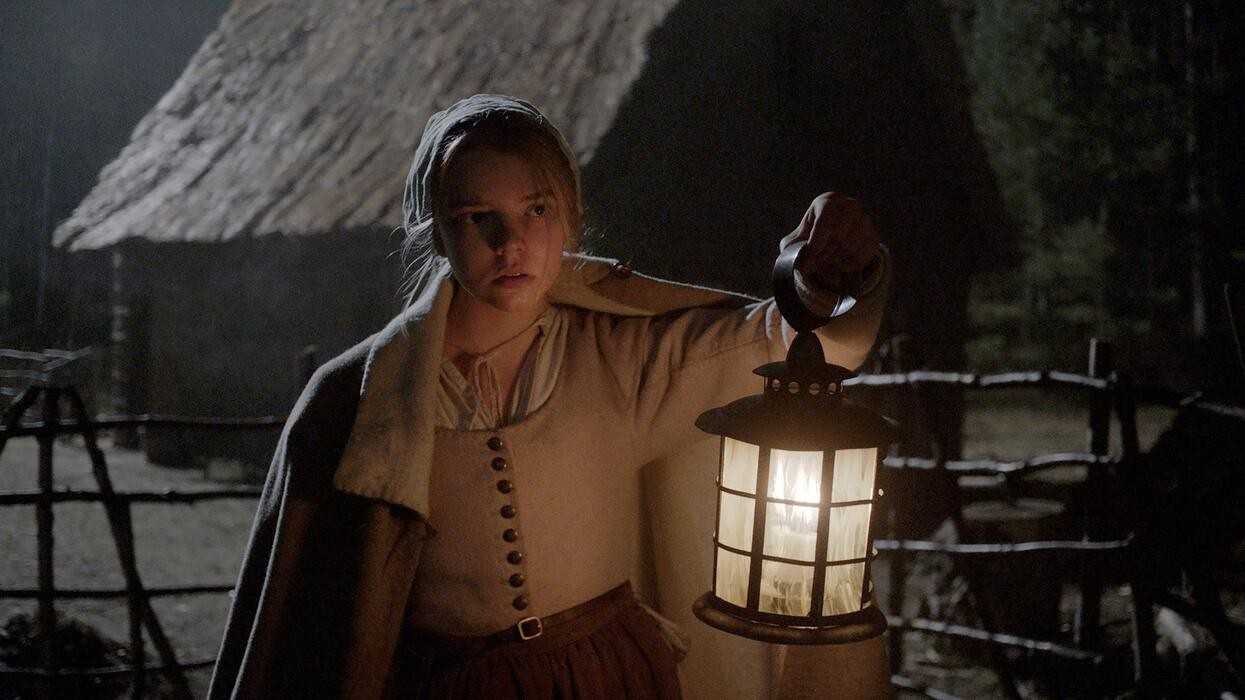
The Witch (2015)
Occult horror cinema draws from a rich tapestry of global spiritual traditions, ancient beliefs, and forbidden knowledge to explore humanity’s relationship with unseen forces. These films examine the intersection of power and morality, often revealing how ordinary people respond when confronted with the supernatural.
In cinema, “occult” typically refers to films featuring supernatural practices, esoteric knowledge, witchcraft, Satanism, or other hidden spiritual forces that influence the narrative and characters' fates.
What unites these films is their exploration of transgression. Often, these characters cross spiritual, moral, or natural boundaries in pursuit of power, knowledge, or revenge. The most effective occult films use supernatural elements to examine human concerns.
This article examines seven notable occult films that demonstrate the subgenre's range and artistic potential, spanning different eras, cultures, and filmmaking approaches.
7 Notable Occult Films Worth Discovering
1. A Dark Song (2016)
Liam Gavin’s A Dark Song follows a grieving mother, Sophia (Catherine Walker), who, with the help of an occultist, Joseph (Steve Oram), performs a seance to contact her deceased son’s guardian angel to get closure from her grief. The film gradually reveals that her true motivation is revenge against those who killed her child.
What sets A Dark Song apart is its commitment to depicting authentic occult practices. Gavin researched actual ceremonial magic traditions, particularly the Abramelin operation, to create an unusually realistic portrayal of lengthy, demanding ritual work.
A Dark Song utilizes a confined space to its advantage, amplifying claustrophobia and tension, while underscoring the inevitable consequences of these characters’ actions.
2. Belladonna of Sadness (1973)
Directed by Eiichi Yamamoto, Belladonna of Sadness is a story of a woman’s revenge against the patriarchy in society.
A peasant woman in medieval France, Jeanne (Aiko Nagayama), is raped on her wedding night. Traumatized and powerless, Jeanne accepts a devil’s deal to give her soul to him in exchange for power. Soon, her power brings her authority and even reverence in a society that once refused to acknowledge her.
As her influence grows, the men around her feel increasingly threatened, and eventually, she is branded as a witch and burned at the stake.
The film features psychedelic, watercolor-inspired animation and doesn’t shy away from erotic imagery, which enhances the surrealism of Jeanne's traumatic journey and enriches the allegory for broader social change.
3. The Holy Mountain (1973)
Directed by Alejandro Jodorowsky, The Holy Mountain follows an Alchemist who leads a group of seven influential individuals to the Holy Mountain to learn the secret of immortality from the nine immortal masters. They renounce their materialism through bizarre rituals and symbolic acts as they make their journey.
The Holy Mountain employs an impressive style of nonlinear, episodic storytelling that invites viewers to interpret meaning through association and intuition, rather than relying on logic.
By unfolding the narrative in a series of symbolic vignettes rather than a conventional plot structure, Jodorowsky transforms the film into a spiritual lesson about illusion and awakening.
4. The Witch (2015)
Through the story of a Puritan family forced to build a new life from scratch on the edge of a foreboding forest, the film poses important questions, such as what exposes people to evil and how trust is a volatile emotion.
Robert Eggers won the Directing Award in the U.S. Dramatic category at the 2015 Sundance Film Festival for this work.
Eggers achieves both historical authenticity and psychological unease through the use of symbolic imagery, narrative ambiguity, and restrained storytelling techniques.
5. Starry Eyes (2014)
Directed by Kevin Kölsch and Dennis Widmyer, Starry Eyes draws from Hollywood's reputation for exploitative industry practices and rumored occult influences among powerful figures.
A story of a young struggling actress, desperate for her big break as she tirelessly waits tables, Starry Eyes follows Sarah Walker’s (Alexandra Essoe) journey to fame as she enters into a fatal agreement with the devil to realize her ambitions of stardom and fortune.
Starry Eyes expertly combines psychological horror, body horror, and slasher elements within an occult framework. The film uses visual symbols to explore themes of self-destruction and the price of ambition.
6. The House of the Devil (2009)
Directed by Ti West, The House of the Devil presents traditional Satanic panic themes with its 1980s setting and cult horror elements.
Set in 1983, it follows a struggling college student, Samantha (Jocelin Donahue), who takes up a babysitting job, hoping to make her rent for the month. But once she arrives at the house, she realizes that her employers are Satan worshippers, and now her life is in peril.
West commits to atmospheric slow-burn, period authenticity, and most importantly, minimal jump scares to distinguish The House of the Devil from its peers, demonstrating how horror isn’t simply a series of loud shocks.
7. Black Sunday (1960)
A landmark in Italian Gothic horror, Mario Bava’s Black Sunday is a story of a woman’s revenge, exploring themes of forbidden knowledge and the duality of morality.
Princess Asa Vajda (Barbara Steele) and her lover, both executed by her brother for being a witch and a wizard, are resurrected 200 years after their death. As Princess Asa possesses the body of her beautiful lookalike descendant, Princess Katia, she and her lover set out to seek revenge for their brutal execution.
Bava integrates Catholic and occult symbols to deepen the film’s themes and explore the visual language of Gothic horror. This style would go on to inspire filmmakers such as Tim Burton.
These seven films demonstrate occult cinema's capacity to address diverse concerns, from feminist revenge narratives to critiques of religious extremism, while employing supernatural elements to examine fundamental human struggles with power, morality, and belief.
Have you watched any on this list? Let us know if we missed any!