Over the decades, queer horror has transformed from “read between the lines” subtext to unabashed on-screen representation in movies from the United States and around the world. Camp has the power to unshackle how people can behave. Gritty body horror can rip apart societal expectations of gender.
On this list, there are entries you might expect, like the bloodstained, sapphic The Hunger (1983). There are also lesser-known titles and upcoming releases you shouldn’t miss out on. The following queer horror films can terrify with safe scares or empower the LGBTQ+ community to face vampires, slashers, and other monsters.
1. The Old Dark House (1932)
 ‘The Old Dark House’ (1932)Credit: Universal Pictures
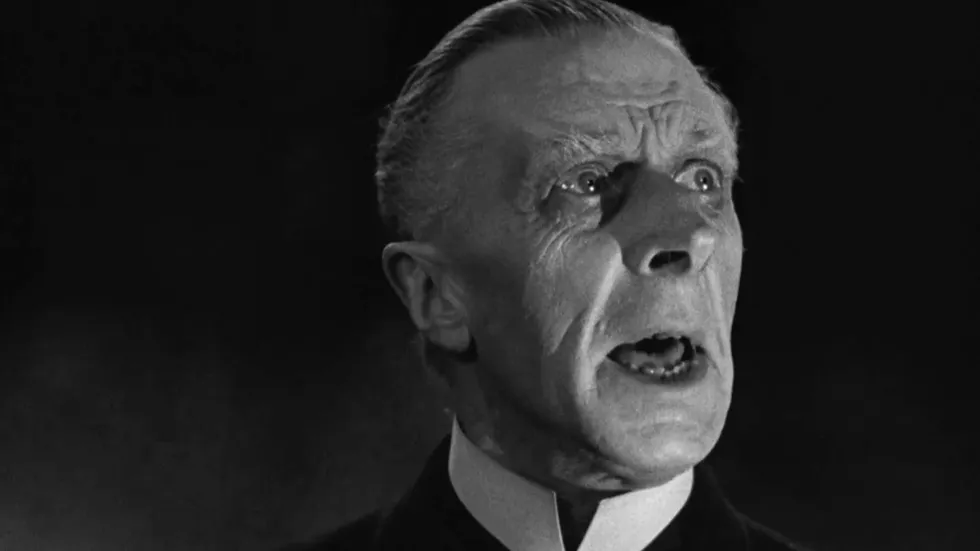
A furious storm traps a married couple and their friend at the country estate of the eccentric Femm family in this horror-comedy by openly gay director James Whale (Frankenstein). The guests may find warmth by the fireplace, but they soon realize the Femm family has secrets locked away upstairs.
As a pre-Code Hollywood production, The Old Dark House wasn’t under the stark censorship of the Hays Code, which began in 1934. Whale could put in queer subtext with a little more freedom, namely in the presence of Ernest Thesiger.
Thesiger’s performance as Horace Femm is gloriously campy, a few years before the actor would bring the flamboyant wickedness of Dr. Pretorius in 1935’s Bride of Frankenstein. There is actress Elspeth Dudgeon going in drag to be the elder Femm patriarch, and credited at the end as “John Dudgeon.” With Boris Karloff’s brooding role in The Old Dark House, it feels like a test run for Whale’s style of creating gay undertones through camp that felt polished in Bride.
2. Alucarda (1977)
“Everybody has to die, but there can be happiness beyond death. ”
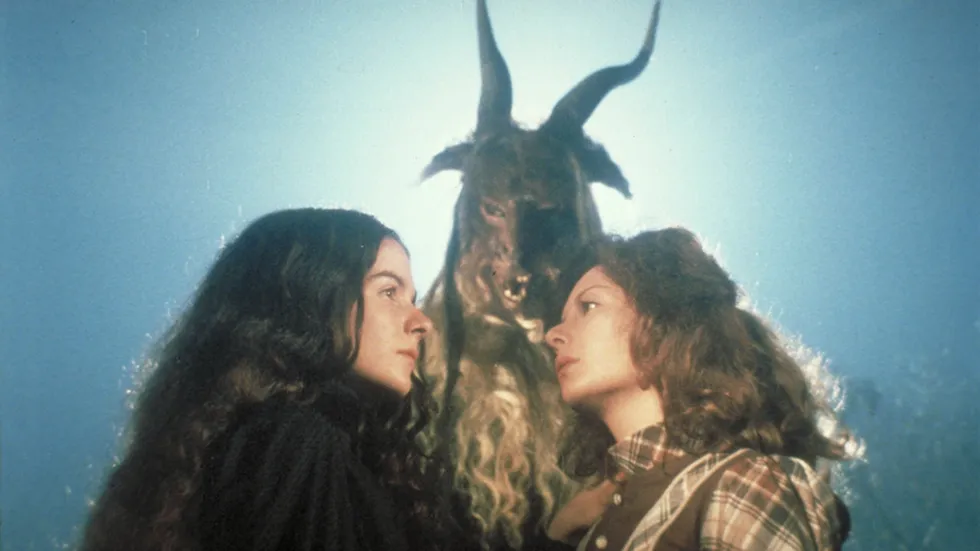
Justine (Susana Kamini) arrives at a cavern-like convent, where the pious nuns wear habits that appear like mummy wrappings, and she gets a roommate, Alucarda (Tina Romero). The two quickly bond.
While Justine is nervous of a crumbling crypt or a strange man who could be the Devil, Alucarda is curious. It’s not a mistake that “Alucarda” is the backwards spelling of “Dracula.” Her name foreshadows the darkness that will ensnarl her and Justine.
 ‘Alucarda’ (1977)Credit: Yuma Films
The first interaction between the girls is one of the many eerie visuals in this Mexican classic. Alucarda appears from behind Justine, like a shadow, before turning around to reveal herself. After the friendship turns into a romance, they get possessed, and the convent wants to save their souls. The possessed girls can act blasphemously, yet the cruel exorcism that is performed can read as a damning critique of religion.
3. The Hunger (1983)
“We’re damned to live forever with no release, no end, and I need you to share it with me.”
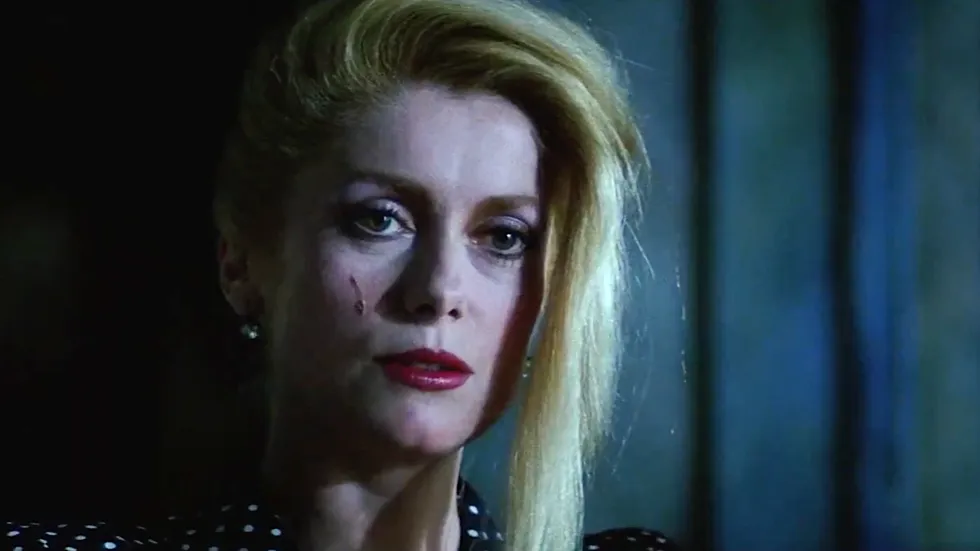
Elegant and feral, this horror film is more arthouse than your traditional vampire flick. The deterioration of a former lover (David Bowie) leaves the immortal bi vampire Miriam (Catherine Deneuve) searching for a new mate, and she sets her sights on Dr. Sarah Roberts (Susan Sarandon).
 ‘The Hunger’ (1983)Credit: Image via MGM/UA Entertainment Co.
Curtains constantly billow in the wind. Cross-cutting establishes the emerging connection between Sarah and Miriam. At a moody nightclub, Peter Murphy, from the gothic rock band Bauhaus, sings “Bela Lugosi’s Dead.” Gone are the vintage depictions of the bloodthirsty monsters. They don’t have fangs in The Hunger; they use blades hidden in their ankh necklace to tear into flesh and feast on the leaking blood.
The Hunger might use vampirism to represent drug addiction, but the year it was released makes it hit even harder as a metaphor for the fears around the AIDS crisis. Especially when Sarah’s arc brings science into the supernatural. She learns there is a non-human blood strain making her sick, deepening the queer horror beyond same sex attraction.
4. A Nightmare on Elm Street 2: Freddy’s Revenge (1985)
 ‘A Nightmare on Elm Street 2: Freddy’s Revenge’ (1985)Credit: New Line Cinema
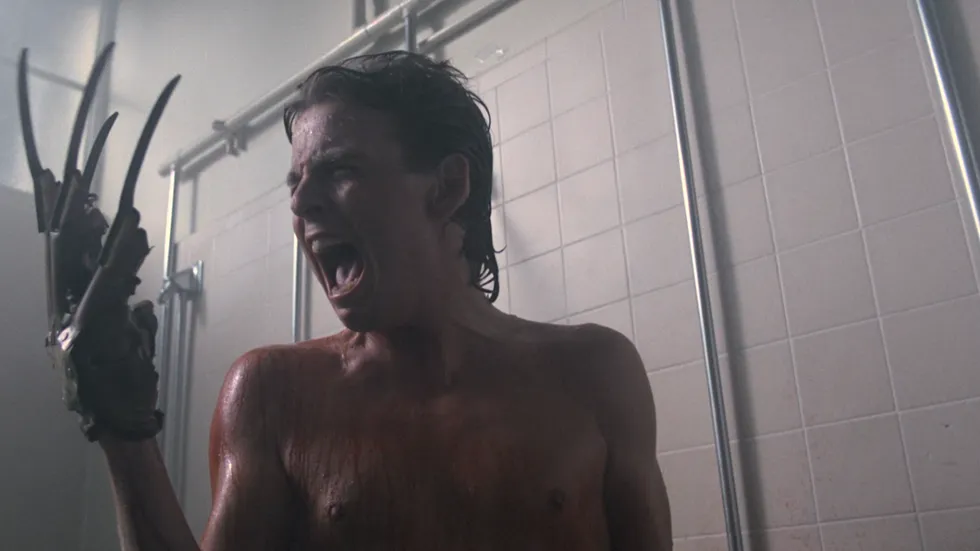
The first sequel to the ANOES franchise was still trying to figure out Freddy Krueger (Robert Englund), and the result was a version of the horror icon that clawed his way into Pride Month.
When Jesse (Mark Patton) starts having nightmares of Freddy, there is a twist. Freddy wants to escape the dreamscape and take over Jesse’s body to enter reality, thus giving this ‘80s slasher a Final Boy who is in danger of becoming the monster.
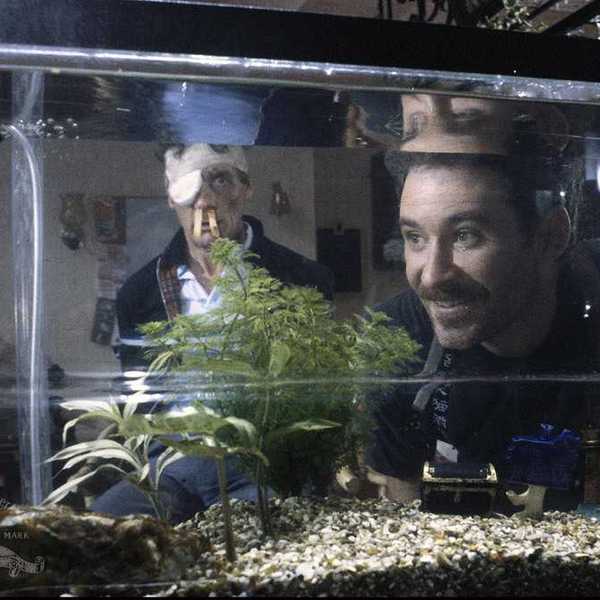
Homoerotic imagery is abundant throughout Freddy’s Revenge, with a gay leather club that Jesse wanders into, and with how sexualized the male characters are. It works as a fun experiment to see a horror franchise lean away from the usual heteronormative dynamics. For a double feature, the 2019 documentary Scream, Queen! My Nightmare on Elm Street looked at Mark Patton’s positive and negative experiences of starring in Freddy’s Revenge.
5. Hellbent (2004)
A silent killer targets a group of young people on Halloween night. You think you’ve seen this movie before? Think again.
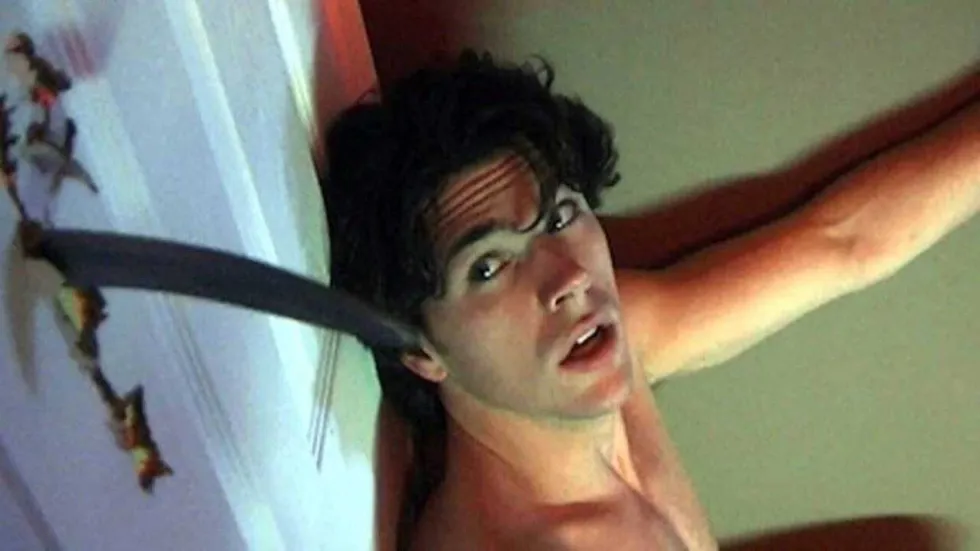 ‘Hellbent’ (2004)Credit: Regent Releasing
Hellbent takes place in West Hollywood, where Eddie (Dylan Fergus) and his friends are stalked by a devil-masked, bare-chested killer with a sickle to behead his victims. Shot on digital video, the grain can make Hellbent look older than 2004, making it feel like you have rediscovered a lost film.
The sexy energy of the West Hollywood Halloween Carnival and the orange, green, and blue lighting scheme bring a festive Summerween vibe that is perfect for Pride Month. Along with the well-done beheading special effects, the queerness of the central young men and the aggressive gay punk rock music, this slasher becomes a distinct offering rather than a retread of the classics.
6. Knife+Heart (2018)
In Paris, 1979, Anne (Vanessa Paradis) is a producer who is passionate about the cheap gay porn she makes, treating it like art. Soon, her cast is targeted by a killer, and the police are useless. Not only does she investigate the killing spree, but Anne also uses it for inspiration for her next porno.
The French neo-giallo, Knife+Heart, is a tribute to the stylish Italian subgenre made famous by filmmakers Mario Bava and Dario Argento. The go-to Giallo formula pulled amateur detectives into a murder mystery, with victims slain in grisly set pieces by a black leather-dressed killer.
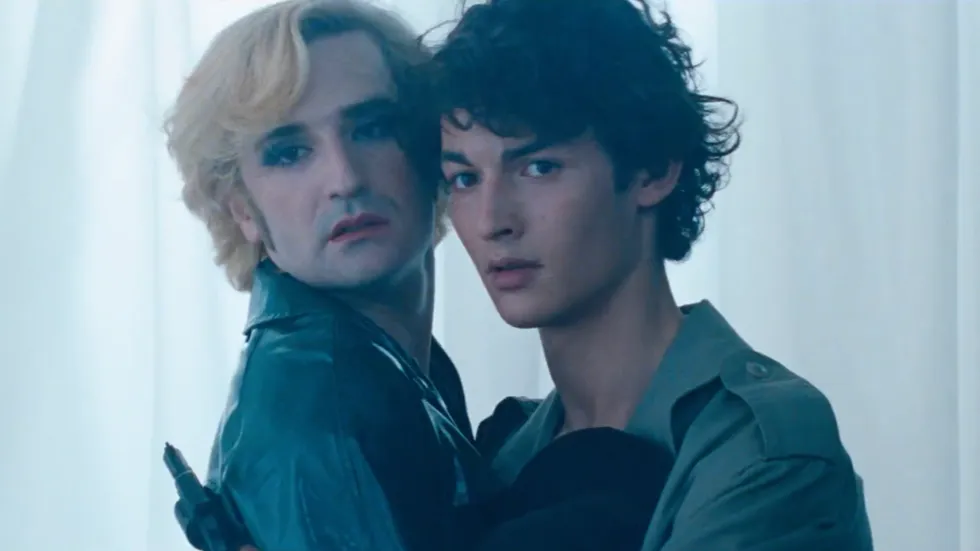 ‘Knife+Heart’ (2018)Credit: Memento Films
Director Yann Gonzalez creates a film that is sleazy, erotic, and even dreamlike thanks to a score by M83. The opening kill sets the tone, where the mysterious killer uses a dildo switchblade on a young man who picked the wrong person to hook up with. An emotional finale sneaks up on you, but there is often a great sense of joy in the acceptance that exists on Anne’s porno sets and the queer clubs that she enters.
7. Titane (2021)
Brace yourself for the body horror and the erotic fixation on automobiles in Titane.
Alexia (Agathe Rousselle) is a car model with homicidal urges. When she was a young girl, an accident left her with a titanium plate in her head. It left her feeling distant from her parents and a sexual attraction to cars. The rest of the film is just as wild and uncomfortable.
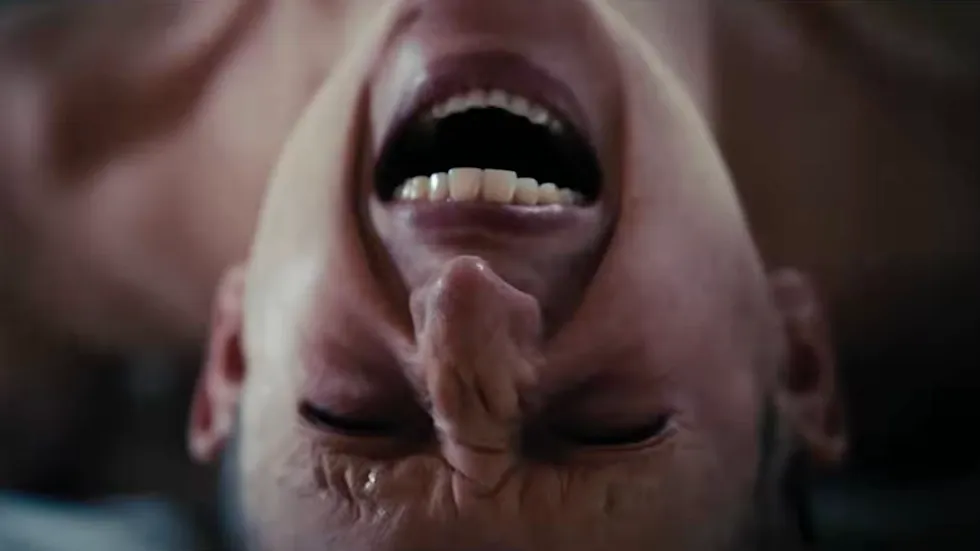 ‘Titane’ (2021)Credit: Diaphana Distribution
It is darkly funny at times — after bashing a victim’s face in with a stool, Alexia sits down on that stool to catch her breath. It is surprisingly bittersweet, as Alexia takes on the identity of a missing boy to escape her crimes, binding her chest to present the gender she’s posing as.
Director Julia Ducournau (Raw) is pushing the New French Extremity further, an already transgressive film movement since the early 2000s. Her second feature, Titane, earned her the Palme d'Or, a prestigious top prize at the Cannes Film Festival. She was the first woman to win it solo, and she did it with a provocative body horror film that breaks away from the norms attached to gender and sexuality.
8. Cuckoo (2024)
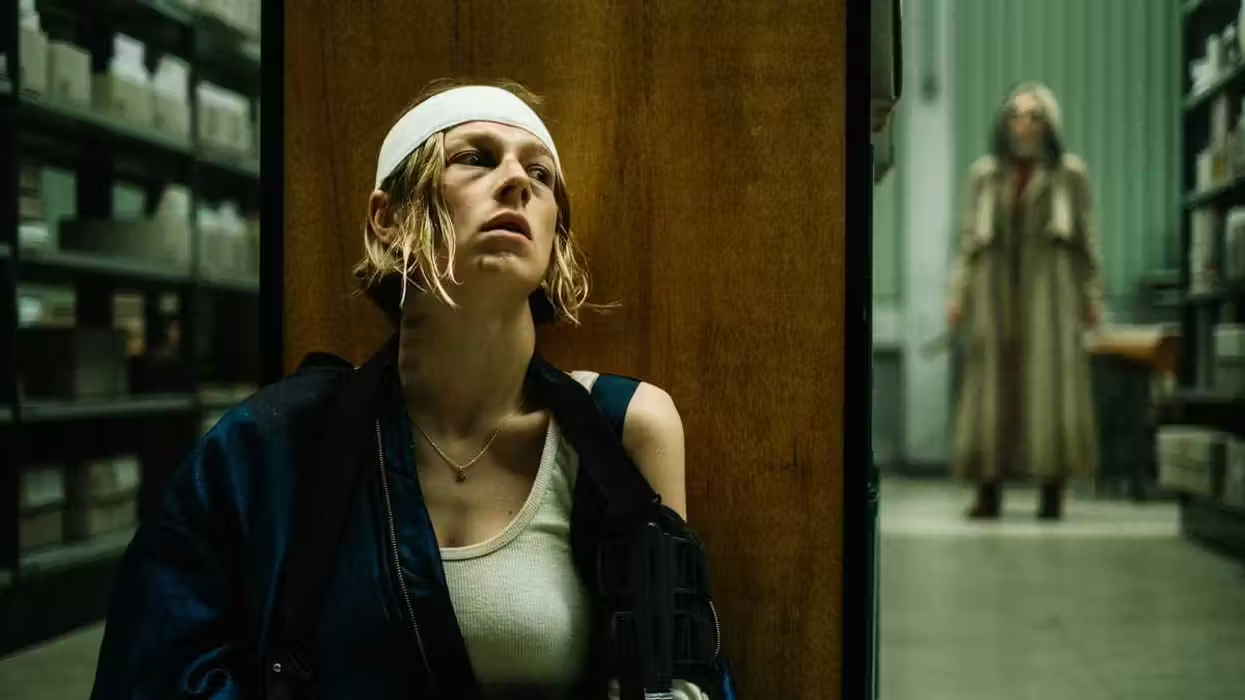
Gretchen (Hunter Schafer) moves with her father, stepmother, and stepsister to a secluded resort in the German Alps. In no time, Gretchen is ready to ditch them when she falls for a young woman who could whisk her away, if not for the unsettling trouble that stops her.
Dan Stevens gives a smarmy performance as the man in charge of the resort, who instantly has Gretchen on alert that he is up to no good. And when a strange woman marks Gretchen as prey, what follows in Cuckoo is director Tilman Singer’s weird story of mad science.
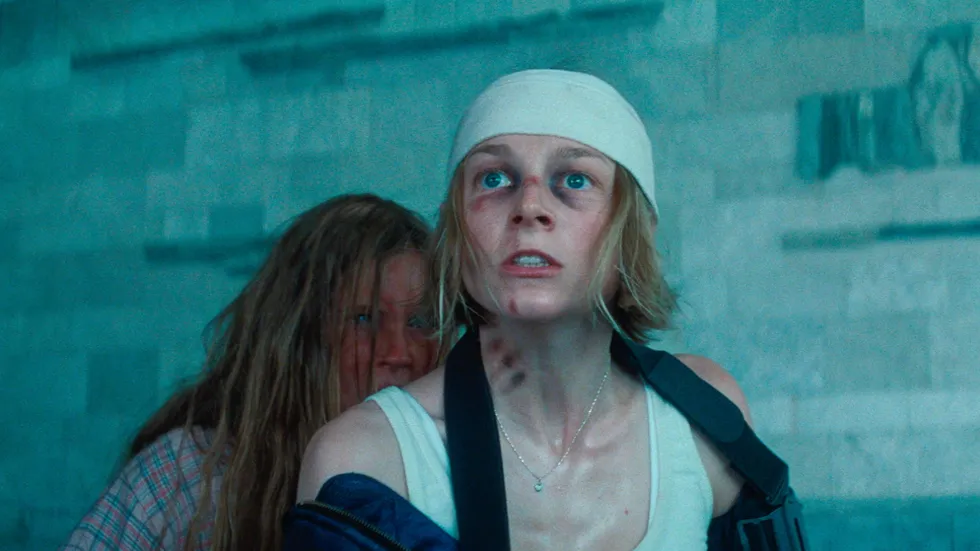 ‘Cuckoo’ (2024)Credit: Neon
Cinematographer Paul Faltz crafts creeping tension with in-camera effects. That includes a nightmarish use of shadows when Gretchen is riding her bike and notices someone is chasing her down. Best of all, Gretchen’s sexuality is simply an aspect of her character, not her entire arc. Rather, she needs to rise up to protect her stepsister.
Coming Out Soon...
Upcoming releases in 2026 will continue to usher in queer horror entries. The Australian film Leviticus is the feature debut of director Adrian Chiarella, about teen boys who are pushed apart when a shapeshifting entity appears as the person they desire.
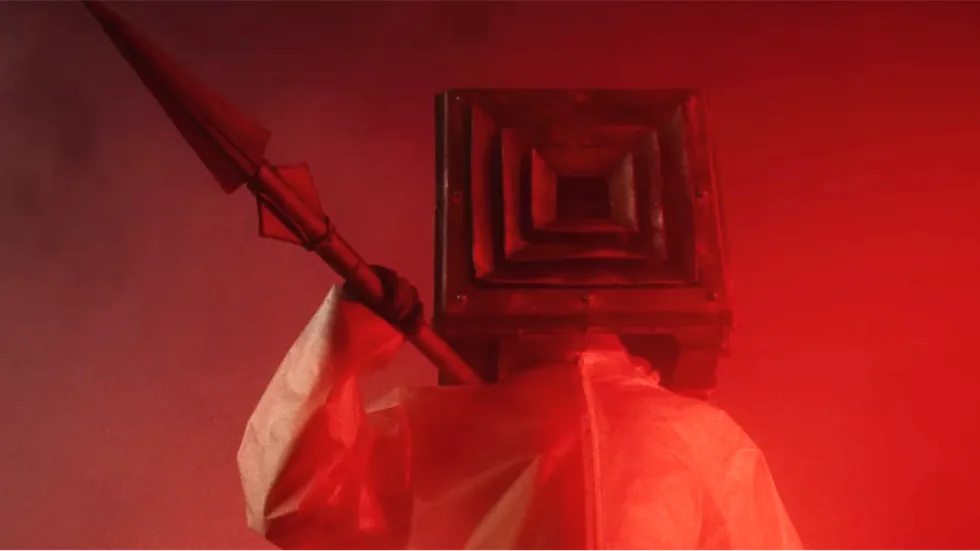 ‘Teenage Sex and Death at Camp Miasma’ (2026)Credit: Mubi
Nonbinary filmmaker Jane Schoenbrun (I Saw the TV Glow) gives their take on a slasher with Teenage Sex and Death at Camp Miasma, which follows a queer director (Hannah Einbinder) preparing to reboot the long-running Camp Miasma franchise with the original final girl (Gillian Anderson). And there is the Canadian horror-drama At the Place of Ghosts from director Bretten Hannam about a pair of Mi'kmaq siblings who must reckon with their past as they face a dangerous spirit in the wilderness.