Filmmaker William Friedkin was one of the most daring directors of his time. Both a madman behind the camera, and one of the funniest smack talkers in front of it, his films were sure to challenge both him while he was making them, and the audience while they were watching them.
Let’s take a look at the five best movies that William Friedkin graced us with throughout his career.
‘Cruising’
‘Cruising’
Credit: United Artists
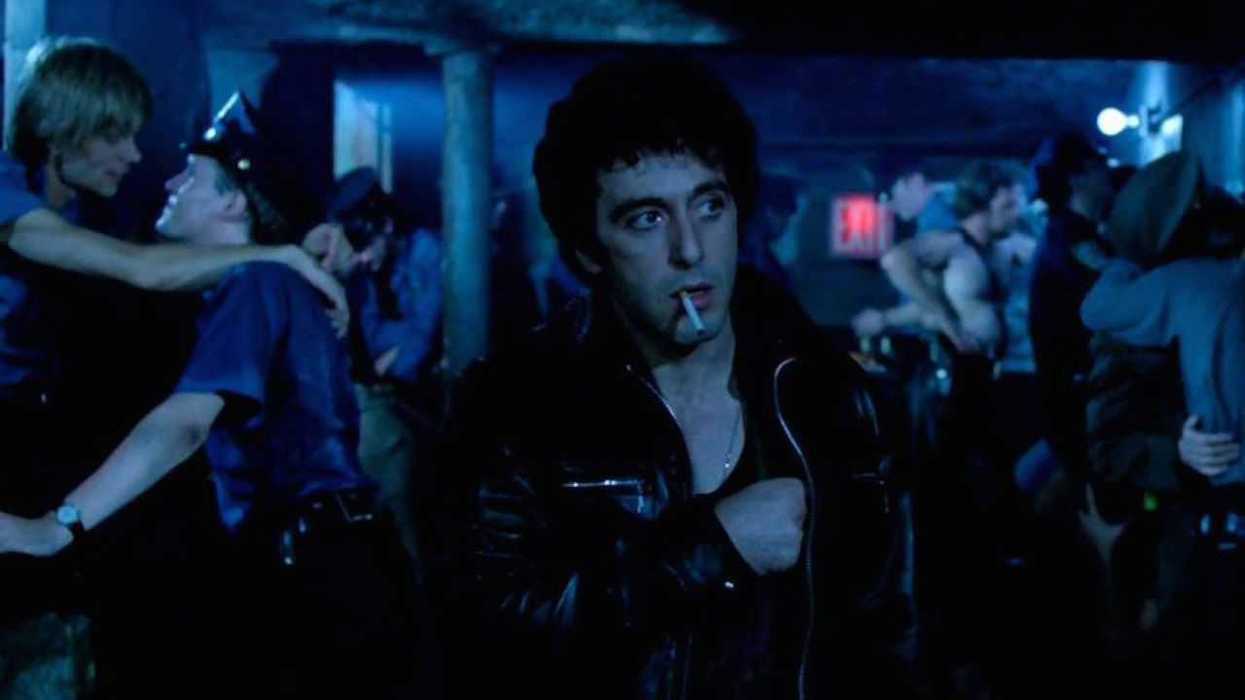
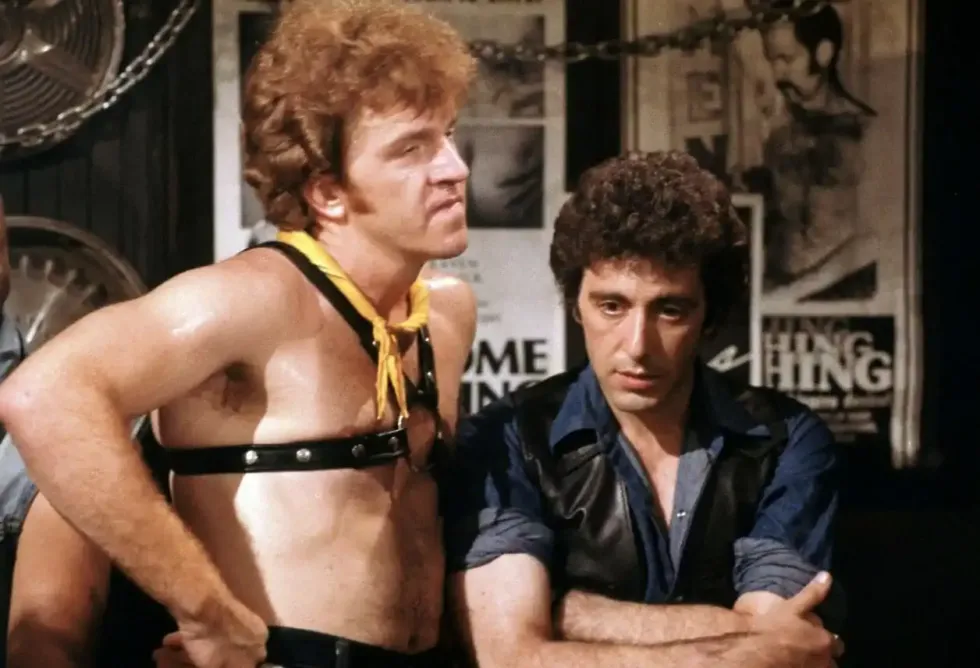
Like the vast majority of Friedkin’s works, Cruising was not well received at all when it came out. Al Pacino, who starred in the film, even called it exploitative. LGBTQ activists at the time thought that it negatively stigmatized them and their community, and critics in general were lukewarm to cold on the project.
However, like the majority of Friedkin’s works, the film has aged more than gracefully over time, and has developed much critical re-appraisal and a loyal cult following. The film boasts incredibly strong visuals, and despite Friedkin’s retrospective wish that Pacino’s part was actually played by Richard Gere, Pacino still makes good use of the material he was presented with…even if he didn’t care for it too much.
‘To Live and Die in L.A.’
'To Live and Die in L.A.'
Credit: MGM
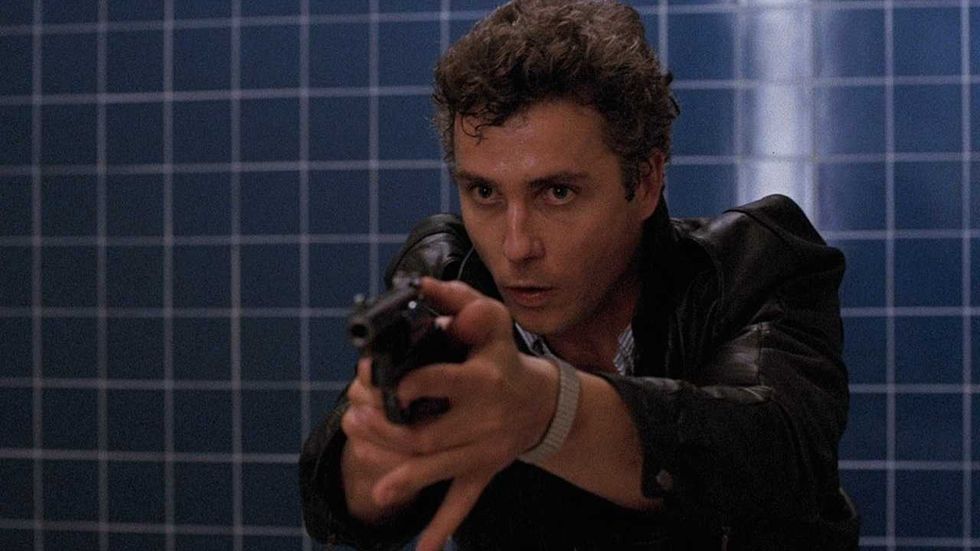
This is one of the only times when you can actually say that a Friedkin movie had an overall positive response immediately upon release. The reactions weren’t universal acclaim or anything, but when you look at his other films that are classics today, To Live and Die in L.A. is one of only a couple that seems to have gotten the right response the first time.
Friedkin loves himself a good car chase because To Live and Die in L.A. has one of the best ones of all time, right alongside the car chase in another one of his movies that we’re going to be talking about here very soon. The music video for the same titled song was also directed by Friedkin, fun fact. It’s also, to no one’s surprise, pretty awesome as well.
‘The French Connection’
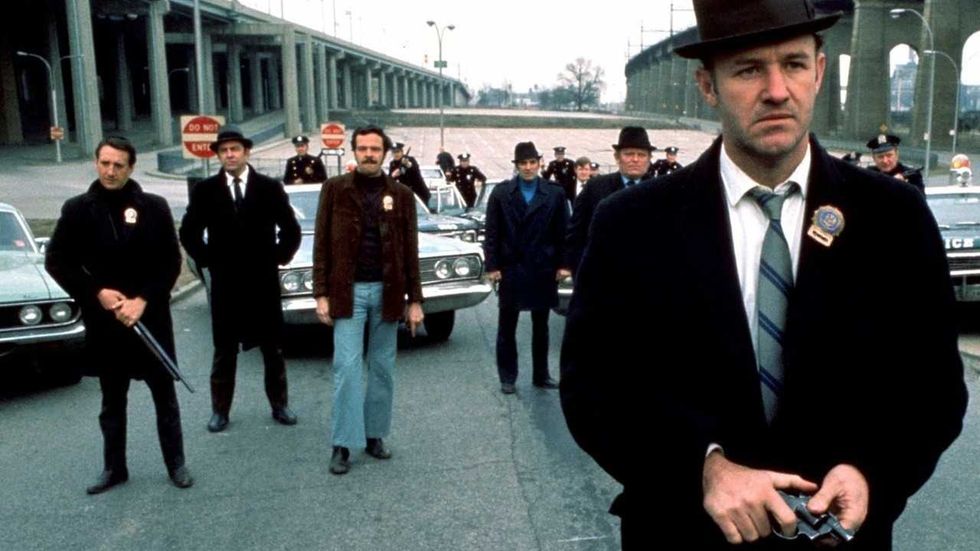
'The French Connection'
Credit: 20th Century StudiosThank god Friedkin got proper flowers for this movie because I would feel so horrible today if I were someone who dogged this movie when it was released.
Friedkin’s Best Picture-winning crime film starring Gene Hackman is one of the most influential films of the 1970s. Offering a largely fresh, new cynical look at obsession and grit in the police world, and the line blurring of savior and perpetrator in the eyes of the law. It’s an utterly sensational film not only for its time, but also for its ability to stand the test of time as well. Also, as I alluded to earlier, the car chase in To Live and Die in L.A. is only second to the one in this film. Something about having a crazy inner-city car chase is a recipe for immediate critical success with Friedkin.
‘The Exorcist’
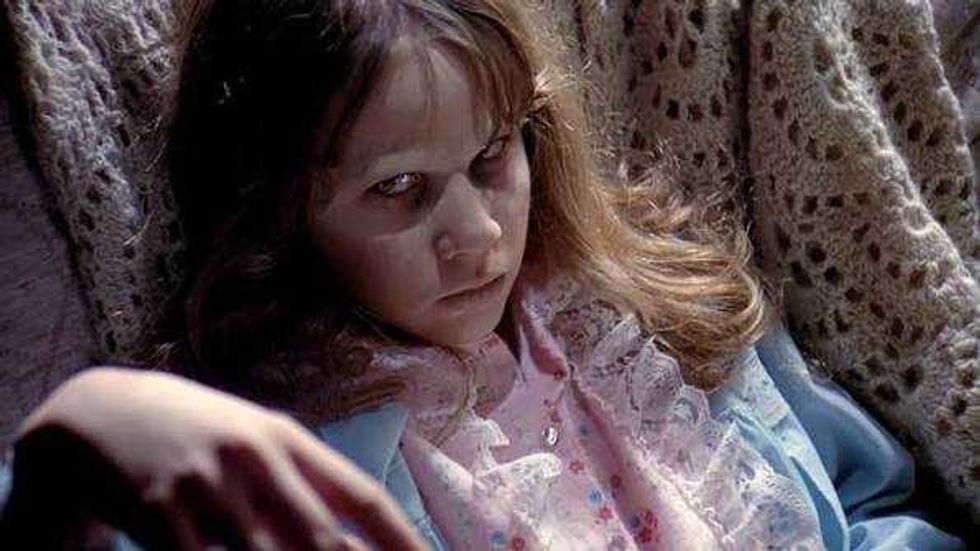
'The Exorcist'
Credit: Warner Bros. Pictures
Often dubbed the scariest movie of all time, The Exorcist is as much about familial fragility as it is about a creepy girl who pukes green slime everywhere. Almost everyone is surprised the first time they watch the film by just how long it takes for the evil demon to start wreaking havoc on the young girl.
The film is uncharacteristically long for a horror film at just over two hours, going over 130 minutes with the director’s cut, and what it fills a lot of that time with isn’t what you would anticipate from the scariest movie of all time at all. Characters reckon with their broken relationships with each other, their faith in a higher power, and the everyday struggles of the world around them. It’s an utterly fascinating film that moves you just as much as it scares you. It’s as wonderful today as it was in 1973.
‘Sorcerer’
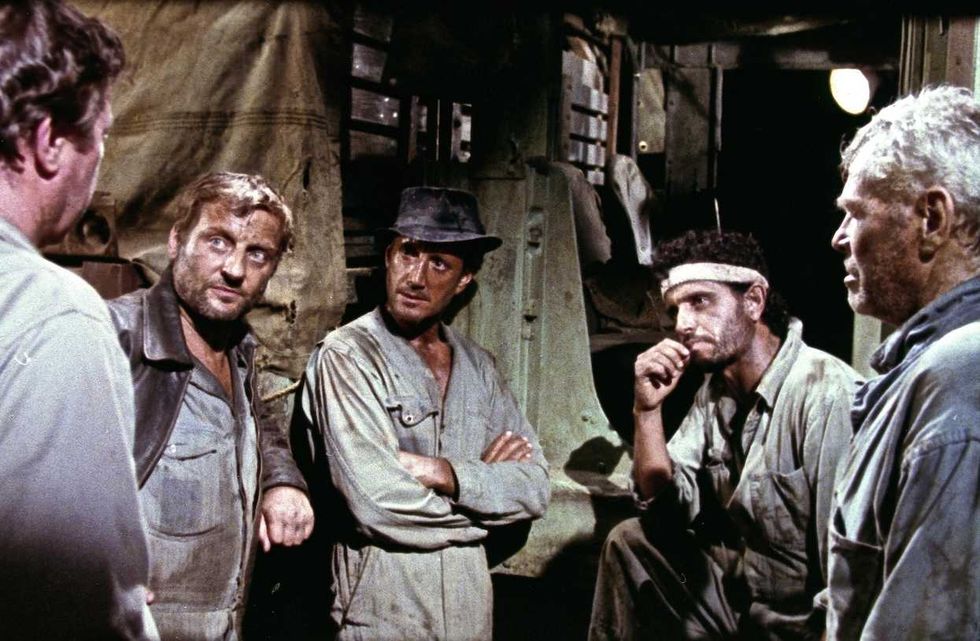
‘Sorcerer’
Credit: Universal Pictures
I am an absolute ride or die for Sorcerer. An American remake of The Wages of Fear, the film was absolutely panned by critics and audiences when it first released. Released at the same time as the original Star Wars, and also arguably too soon after The Wages of Fear, the film was underseen and undervalued.
Thank God it’s gotten more of a cult following in recent years because it has some of the most miraculous suspense sequences ever put to screen. The way the characters and the camera interact with nature in the film is nothing short of jaw-dropping, and the score by Tangerine Dream is totally to die for. Once you hear that iconic theme song playing over the utterly haunting final scene, it will never leave your mind again. It’s totally spellbinding stuff.