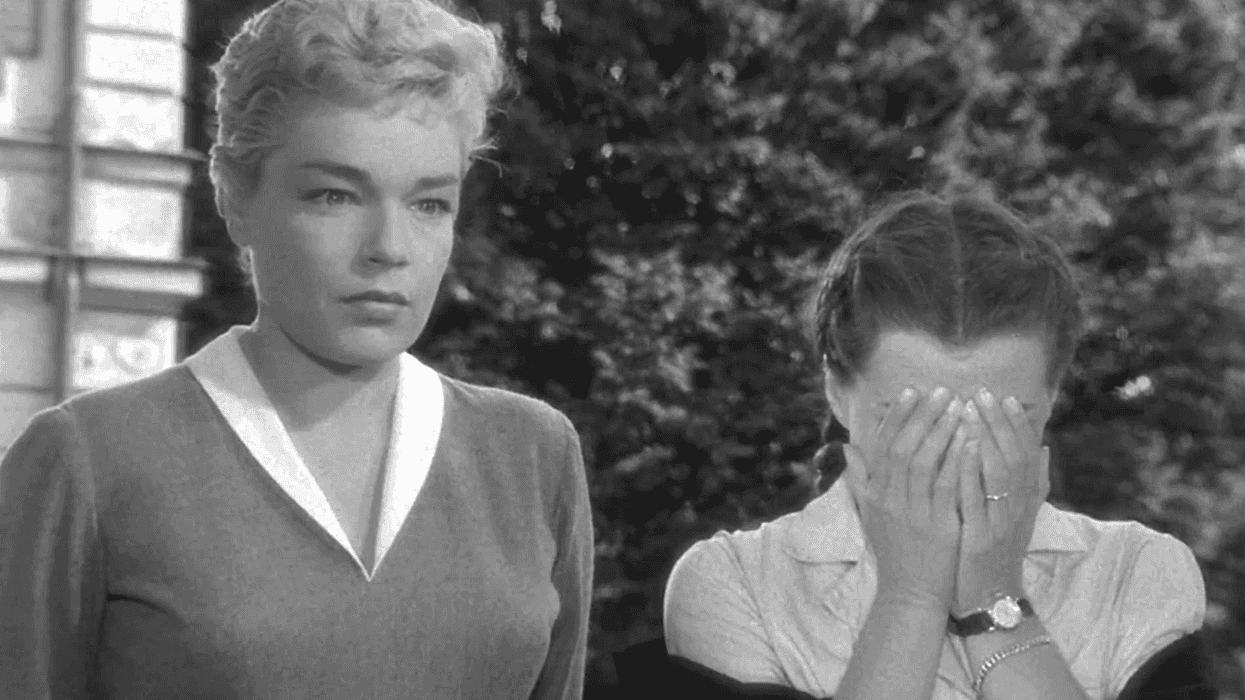
Here is a quick multiple-choice question: What is the name of the black-and-white psychological horror film by a master of suspense that left audiences rattled? Is it (A) Psycho, (B) Les Diaboliques, or (C) both?
If you went with “both,” you are correct. Director Alfred Hitchcock made Psycho (1960), but Norman Bates (Anthony Perkins) wasn’t the only killer who left a crime scene in the bathroom.
Five years earlier, director Henri-Georges Clouzot had made Les Diaboliques (1955), and these movies left audiences trembling from a central crime, the tense aftermath as it was covered up, until a last-minute twist shocked everyone once more. Spoilers will be incoming.
While Psycho became a horror film that is talked about and seen as influential to this day, Les Diaboliques can be overlooked in comparison, even though a possible creative rivalry with Clouzot could be what pushed Hitchcock into making Psycho.
Let’s get into it.
Two Women Plot the Perfect Murder
 'Les Diaboliques' Credit: Cinédis
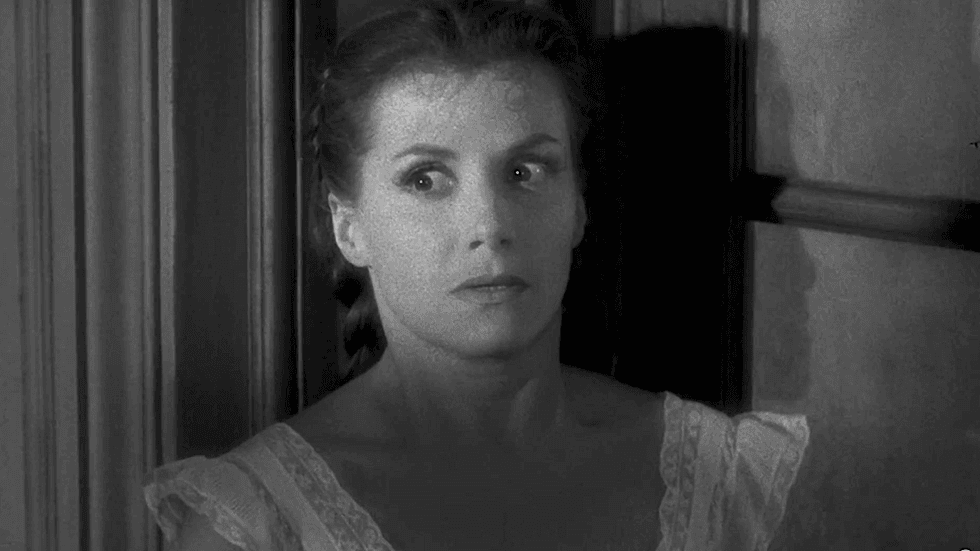
Les Diaboliques takes place at a boarding school in Paris, where the school’s owner and teacher Christina (Véra Clouzot) is married to the abusive headmaster Michel (Paul Meurisse). Not only does he torment his wife and the students, but he abuses his mistress Nicole (Simone Signoret), another teacher at the school. To free themselves from Michel, Nicole pulls Christina into a plan to kill him.
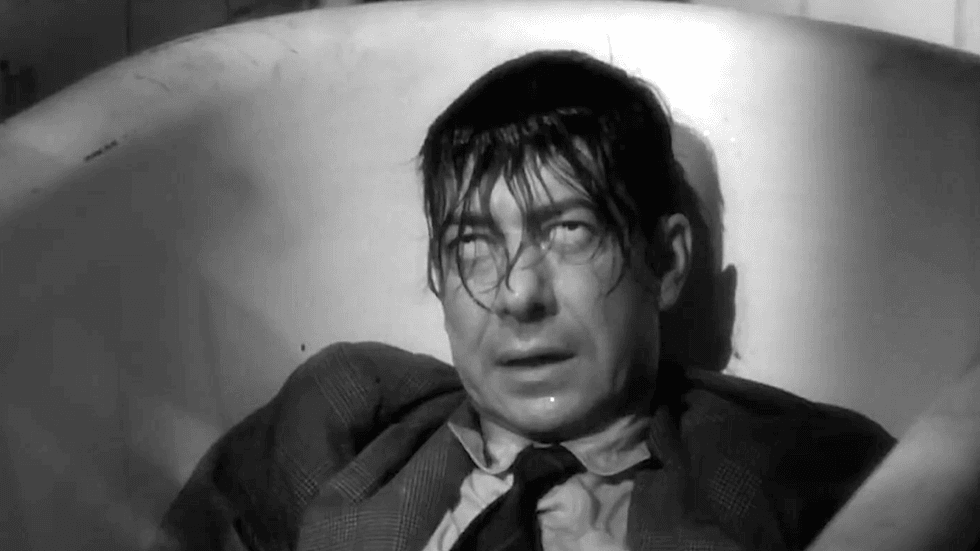
The women drug him, drown him in a bathtub, and dump his body in the pool outside the boarding school — but then his body goes missing. The increasing paranoia worsens Christina’s fragile health as she fears Michel is returning from the dead. In the final minutes, she is the one to discover Michel’s body in a bathtub at the school, and dies from a heart attack when he stands up.
The perfect murder that was planned wasn’t for Michel; it was between Michel and Nicole to get rid of Christina. However, their victory is short-lived. Bravo’s 100 Scariest Movie Moments placed Les Diaboliques as #49 in its countdown due to the finale where Michel frightens his wife to death. Featured in the segment is film critic Maitland McDonagh, who describes the film as having “out Hitchcocked Hitchcock.”
The affiliation between the directors goes beyond this comment, as critics tried to form a rivalry between Alfred Hitchcock and Henri-Georges Clouzot.
Masters of Suspense
 'Les Diaboliques' Credit: Cinédis
Haunted by Vertigo: Hitchcock’s Masterpiece Then and Now, edited by Sidney Gottlieb and Donal Martin, is a book of essays with its fourth chapter by Professor Charles Barr, who got into how film critics seemingly wanted to instigate a rivalry between them.
After making The Wages of Fear (1953), Clouzot became recognized for white-knuckle thrillers, which continued with his next feature, Les Diaboliques. A quote from The Times described Clouzot as a filmmaker who “—not only shares all Mr. Hitchcock’s interest in ingenious twists and turns of narrative, but his imagination reaches out beyond them.”
Barr’s chapter then goes into the claim that Hitchcock lost to Clouzot in getting the rights for the 1952 book that Les Diaboliques was based on, written by Pierre Boileau and Thomas Narcejac. Hitchcock would later get the rights to Boileau and Narcejac’s 1954 novel that Vertigo (1958) was based on, but if there is a film he did that outdoes what Clouzot did, it has to be Psycho.
Barr wrote about the people who knew Hitchcock, who talked about how much he loved Les Diaboliques, with Anthony Perkins sharing that he thought, “it was one of the reasons he made Psycho in black and white.”
Both directors bring the crime thriller into psychological horror, with Hitchcock going further with the twists.
Scaring Audiences
 'Psycho' Credit: Paramount Pictures
The unsettling atmosphere of Les Diaboliques comes from the black-and-white cinematography and the mystery over whether the film will really go into supernatural territory in explaining why Michel’s body disappeared.
The crime that viewers think was committed by Nicole and Christina also veers into horror territory: seeing Michel being submerged in the bathtub, followed by his supposed corpse the next day with his eyes rolled back.
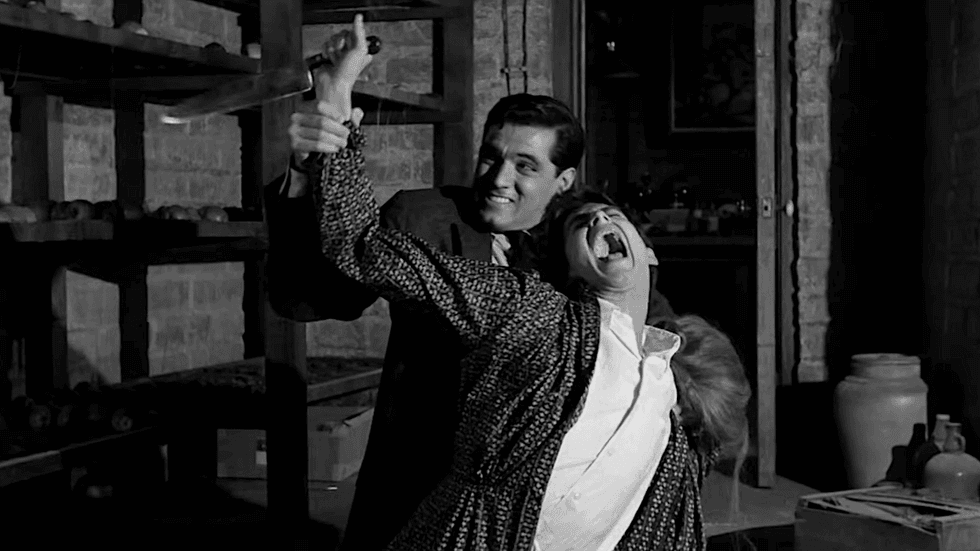
In Psycho, a barely clothed Marion (Janet Leigh) at the start of the movie establishes that things are going to be provocative. This reaches one crescendo with the infinitely praised and just as infinitely dissected shower scene, where viewers are left off-balance by the killing of Marion. The main character is gone, and the protagonist status is switched to Norman Bates, who covers up the murder, believing his mother did it.
The camera work and performances are masterful in building suspense, and additional credit should go to the score by composer Bernard Herrmann. Les Diaboliques doesn’t wield its score by composer Georges Van Parys in the same way; the movie is very quiet.
And then Psycho reaches the ending that again leaves audiences at the time (and maybe certain newbies today) shocked by having Norman be the killer the whole time, while cross-dressing as his dead mother, the same dead mother whose corpse he propped in a chair nearby.
In my opinion, the visuals and set pieces in Psycho surpass Clouzot’s film for Hitchcock's balancing act he puts on-screen of classy filmmaking and sordid subject matter. Whether one is scarier or whether one is more influential, well, that doesn’t matter because if there was a genuine creative rivalry between the directors, they helped each other make excellent films that pointed the genre in a direction that gave us modern horror.
Have you seen Les Diaboliques?