As we prepare for another huge opening from the Hunger Games saga, I want you to harken back to 2012, when Suzanne Collins' books hit the big screen for the first time.
These were movies that made Jennifer Lawrence a star and that sort of kicked off a YA phenomenon of imitators, all of which died while this series thrived.
Roughly fifteen years later, we're still getting movies with big ideas, modern culture housed in fantasy, and the biggest stars of today.
There's probably a great lesson in longevity inside all of that, but I wanted to go even more granular. Today, I want to suss out some screenwriting lessons that I think are essential and that The Hunger Games franchise delivers expertly.
Let's dive in.
- YouTubewww.youtube.com
1. Ground Your Worldbuilding in Character Action, Not Exposition
How do you meet your characters and what does that tell you about them? In the first movie, we meet a young girl hunting for food to feed her family, with a guy she might have a crush on.
None of that is told to us; it's all shown through subtle body language and action.
That's perfect worldbuilding.
I think a small miracle from the first trilogy is that it builds a world without having to do an aggressive info dump to start. And this kind of explanation of exposition is handled very gracefully. We gradually understand the world and stakes as we go.
So let your lesson be not to tell the audience how your world works; show your protagonist navigating its rules and what confines it.
Cut the lore that doesn't impact the story. If you need to expand the world and who runs it and how, save it for the sequels. They allow even more building out, and we keep getting them.
2. Create "No-Win" Dilemmas That Force Active Choices
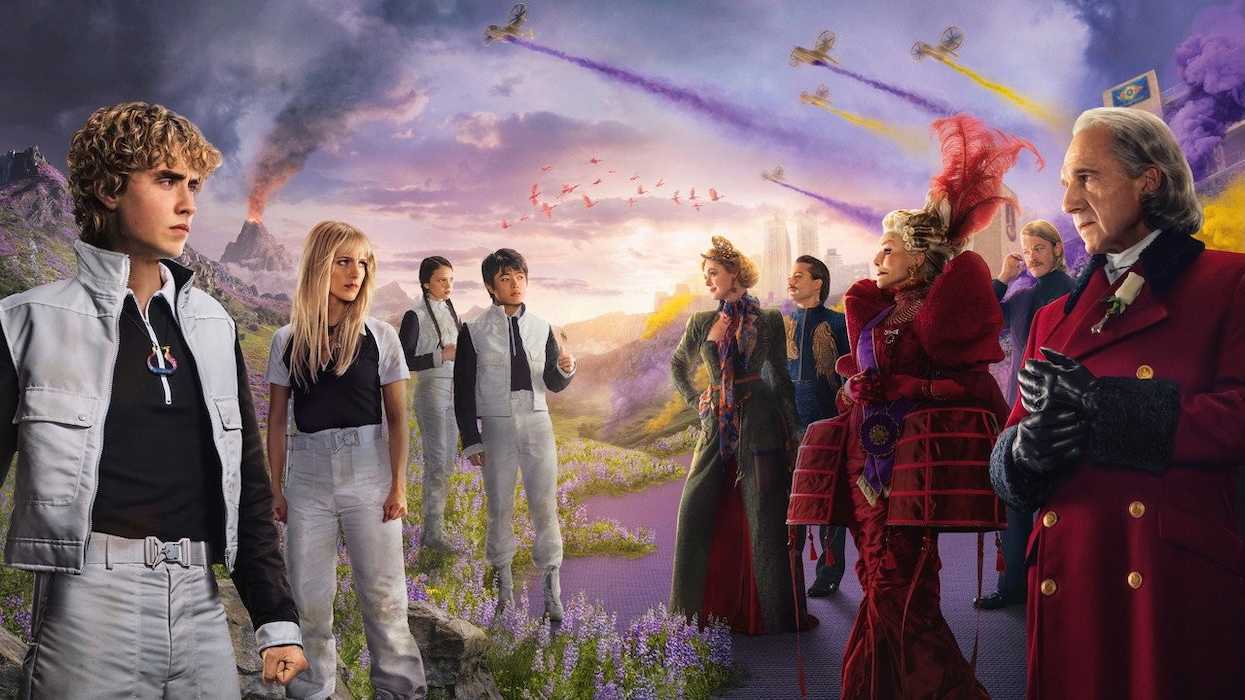
Every single one of these movies relies heavily on these principles. Even the last one, The Ballad of Songbirds and Snakes, knew that you could not have an easy flashback when you're doing the origin story of its villain.
You have to put people in situations where they have to make horrible choices.
Nothing about these movies is passive. You have active people trying to achieve active goals, and that gets them into pickles.
What keeps Katniss compelling across the films, and keeps us into the Snow story in the prequels, is that these people get trapped between two terrible options, forcing them to make active, defining choices.
Now, they could be choices like choosing Peeta to make sure a life is saved. Or having the game kill someone else to ensure your love interest can escape.
Even at the start, Katniss volunteers; she's choosing to sacrifice her life for her sister.
These are horrific choices that build the world, but also show us the inner thoughts and abilities of the characters.
Then later, when we see these characters rebel and refuse to play the Capitol's game, or play the Capitol's games to squash rebellion, we know we're seeing them make choices they think are right because they're in situations where there seems to be no win whatsoever.
So, when you're writing a new character, put them in corners where every exit has a cost. And then see what they're willing to pay.
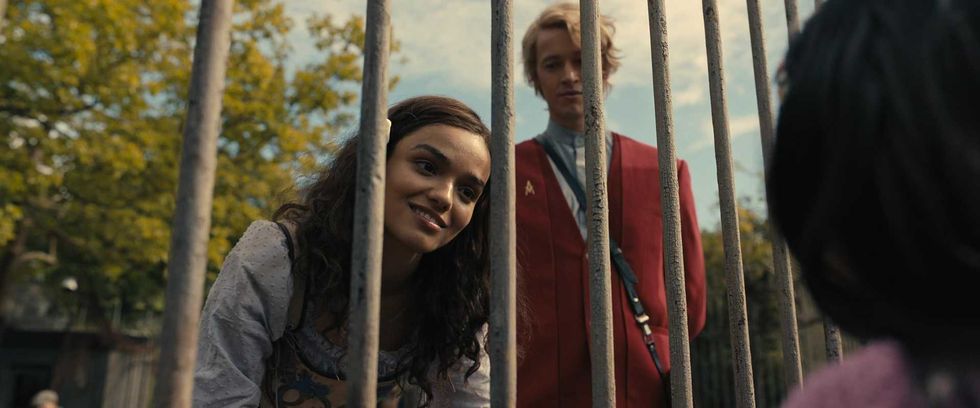 'The Hunger Games: the Ballad of Songbird and Snakes' Credit: Lionsgate
3. Let Subtext Carry the Emotional Weight
I said this right in the first lessons, but we will expand upon it here. These movies do a really good job with subtext. Because they're not beating you over the head with lessons or exposition, they have lasted this long, and we'll get more of them in the future.
Just from the start, let's look at the dynamic between Katniss and Peeta.
On the surface, they are playing out the "star-crossed lovers" trope to earn sponsor gifts and stay alive in the game. They both call it an act. But the deeper they get into the act, the more they start telling the truth. Then we sort of get wrapped up in the idea of them actually being in love with one another.
And yet...the look on Katniss's face shows us that she's still strategizing, while he might be wrapped up in it way more.
Never said aloud, clear as day to the audience.
The same goes for Katniss and President Snow.
It's funny to look at their journey over the course of a few movies, but it starts as disdain and eventually moves into an understanding of what each person means ot their people.
Katniss represents uprising; one Snow tells her it will cost a lot of lives. Snow represents repression, but one Katniss knows has made life for many very good.
Their scenes together revolve around polite menace. Neither character raises their voice, yet every line about roses, family, and "convincing" the districts carries the weight of life and death for each of their factions.
So, give your characters a reason to wear a mask, and let the audience read the truth in their eyes and actions.
Summing It All Up
The Hunger Games keeps making movies because people keep connecting with them. And they also make good ones! They have huge stakes grounded in character choices, which makes even the wildest dystopian world feel real. What’s your favorite screenwriting moment from the series? Let us know in the comments!