How Costume Designer Mynka Draper Captured Early-'90s LA Hip-Hop for FX’s 'The Drop: A Snowfall Saga'
The veteran designer breaks down tracking down rare archival pieces from Karl Kani and Cross Colours, dressing Wanda’s rise in the music business, and her best advice for breaking into the industry.
'The Drop: A Snowfall Saga'
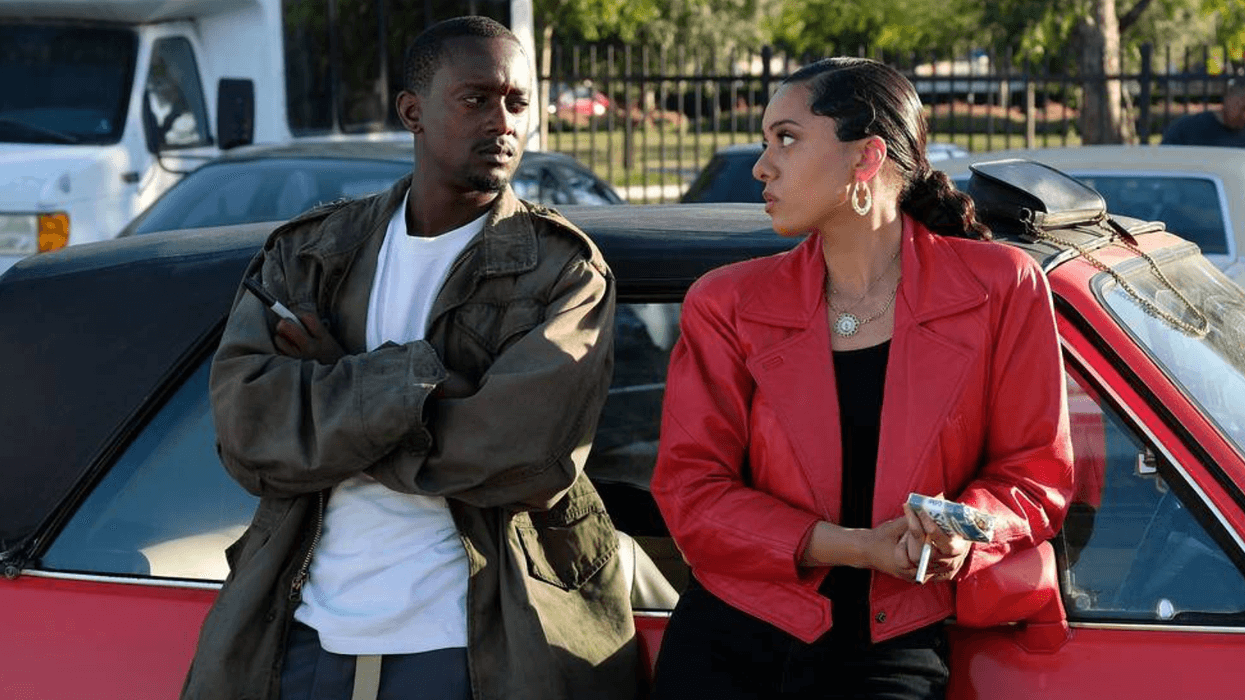
FX’s The Drop: A Snowfall Saga shifts the focus from the crack epidemic of the 1980s to the early-1990s West Coast hip-hop gold rush. This was a time when clothing popped, and people wore what was on the outside to reflect who they felt like on the inside.
That presents a challenge for anyone making a TV show about this period, because a lot goes into the clothes.
Enter veteran costume designer Mynka Draper. She's a native Angeleno who lived through the 1990s in LA and made this project a love letter to her city.
We spoke with Draper about tracking down rare period pieces, dressing Wanda’s character transformation, and her advice for aspiring costume designers breaking into the industry.
Let's dive in.
- YouTubewww.youtube.com
NFS: “The Drop: A Snowfall Saga” transports us to an early-90s vision of Los Angeles, where West Coast hip-hop is beginning to reshape the cultural landscape. How did you approach recreating the fashion of this particular moment in time, and what research went into ensuring the costumes authentically reflected the style of the era?
Mynka Draper: The Drop: A Snowfall Saga is set in early 1990s Los Angeles, during the beginning of the West Coast rap gold rush. We began the process of creating the costumes for The Drop with an extensive dive into the culture, neighborhoods, and people we are representing on screen.
Our research took us in many different directions. We studied films and television shows from the era, coffee table books, vinyl records, and personal photographs from people who lived through that time.
We also explored the internet and social media, including Instagram, to uncover the details that would help bring this world to life. We were fortunate to have incredible access to the consultants on The Drop, many of whom had lived that lifestyle and could offer firsthand knowledge, guidance, and perspective. Their insight was invaluable in helping us understand not just how people dressed, but the culture, individuality, and spirit of each neighborhood.
Our goal was always to remain authentic to the time and place, creating a world that people who lived in Los Angeles during that era could recognize as their own. As a native Angeleno who experienced the 1990s firsthand, this project was especially personal to me. I wanted to create a love letter to our city and its people—a tribute to the culture, the neighborhoods, and the individuals who helped shape that moment in LA history. I am fortunate to have an amazing team beside me, whose talent, dedication, and creativity bring this world together.
Together, we are telling a story through clothing, jewelry, details, and visual storytelling that honors the people and the city that inspire us all.
NFS: How did you use costume design to communicate Wanda's growing confidence and ambition throughout the series? Was there a particular look that marked a turning point for her?
MD: Wanda's journey began in Snowfall, where we watch her transform from a young, innocent girl into someone struggling with crack addiction, eventually finding her way to sobriety and a new life alongside Leon, another character from the series.
In The Drop, we meet Wanda at a new crossroads as she tries to find her place in the music business. She has no experience, very little money, and a lot to prove.
When she attends her first record industry meeting, her idea of dressing for success is more in line with sexy clubwear than the polished image of a music executive. As Wanda becomes more exposed to the record business and begins to earn money, we see her confidence grow, and her wardrobe starts to reflect her changing circumstances and ambitions. We introduce power leathers and what I like to call Queen Energy suiting, allowing her costume to become an extension of her newfound confidence and independence.
One of my favorite looks of the season is a two-piece purple leather ensemble, featuring a matching leather jacket and dress by North Beach Leather. It captures the boldness, glamour, and attitude that make Wanda's evolution so exciting to costume design.
NFS: How did you decide which designers, labels, and cultural references belonged in this world? Were there any pieces you were particularly excited to track down?
MD: When deciding which labels to incorporate into The Drop, we started with extensive research into the brands and designers people would have been in Los Angeles in the early 1990s.From there, we took a more granular approach, looking at the specific neighborhoods and communities represented in the show and identifying the labels and styles that would have been authentic to each of them.
We were fortunate to work with some incredible sources and collaborators along the way. Greenspans, renowned for outfitting street culture since the 1980s, helped us capture the classic Los Angeles gang and streetwear looks. We also worked with Lade Tut from DieFrsh, a vintage sportswear and streetwear source whose knowledge of the period is encyclopedic. He knows not only the brands but exactly what year, and even what time of year, certain pieces would have been available.
Through DieFrsh, we found everything from Pelle Pelle, sports jerseys, Coogi sweaters, Starter jackets, Nike everything, pristine Dior and Sergio Tacchini tracksuits, and countless other treasures. We connected with Flaucy Luxury Streetwear, who recreated swap-meet-style logoT-shirts that could be approved by the studio, allowing us to represent just how important that particular style of fashion was to South Los Angeles neighborhoods. TJ Walker of Cross Colours and Karl Kani, both still successful designers, generously opened their showrooms and incredible archives of early 1990s pieces to us.
Their contributions brought another level of fashion history to our costumes.
The list of wonderful sources and collaborators goes on, but these are some of my favorites. I have always believed in building relationships with vendors, designers, and makers who have a genuine passion for their brands and the communities they represent.
That kind of collaboration is one of my favorite parts of costume design because it brings knowledge, history, and authenticity to the work in a way that simply cannot be replicated.
NFS: How did you and your team approach sourcing authentic pieces from the early 1990s? What was the most challenging or rewarding discovery along the way?
MD: My team and I approach sourcing authentic pieces with one mantra: dig deeper. Once we have completed our research, the real hunt begins.
We hit the streets, exploring costume houses, vintage dealers local and online, swap meets, surplus stores, downtown shops, fabric stores, and just about every other place where we might uncover something special.
We also work with African boutiques and retailers to find pieces that can help us recreate the look and feel of the period.
Sometimes we build, sometimes we buy, sometimes we borrow. I always start by looking at our local LA vendors and small businesses first. Supporting these independent sources is important to me.
They are often the keepers of incredible treasures, knowledge, and a general vibe; I want to do my part to keep them in business. So much of what makes our work authentic comes from these relationships and from knowing where to look.
You never know what you might find when you're willing to dig a little deeper.
NFS: Having worked on “Snowfall,” you already had an established visual language for many of these characters. How did you distinguish between the characters' past lives and the new identities they are trying to create in this series?
MD: I consider myself incredibly fortunate to have costume designed both Snowfall and The Drop, allowing me to tell the story of these characters and show their evolution in Los Angeles from one series to the next.
I believe costume design is visual storytelling, and I approach every script looking for clues that help me visually communicate a character's development, circumstances, and place in the world. With Snowfall, we were telling the story of the crack epidemic and how it affected the neighborhoods, families, and people caught up in it.
With The Drop, we shift our focus to the rap game and the music industry, exploring what people are willing to do to get in, get noticed, and make it to the top, as well as how the record business can take advantage of those ambitions. Our challenge was to show how these characters were evolving in this new world while remaining rooted in South Los Angeles, surrounded by family life, gang violence, police presence, and spirituality.
We wanted their costumes to reflect both the early 1990s and their individual journeys through the music business. One of the most visible ways people could express their success, status, and power was through fashion—the ability to shop, wear designer labels, and purchase expensive clothing and accessories. As their circumstances changed, their wardrobes changed with them. My goal was to capture that progression in a way that felt authentic, fresh, and true to the characters, their communities, and the time.
NFS: You've built a career spanning projects such as Snowfall, Better Things, and now The Drop. For aspiring costume designers and filmmakers who want to work in film and television, what practical advice would you offer about building a portfolio and getting that first opportunity?
MD: After 33 years as a working costume designer, my advice to anyone entering a creative field is to combine faith in yourself, your talent, and your creativity with a whole lot of hustle. Faith without works is dead. You have to bring your passion and vision into your everyday actions and be willing to put in the work. Walk through every open door, even when you are afraid, even when you don't know exactly what you’re doing.
Sometimes you have to figure it out as you go. And if there are no open doors, use that same creativity and determination to build your own. I believe rejection is protection. Don't dwell on what isn't meant for you. Take whatever lessons you can from the experience and keep moving forward. Most importantly, be kind and polite to everyone you meet along the way.
You never know who someone is, what they might bring to your journey, or what opportunities may come from a simple connection. Talent is important, but so are perseverance, hard work, and how you treat people.