Should Filmmakers Care More About Being Creative or Commercial?
Filmmaker Jason Eric Perlman weighs in.
The Avengers
It's the eternal filmmaker dilemma. You might hear around town, "Nunsploitation is really big right now. You should write a nun movie." But you've got something totally out of left field. You want to write a movie based on your last DnD campaign, which featured talking animals and an underworld love story, and you feel like it's something that's never been seen before. You're excited about the idea but aren't sure if anyone else would be.
So, do you follow your weird vision, or play it safe?
Jason Eric Perlman gave his perspective in a recent Film Courage interview. He's a WGA screenwriter and director whose work has screened at Sundance and SXSW, and whose feature Threshold was distributed by Sony. He's also an Emmy-recognized editor who's worked on over 20 features.
The answer isn't "ignore the market entirely," but it's also not "chase every trend." Commercial considerations matter, but they can't drive everything.
Check out the video here.
- YouTube www.youtube.com
"It Has to Come from a Place of Utter Personal Creative Conviction"
This is the only way it's going to be good, Perlman said.
Inspiration isn't something that can be pushed out of a focus group or a market research study. You have to think about what excites you as a writer or filmmaker, and only you. What themes do you feel excited about exploring? Do you have an idea for a cool costume or visual, or world that you could place in a larger narrative? Do you listen to music and start imagining entire epics to go along with it?
"What if it's weird?" you might ask. We say, what if it is? That sounds cool.
Perlman pointed to some "out there" film concepts that have performed well in the last couple of years, like Everything Everywhere All at Once, Anora, and The Brutalist, which succeeded not only commercially but also as awards contenders.
"[They] came from such a place of conviction and authenticity that it worked, and it worked for audiences, and it worked for critics, and it worked for the Academy."
You can and should take creative risks, especially if those ideas are coming from a place so quintessentially "you" that it will both stand out and connect with your audiences. If you're excited about something, chances are at least a few other people will be, too.
"If you are compelled by your idea to the point that it just has to be that way, and has to come out of your nervous system in a certain way, then there's probably something valuable there," he said.
"It's Always Shifting"
At the same time, commercial considerations do matter because filmmaking is a business. People are likely going to give you a lot of money to make your project, and they want some assurance that they'll see a return on their investment.
So you might think, "Okay, I'll write something I know will sell because movies X, Y, and Z sold."
"The problematic thing about writing to be commercial is that that's always shifting," Perlman said.
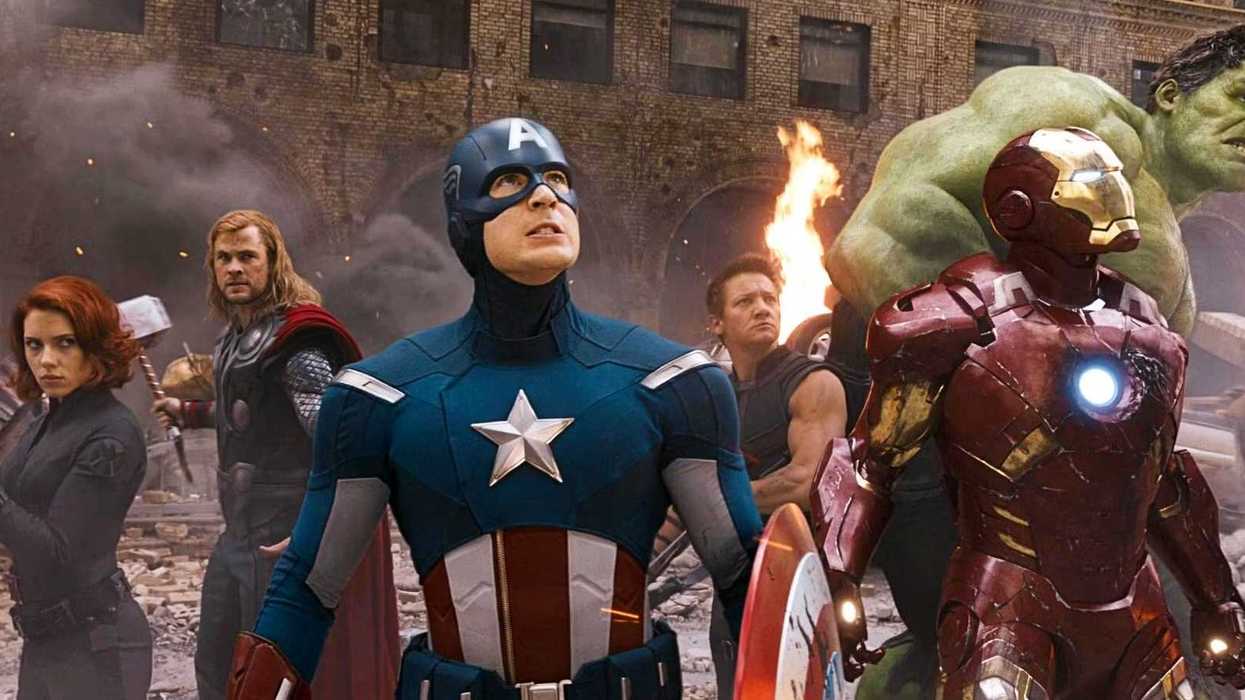
He points to the emerging superhero fatigue, even after years of the genre's dominance. It's had a long run, but after a few recent flops and the general sense of disinterest we can sense from audiences, tastes seem to be shifting away from the typical Marvel Cinematic Universe story.
What about something that was a sleeper hit? If you do try to copy, say, a Sinners or a Weapons, it's going to feel fairly obvious. In addition, the time it takes to complete a film usually means that by the time you premiere, the zeitgeist has moved on. Vampires could be hot one quarter, but a few months later, totally played out.
"Who knows what the marketplace demand and audience interest is going to be" by the time your film is finished, Perlman said.
"Being Commercially Mindful Is Valuable"
Perlman isn't saying ignore money entirely. As we also pointed out, "filmmaking is an expensive art form" that takes "hundreds of thousands, if not millions and millions of dollars."
If you're taking a huge creative swing, like a five-hour silent epic about realistic pigs in space, you have to know that the audience for something like that is not going to hit the four quadrants. There just aren't enough people who care about pigs in space. But if you make them Muppets, and give them jokes? That might be an easier sell.
- YouTube www.youtube.com
So yes, keep an eye on the trends and audience expectations, just don't let them trap you in a box.
Do you need to be a Hollywood insider at a desk to know all of this? No. At the very least, you might be reading the trades, watching box office numbers, and trying to figure out what sells.
Get comfortable with your genre's tropes and expectations. Then you can play around creatively in those spaces to give established audiences something new and exciting.
It comes down to what Perlman calls "creative conviction but not creative recklessness." You're not being reckless by following your vision. You have a strong creative voice and are pushing things in a manner that invites your audience to meet you halfway.
"We Are Both Creators and Consumers"
If you want to make movies, chances are you like watching movies, too. Well, that can count as research.
"We watch content. We watch movies. We can pay attention to trends and waves of popularity of certain types of material in the marketplace," Perlman said.
Even if you're a new filmmaker, he suggests watching what's tracking and doing well. What are people enjoying? What creates fandom excitement online? You can use this awareness to choose which project to pursue.
What flops? Analyze those films and try to determine why. Was it an issue of marketing (the film not finding its people) or something on the creative side?
Was there something that was super buzzy 10 years ago, but hasn't had a resurgence? Maybe you could be the one to bring it back. (Perlman talks about found footage specifically.)
The big takeaway is that if you feel inspired, ride that inspiration. If you're a writer, it usually means the story will pour out of you and be fun to write. Be aware of the market, but let your creativity be your guide. You don't want to create a soulless product, but something that's actually a part of you.
- Here's David Lynch to Tell You How to Bait Your Hook to Catch Great Ideas ›
- 8 Somewhat Unusual Screenwriting Tips That May Help Kickstart and Maintain Your Creativity ›
- Creatively Blocked? How to Go with the Flow & Get Back in the Zone ›
- What the 'Stranger Things’ Pitch Deck Tells Us About Creativity ›