Did You Know: 'The 'Dark Knight Rises' is Secretly Based on a Dickens Classic?
You’ll be surprised how one is an allegorical blueprint of the other.
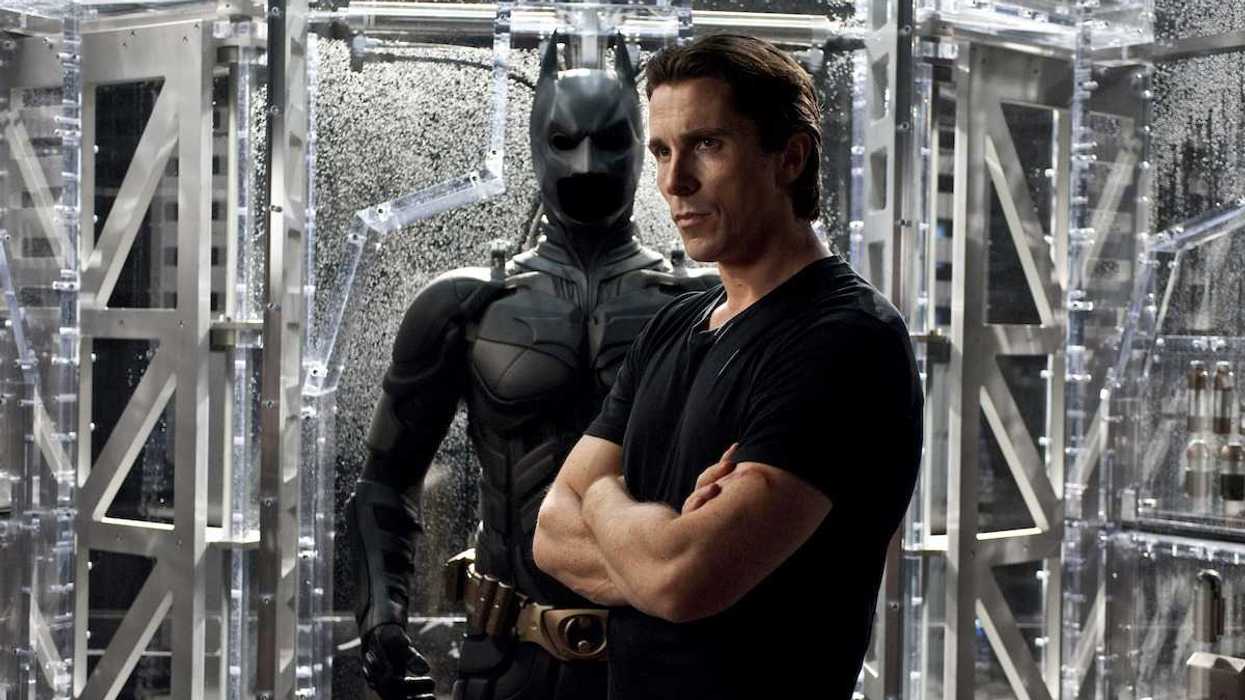
The Dark Knight Rises (2012)
The smartest thing you can do as a writer is reach out for creative help as you’re writing your script.
I am not talking about keeping an assistant or hiring a script agent to give you feedback. I am talking about taking intentional inspiration. Once you have your basic concept in place, there’s no rule anywhere that says that you have to figure out every tiny detail all by yourself.
Who says you can’t seek help? Is it your creative ego? Or is it your fear of losing the originality of your story?
When stalwarts such as Christopher and Jonathan Nolan do it all the time, what makes you think that you’d be penalized?
Don’t believe me? Read on to find out how Charles Dickens’ A Tale of Two Cities, a 19th-century novel written against the backdrop of the 18th century, became a direct inspiration for Christopher Nolan’s The Dark Knight Rises.
- YouTube www.youtube.com
The Dark Knight Rises vs. A Tale of Two Cities: Story and Themes
On the surface, there are hardly any similarities between The Dark Knight Rises and A Tale of Two Cities.
But when you dig deeper, you realize that both stories share a lot of structural, plot, and thematic similarities. In fact, The Dark Knight Rises is a modern psychological and political allegory inspired by Dickens’ novel.
Let’s understand by drawing a vivid comparison between the two.
1. Duality
The cities in Dickens’ story, Paris and London, and Gotham in The Dark Knight Rises, represent duality by spotlighting social collapse.
While Dickens uses two separate cities to create the contrast between chaos and order, revenge and mercy, the Nolans use only Gotham, with class distinction as the primary element of contrast and chaos.
Both setups are heading toward revolution and represent decaying societies filled with resentment, inequality, and moral exhaustion.
2. Resurrection
Both stories revolve around the themes of resurrection and redemption. The French Revolution ignites under the weight of class oppression, whereas Bane incites a rebellion against Gotham's elites, exposing economic inequality and populist anger.
The main distinction is that Bane is the antagonist in the story.
3. Redemption and Sacrifice
The Dark Knight, Batman, is emotionally weighed down by the deaths of Harvey and Rachel.
Despite taking the blame for all of Harvey’s crimes at the end of The Dark Knight, Bruce Wayne is engulfed by guilt in the third film. He’s taken up the life of a recluse and even abandoned his multi-billion-dollar company, Wayne Enterprises. He has also retired as Batman.
Sydney Carton, in A Tale of Two Cities, is equally emotionally broken. He is an alcoholic lawyer with wasted potential.
The former redeems himself by sacrificing himself for his city, Gotham, while the latter redeems himself by sacrificing for love.
4. Hope Amid Destruction
Both the French Revolution and Bane’s rebellion absolutely wrecked the law and order of society, bringing in more chaos and violence than anticipated. However, both stories end on a hopeful note that society will recover itself despite all the damage.
Especially when Blake receives the package with directions and clues to the Bat Cave, we’re reminded that Batman’s legacy is meant to live on, even if Bruce retires as the Dark Knight.
The revelation in the end that Bruce is alive and now with Selina reminds us of the fresh beginning that Lucie and Darnay got as a gift from Carton, because he switches places with Darnay at the guillotine for his love.
Christopher Nolan's admission that Dickens’ work greatly inspired him in making The Dark Knight Rises shows how art is collaborative at every level. Any form of art, be it movies, music, paintings, or novels, was meant to inspire.
So, do yourself a favor, read everything that you can get your hands on! That’s how you expose your creativity to new possibilities.