Director James Gray Perfectly Summarizes Hollywood's Current Issues
The over saturation of a genre is weighing on movies and TV.
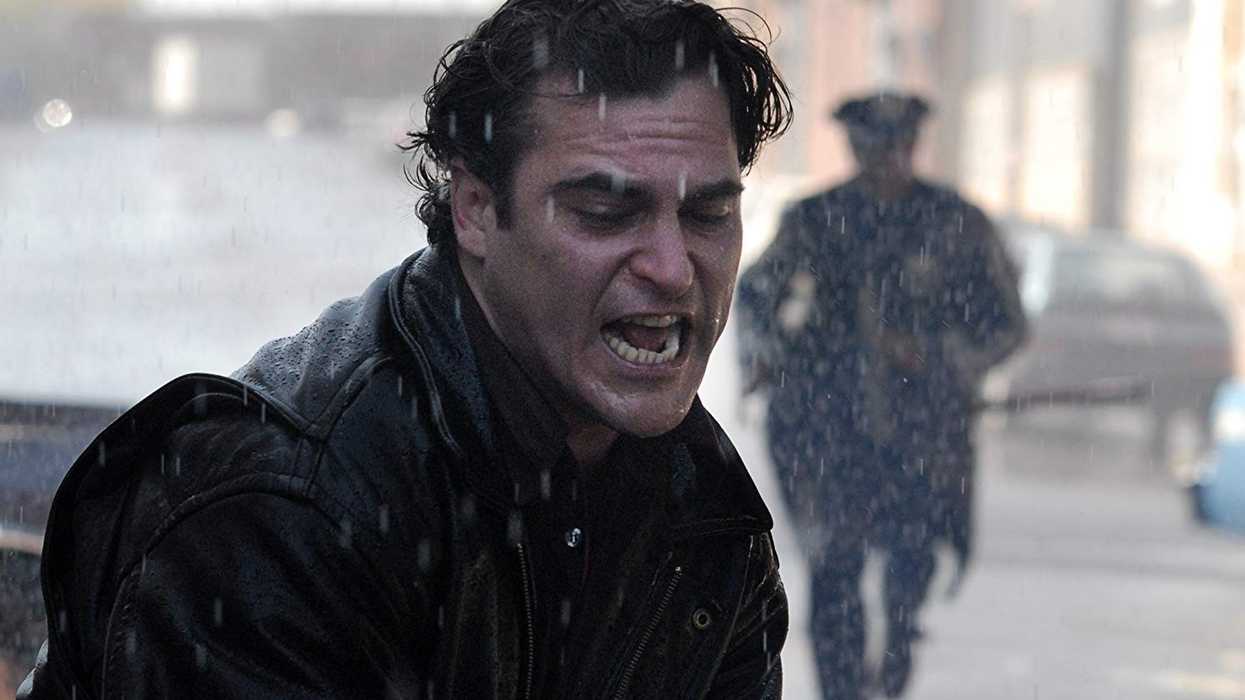
'We Own The Night'
As Hollywood watches, the superhero movies at the box office are struggling to make as much as they did before. I wanted to turn back the clock to an older interview that I think perfectly summarizes where we are today.
Director James Gray, the guy behind such movies as Ad Astra, Two Lovers, and We Own the Night, gave an interesting interview right around the time his movie Armageddon Time came out about the current state of Hollywood.
He delivered a stark diagnosis of the film industry and argued that for cinema to survive and thrive, major studios must do something that would make any MBA graduate shudder: they must be willing to lose money.
Let's dive in.
Director James Gray on Hollywood's Superhero Issues
I was able to find this conversation on YouTube, so I wanted to show it in full here.
At the start of it, Gray asserts that Hollywood has made a "critical mistake" by reducing filmmaking to a simple balance sheet equation. "This film did not make a ton of money, thus we don't make that film," he explained. "This film will make a ton of money, thus we make that one." While this seems like common sense, Gray posits that this singular focus is precisely what's killing the art form's relevance.
It's pulling apart art and commerce in favor of just commerce, and we're left with soulless movies and TV shows.
The focus then on superheroes or tentpoles above all else leads to a monoculture. The diversity of the theatrical slate vanishes.
"When you make movies that only make a ton of money and they're only one kind of movie," Gray warned, "you begin to get a large segment of the population out of the habit of going to the movies."
The result? The cultural importance of cinema itself begins to fade.
Forgettable Films
Now, this is not an attack on any single genre. Gray has no issue with comic book films, citing Tim Burton’s Batman Returns and the work of Christopher Nolan and Matt Reeves as examples of "excellent" films within the genre.
The issue isn't their existence, but their near-total dominance of the theatrical space.
This has forced "a smaller and smaller and smaller segment of the population" to be the only audience that matters.
When we're trying to get people to the movies, and we're not servicing the movies they want to see, we're going to lose them forever.
Gray also asserts that these cookie-cutter movies have no lasting cultural impact. This decline in cultural engagement has tangible effects.
We see that no one watches the Academy Awards anymore and wonder why — well, it's because audiences are not being serviced, and we're not making movies that engage with a broader spectrum of the audience.
How Do We Fix This? Lose Money.
So, what is the solution? For Gray, it’s an investment in art.
He argues that studios need to revive their specialty divisions—the arms of major studios that once championed challenging, adult-oriented, and artist-driven films.
These are not movies that needed to make a billion dollars to be profitable. They are essential investments in audience development.
"The studios should be willing to lose money for a couple of years on art film divisions," Gray stated emphatically. "And in the end, they will be happier because it'll come back."
It is, as he calls it, a "big brain vision."
By taking a calculated, short-term loss on art films, studios aren't just making art; they are rebuilding a habit, broadening their customer base, and investing in their own long-term relevance and profitability.
The question is whether they have the vision to see it.
Let me know what you think in the comments.