Directors, You Don't Need to Be an Expert in Cinematography
Lawrence Sher says so.
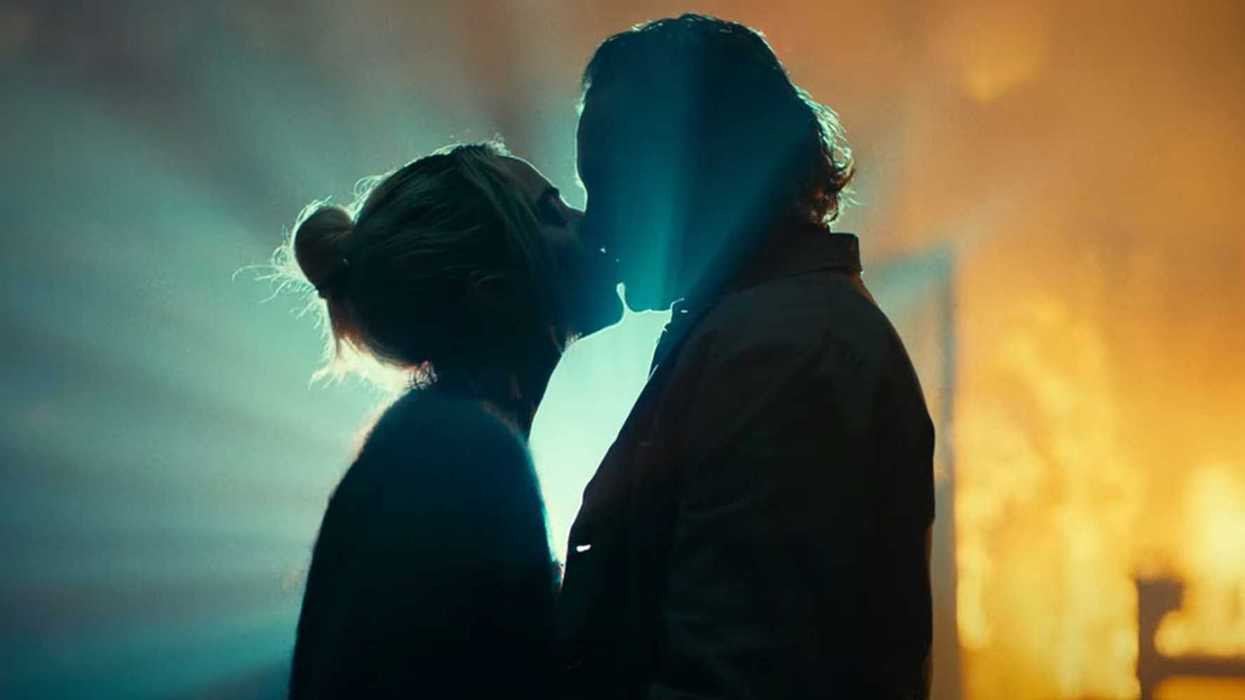
Joker: Folie à Deux
I love to learn as much as I can from being on set, but I can admit that I'm not the expert on every role. And that's okay—at least according to DP Lawrence Sher. This is why we have crew members all working together as a team to achieve the same goal.
Sher shot the Joker franchise, The Hangover films, and Garden State, often collaborating with director Todd Phillips. He recently appeared on Hugo Will's podcast to talk about collaboration on set.
"I've always said, you know, a director doesn't need to know anything about cinematography to be a good director," Sher said. That's the DP's job.
Check out the clip here!
- YouTube www.youtube.com
Sher uses Sam Mendes as an example to illustrate his big point.
Mendes came from theater, where blocking and staging matter, but cinematography isn't the same at all. Whether Mendes understood lighting and camera work in 1999 when he made American Beauty or learned it over his career, he was already a great director. He had to trust a DP to help him make the right decisions to achieve his vision.
Be Diplomatic
Directors sometimes scout locations and fall in love with a shot that's flat or front-lit. They want to frame something a certain way that creates technical problems.
Sher says the DP's responsibility is diplomacy. You need to explain that shooting at a different time means less equipment and faster setups. You find reasons that serve the story and the budget without just saying "no."
Sher describes a time when one director rejected a location because of an unsightly house visible in one small wedge of the 360-degree view. Most of us would probably understand that some portion of the horizon is not going to be seen in the finished project. Sher even pointed out that the house faced north, meaning they'd naturally shoot with their backs to it anyway in the northern hemisphere. Nobody would ever see that ugly house in the film.
But the director couldn't visualize it, and they moved to a different location, which still had areas they would never photograph because equipment, trucks, and crew had to go somewhere.
The DP's job is to bridge any knowledge gap without making the director feel small.
Be Open
Sher admits there's sometimes a knee-jerk reaction when a director suggests something that seems technically wrong.
Sometimes, when a DP looks at it from their perspective, they realize a wonky shot could work or be a fun challenge. That's collaboration, baby—pushing each other and learning from each other. Not automatically shooting down an idea, but workshopping it and figuring it out and coming to a happy medium.
Sher says when a DP works with the same director multiple times, that relationship provides an opportunity to educate without condescension. The director learns to see more of the DP's approach and limitations. The DP learns to understand the director's goals.
But that relationship only works if the DP accepts that the director isn't supposed to think like a cinematographer. They're supposed to think like a director and trust the DP to translate that into visual language.
- Watch the 'Joker' DP Break Down Two Key Scenes ›
- 'Joker' Cinematographer Describes the Use of Color in Film ›
- How Larry Sher Shot 'Joker', Built a Career, and Almost Got Fired on His First Day of Filmmaking ›
- Cinematographer Lawrence Sher Dishes on Marvel, Shotdeck, Directors, and Comedy ›