Film Quote of the Day: The Ryan Gosling Quote That Made the Driver an Instant Icon
“There's a hundred-thousand streets in this city. You don't need to know the route. You give me a time and a place, I give you a five minute window.”
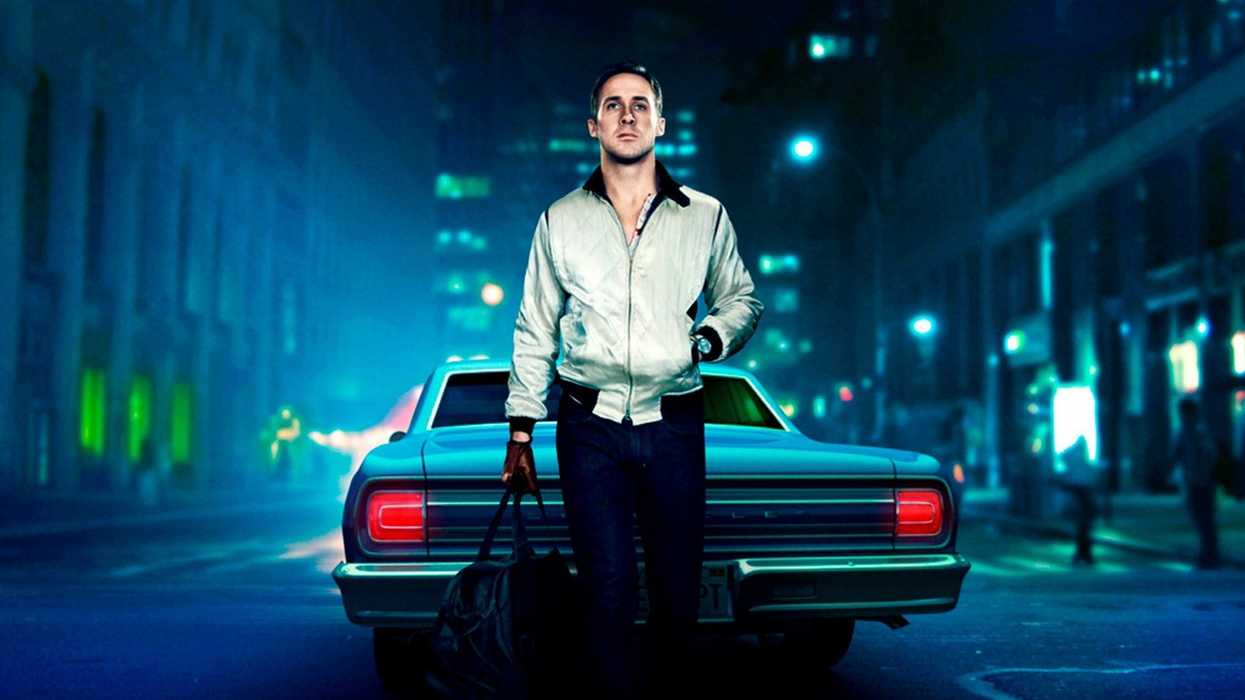
'Drive'
When Drive came out, it was like the only soundtrack I saw people buying on vinyl. Everyone was obsessed with this synth neo-noir that thrust Ryan Gosling back into the spotlight and showed everyone he was a star.
There's this energy when you watch this movie still. It's so tight and edited so precisely; every scene and every movement feel like they matter, because it's all about someone driving and motoring the narrative forward.
Gosling's nameless lead character, known simply as "The Driver," is a man of few words, but the ones he does say count and reveal what he believes and who he is from the opening of the movie.
Let's dive in.
- YouTubewww.youtube.com
The Scene in Question
The quote I want to go over from Drive is almost the opening lines of the movie. And for writers, here's something I think you can zone in on. You want to give your character a code.
Something we know they believe. Well, this movie does that in spades. And then it gives us a scenario where that code either must be upheld or broken.
The film opens in a dimly lit, run-down apartment.
The Driver sits on the edge of the bed, holding a phone to his ear, staring blankly ahead. His voice is monotone. He's laying out his terms of service.
"There's a hundred-thousand streets in this city. You don't need to know the route. You give me a time and a place, I give you a five minute window. Anything happens in that five minutes and I'm yours. No matter what. Anything happens a minute on either side on that and you're on your own. Do you understand?"
- YouTubewww.youtube.com
What The Quote Means
What makes this line so brilliant from a screenwriting perspective is how much work it does in under ten seconds to set up the story and reveal who this character is right away.
Now, you could think this was on-the-nose dialogue or exposition, but the way it's positioned in the movie, as the opening lines, it draws us in and never feels like an expository dump.
We learn right off the bat that this guy has strict boundaries.
The Driver is a specialist, and he's telling you what he does and does well. You have to trust him on that. His five-minute rule shows that he's disciplined and also has his limits. This is what he's going to do for you; the rest is up to you.
That goes along with his interest in the crime; he does not want to know about what you're taking or doing; he just needs a point A to B place.
Now, all this comes back later, when the narrative leaps forward, and The Driver breaks his own rules because he lets personal feelings for Irene (Carey Mulligan) and her son blur his professional boundaries.
Without this opening line, we wouldn't have the whole crux of the movie or understand its narrative.
Now, there's no deeper meaning here except what's reflected in the plot, and that's okay!
Not all writing has to have this subtext; some of it just has to be good and fit the scene, and this does perfectly. It even kind of lets us know the tone of the movie before we're too deep.
And it's so clear and easy to understand that I think it probably hooked readers upon first glance.
Summing It All Up
Refn and screenwriter Hossein Amini delivered a masterclass in character exposition and a movie that lives up to those opening moments.
We have a clear purpose for our character and rules in a world we understand.
It told the audience exactly who they were dealing with and what the movie was all about.
Let me know what you think about this scene and the movie.