I was looking for articles to write and stumbled across one of the most interesting factoids I have ever read. It's one of those statistics that feels impossible, but it is real.
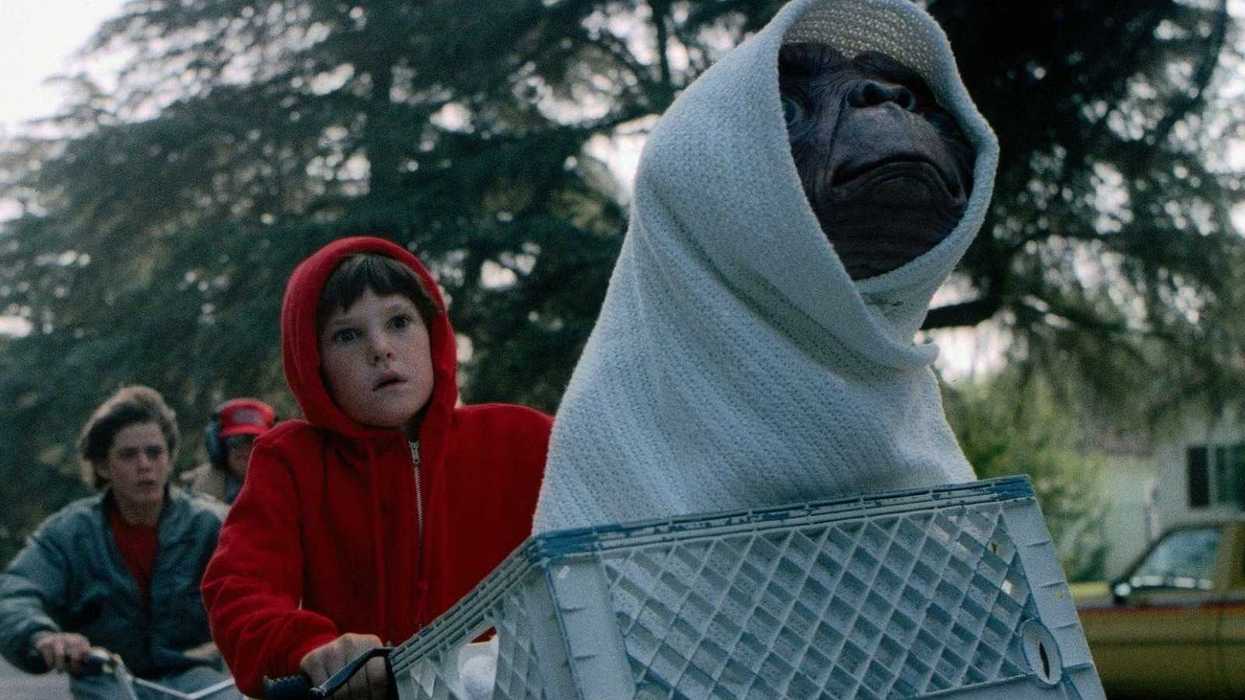
E.T. the Extra-Terrestrial managed to remain in the theatrical Top 10 and gross over $1 million for 44 consecutive weekends.
To put that in perspective, today's standard blockbusters are lucky to spend four weeks in the Top 10 before being cannibalized by digital platforms or being pushed out by other movie releases.
Another way to look at it is that for almost an entire calendar year, E.T. the Extra-Terrestrial stayed in theaters and made money. It remained part of the cultural conversation, and it kept selling tickets.
Let's dive in.
- YouTubewww.youtube.com
The Anatomy of an Untouchable Run
When E.T. opened on June 11, 1982, it didn't smash records. In fact, according to tracking data, it pulled in a healthy but modest $11.9 million opening weekend.
But the movie has maybe the best example of box office legs we have ever seen.
Instead of dropping 50% to 60% in its second and third weeks (which happens with most movies), E.T. grew.
It jumped 6% in weekend two, and another 6% in weekend three.
Word of mouth was sending people to theaters in droves to see this plucky little alien movie with a huge heart. The film and its characters and images were becoming part of the cultural lexicon.
It's hard ot describe the cultural obsession with the film, but it stayed in the top of the box office charts through the summer, through the fall, through the holiday season, and deep into the spring of 1983.
That is so freaking crazy.
By the time it finally dipped out of the top rankings, historical box office records show the film collected 16 non-consecutive weeks at the No. 1 spot and set an unbreakable record by spending 44 weeks in the weekend Top 10.
- YouTubewww.youtube.com
Why This Record Will Never Be Broken
I mean, no movie is ever going to do this again. I think that Obsession is on a crazy run right now, but even that is setting its own records, never coming close to this one.
The main reason is that the modern studio system is structurally engineered to ensure a run like E.T.'s can never happen thanks to shifts in the business.
Let's expand on that idea.
1. Saturation Booking vs. Slow Rolls
In 1982, E.T. opened in only 1,101 theaters nationwide. It gradually expanded its footprint as demand for the movie rose.
But today, thanks to major hits like E.T., a studio drops a blockbuster onto 4,500+ screens simultaneously on day one. That's so they can maximize opening weekend and then generate extensive word-of-mouth to hold multiple weeks at the box office.
This is all done to make money up front and not for the long tail.
2. The Death of the Theatrical Window
I'm a big proponent of the 120-day theatrical window, but up until this year, we saw many studios favoring much shorter windows, like 30 days.
When E.T. was dominating multiplexes, the concept of "home video" was in its infancy.
If you wanted to see the alien phone home, you bought a movie ticket. There were no other ways to see the film or participate in the cultural conversation.
Here's another wild fact: the movie didn't hit VHS shelves until almost six years after its theatrical debut.
Today, you can stream at home in around 30 days for most movies. They may even hit on a free platform.
This shift has triggered major industry debates, famously leading to headlines regarding Spielberg, Amazon, and the 120-Day Dream as directors fight to protect theatrical exclusivity.
3. High Premium Formatting Fees
I think this is maybe the biggest change in theatrical, and we're already seeing it reorganize the way Hollywood markets films.
Modern box office numbers are heavily inflated because audiences are willing to pay a premium ticket price to see movies in IMAX or other PLF screens.
IMAX is highly valuable to theaters and studios looking to sell the most expensive movies to audiences. This allows modern movies to hit $1 billion incredibly fast, but it makes their theatrical lifespans shorter, as all the big movies are competing for fewer screens.
Once the huge titles leave those theaters, we've seen their box office drop.
 'E.T. the Extra-Terrestrial' Credit: Universal Pictures
The Filmmaker’s Takeaway
It is easy to look at E.T.’s 44-week streak as a byproduct of a bygone distribution era, but if the movie is excellent, anything can happen.
The ultimate reason E.T. sustained its massive historic run is that it cracked the code of universal, cross-generational storytelling, and even passed Star Wars to become the highest-grossing film of all time during its initial release.
It's proof that the four-quadrant film is one of the most valuable pieces of property any studio can wield.
Spielberg famously took a high-concept sci-fi premise and framed it through a deeply intimate, grounded lens.
And we've written extensively about how three words from 'E.T.' changed how kids connect with alien stories.
As independent filmmakers, you may not have the luxury of a 1982 distribution landscape, but you do have access to the exact same tools Spielberg used: intimate character arcs, high stakes, and stories that compel audiences to look up at a communal screen and engage with the material.
Summing It All Up
E.T.'s box office record is safely locked away in the history books, but the filmmaking blueprint that got it there is still wide open for anyone brave enough to build a story from the heart.
Let me know what you think in the comments.