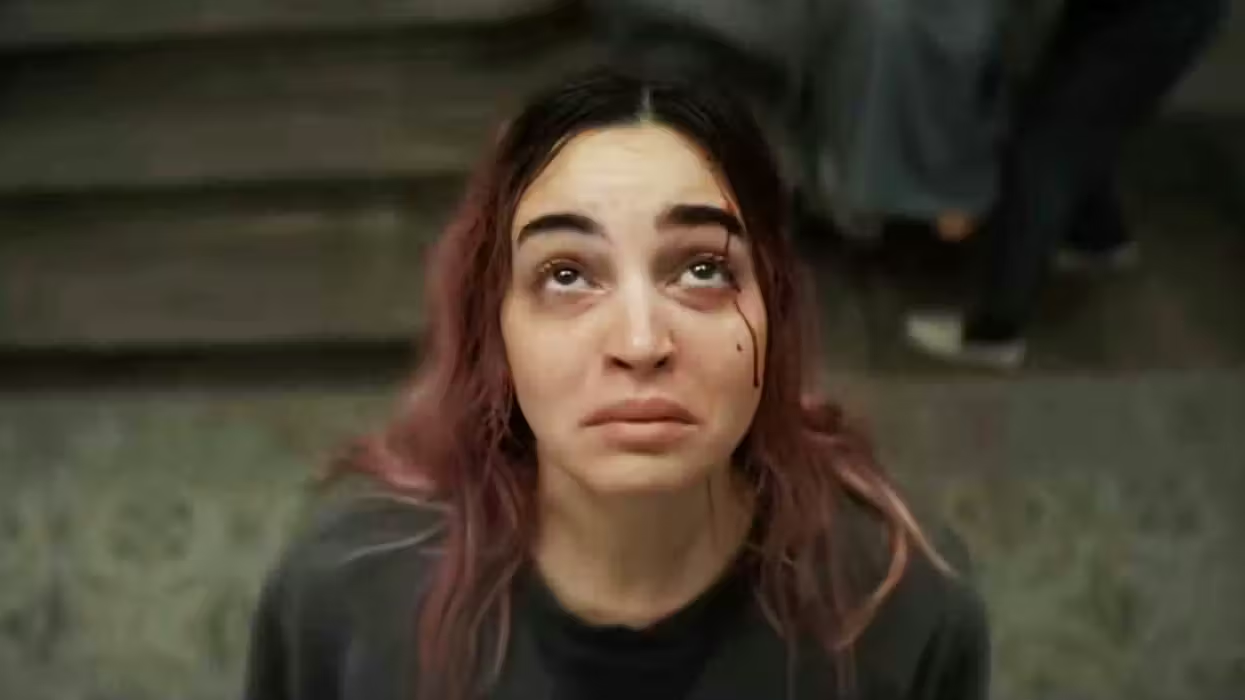
Evil Dead Burn is the sixth theatrical installment in the iconic Evil Dead franchise, a horror series that is growing increasingly complicated. While 2023’s Evil Dead Rise was a standalone sequel that largely ignored the continuities of the original trilogy and the 2013 remake (instead simply taking place in the same universe), that movie introduced a number of characters and storylines that have echoes in Evil Dead Burn, which debuted this summer.
While we wait to see what the upcoming 2028 sequel Evil Dead Wrath brings to the franchise, let’s break down what happened at the end of Evil Dead Burn so we can be properly prepared.
The Plot of Evil Dead Burn
Naturally, in order to understand the ending of Evil Dead Burn, we need to make sure we have a handle on the beginning. The movie, which was directed by Sébastien Vaniček (who co-wrote the screenplay with his Infested collaborator Florent Bernard), establishes many different plot points following different family members in an order that might seem slightly confusing at first, but we’ll lay it out plainly here.
The whole movie revolves around the Price family and the complicated relationships that connect and ultimately destroy them. The first of these relationships is introduced immediately as Joseph Price (Wednesday’s Hunter Doohan) searches through the archives of his late grandfather, whose association with the secret society The Circle of the Wise Men led him to be estranged from the rest of his family. It also allowed him to take possession of the Kandarian Dagger, a weapon with the power to destroy Kandarian demons (who, when they possess the bodies of humans, are called Deadites).
The sheer power of the weapon attracts Deadites, who want the Dagger destroyed, so when Joseph unsheaths it, it awakens Evil Dead Rise’s Deadite Jessica (Greta Van Den Brink, the stunt performer who portrayed the Deadite version of the character, who was primarily portrayed by Anna-Maree Thomas in Rise). The Kandarian demon possessing Jessica allows her body to be run over by Joseph’s drunk-driving brother, Will (George Pullar), before transferring itself into his dying body and lying in wait until his family gathers for the funeral.
Will’s widow, Alice (Souheila Yacoub) attends the funeral against her better judgment, both because she is reluctant to honor her abusive husband and because she doesn’t want to spend time with her in-laws. While she gets along well with Joseph and his girlfriend Thya (Luciane Buchanan), she has trouble with his stern parents Edgar (Erroll Shand) and Susan (Tandi Wright), who blame her for his death and clearly preferred Will to Joseph, as well as his paranoid grandmother Polly (Maude Davey).
After the demon inside Will possesses Edgar at the funeral parlor, mayhem ensues when the family gathers at their late patriarch's isolated vacation home after the funeral. The strained dynamics between the Prices are exploited by the Deadites as they violently murder various members of the family during their hunt for the Dagger.
What Does the Ending of Evil Dead Burn Mean?
In the end of Evil Dead Burn, Alice finds the hidden Dagger and manages to defeat the Deadite Prices, only to discover that Will’s body was never properly cremated and is still possessed. He chases her to a construction site, where she ultimately destroys him with tar, a jackhammer, and the Dagger. We then follow paramedics rushing to her aid as the sun rises, both literally and symbolically ending the violent, horrifying night that seemed like it might go on forever.
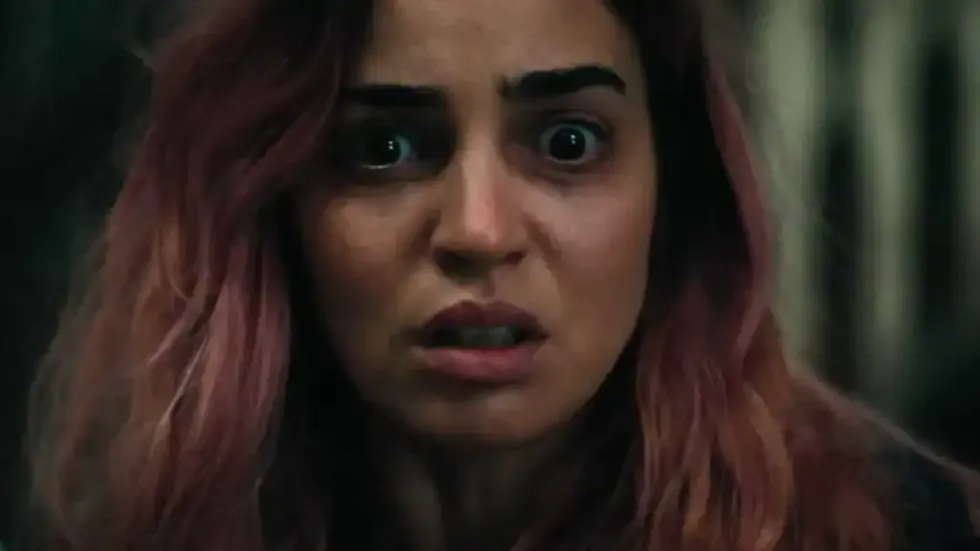 ‘Evil Dead Burn’ (2026)Credit: Warner Bros. Pictures
Alice is thus established as the franchise’s newest final girl. The trope, which was cemented by the slasher movies of the 1980s, involves a woman who goes through a terrible and violent ordeal, only to take up arms and ultimately survive, victorious and transformed. In Alice’s case, her transformation involves a cathartic release from the burden of being trapped in an abusive relationship and ending the cycle of abuse by destroying the lineage that led to her husband being abusive in the first place.
How About Evil Dead Burn’s Mid-Credits Scene?
Partway through the credits of Evil Dead Burn, it is revealed that the Deadite version of the Price grandmother Polly, who was previously thought to have been destroyed, is still very much alive and well, having detached the character’s prosthetic leg and freed itself. This scene ends with a gag where she claws at the leg of a driver who has stopped to see if she needs help, taking possession of a more hale and hearty body in the process.
While this scene does set up a sequel in the sense that it implies that the Deadite threat has not been truly defeated, it seems unlikely that either Deadite Polly or the driver will play a part in Evil Dead Wrath or any follow-up movies. This scene plays more like the type of comic gag that is typical of the franchise, blending gory mayhem with slapstick punchlines, rather than an important story beat. However, the same is not true for the scene that comes after the credits.
Evil Dead Burn’s Post-Credits Sequence Emphasizes the Franchise’s Interconnectedness
After the credits roll, viewers are treated to one final scene in Evil Dead Burn. The scene follows the manager of the crematorium (Lara Macgregor) bringing her daughter to work with her. When left alone, the child looks through the urns of unclaimed ashes and finds one labeled “Ellie Bixler,” which is the name of one of the main characters of Evil Dead Rise (the mother of the family that is being besieged by Deadites in an LA apartment building, who is possessed early on in the 2023 movie). Then Deadite Ellie (Alyssa Sutherland) appears in the mirror behind her before snapping the girl’s neck and announcing that “mommy’s back.”
In addition to allowing the movie to deliver one more shockingly violent moment, this closing scene is a reminder that Evil Dead Burn is very much in continuity with Evil Dead Rise, beyond the fact that its inciting incident involved Deadite Jessica. Although it is not explained how Deadite Ellie has been reformed after merging with the bodies of multiple other Deadites at the end of Rise and having her head kicked into a woodchipper, this scene acts as a tease that this may not be the last we see of Ellie.
Considering the fact that Evil Dead Wrath is reportedly a prequel taking place in the 1970s, before the events of 1981’s The Evil Dead, it is unclear exactly what role Ellie might play in the next movie. However, the fact that both Dead and Burn, which are otherwise standalone stories, feature this important connection implies that both storylines could ultimately play a key role in the next installment, which could potentially follow an earlier era of the Circle of the Wise Men.
So what do you make of the ending of Evil Dead Burn? Share your thoughts in the comments below!
- This 1981 Horror Classic Invented the 'Shaky Cam' Because Sam Raimi Couldn't Afford a Crane ›
- One of Rotten Tomatoes’ Best Horror Movies of All Time Only Cost $375,000 To Make ›
- 10 Filmmaking Lessons From the 'Evil Dead' Franchise ›
- Sam Raimi and 'The Evil Dead' Provide a Blueprint for Indie Filmmakers ›
- How 'Evil Dead Rise' Carries on Sam Raimi's Practical Effects Legacy ›
- Watch: How 'The Evil Dead' Became One of the Biggest Low-Budget Box Office Hits of All Time ›