3 Filmmaking Lessons From the 'Fast and Furious' Franchise
Okay, the main lesson is family, but outside of that, there'a a lot to learn.
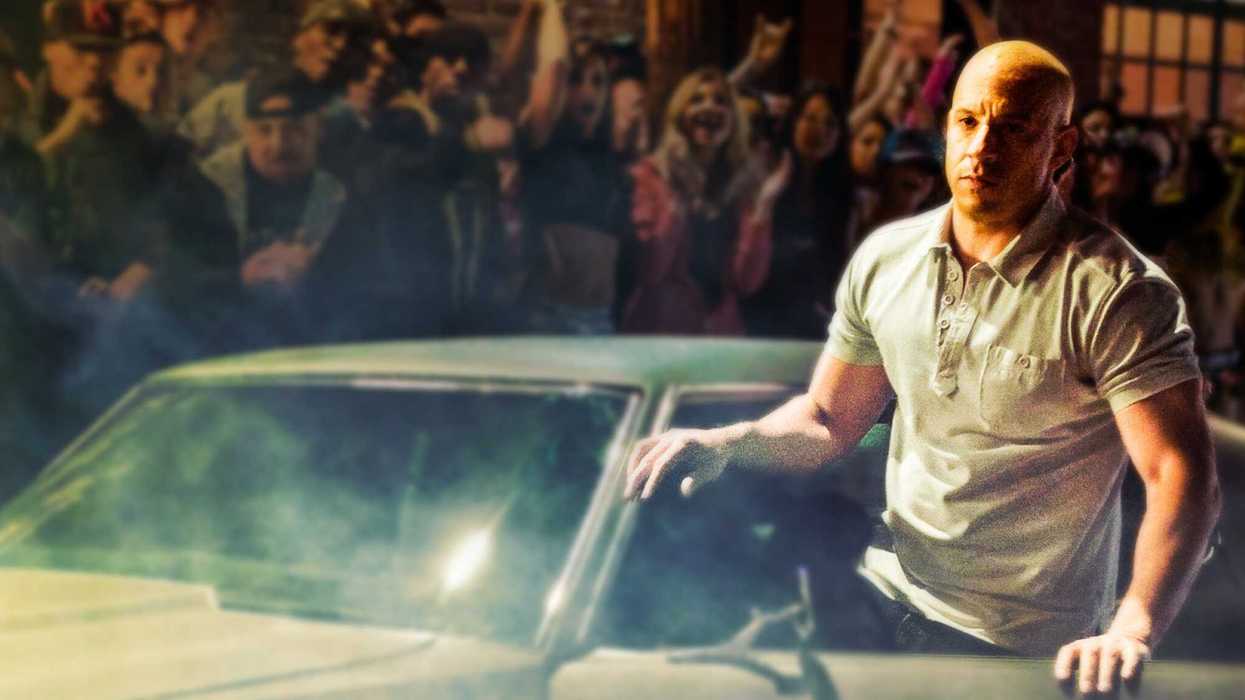
'Fast Seven'
If you told me in seventh grade that the movie I just saw about street racers and hot chicks was going to span a franchise that would take me into my forties, I would have told you you were insane.
But now I sit here at 39, awaiting the eleventh Fast and Furious movie, which is set to come out after I turn 40.
This franchise has also earned $7 billion at the global box office and has become the envy of everyone with an original spec and a dream of making some franchise cash.
As the original The Fast and the Furious hits theaters for its 25th anniversary, the saga of Dominic Toretto and his corona-sipping "family" stands as one of the most fascinating case studies in modern Hollywood history.
Today, I want to go over some filmmaking lessons you can learn from this epic saga.
Let's dive in.
- YouTube www.youtube.com
The Power of the Genre Pivot
The biggest mistake filmmakers make with a premise is getting married to it for the sequels. That's what can make them feel stale and like dramatic rehashes of the original. Sometimes you need to just take the characters and put them into a different kind of movie.
The first movie in the series is basically Point Break with cars. The next movies take us undercover in different ways, like police procedurals.
But as we got deeper, they suddenly became globetrotting spy movies.
I mean, Universal and director Justin Lin executed one of the greatest genre pivots in cinema history with Fast Five. They dropped the illegal street racing and turned the franchise into a slick, international heist-ensemble movie.
From there...it feltl ike these movies could go anywhere.
If your indie script or web series is hitting a wall because the niche market you initially targeted is shifting, don't be afraid to change the engine and keep the characters.
Dare to go against genres.
Cast for Chemistry
This is one I think evergreen should pay attention to because when I watch movies with massive stars, sometimes it feelsl ike they don;t belong in the story.
And when you see a movie that feels authentic, it usually finds a bigger audience.
When the first film dropped, Vin Diesel, Paul Walker, Michelle Rodriguez, and Jordana Brewster weren't A-list draws. They were young actors with a raw screen presence that felt authentic to who was racing cars in Los Angeles.
Audiences kept coming back for sequels because they cared about the characters and seeing them evolve.
Okay, so how do you do this on a budget?
- Prioritize ensemble dynamics: A group of lesser-known actors who feel like they’ve known each other for a decade will beat a mismatched cast with one recognizable name every single time.
- Look for distinct textures: Notice how every member of the Fast crew handles a specific tone. Ludacris and Tyrese bring the comedy, Vin handles the stone-faced gravitas, and Paul anchors the emotional baseline.
Know Your Core Emotional Anchor
Let’s be real: the plot twists in these movies can get absolutely absurd. You have people dying and coming back as half robots; you have cars that explode, only for the people to live. And you see them like taking on someone hacking into the internet and controlling every car in a city.
It's all bonkers.
But we like these movies because we care about the people in them. And they never forgot that.
I made the joke earlier, but this really is all about family. We're part of it, and every new sequel allows us to see who settles down, who has a family, and even how these people's lives change on screen.
You can get away with wild, high-concept plotting, stylistic experiments, or logic-defying set pieces as long as your story’s emotional core remains simple, grounded, and utterly sincere.
That's a lesson for any-sized movie.
Summing It All Up
The 25-year run of this franchise proves that longevity comes from adaptability and a commitment to understanding what makes your creative team click.
You don't have to be making blockbusters to follow these lessons; you just have to be in tune with your audience.
Let me know what you think in the comments.