What does it mean to "set the tone" of a film or TV show? And how do you do it?
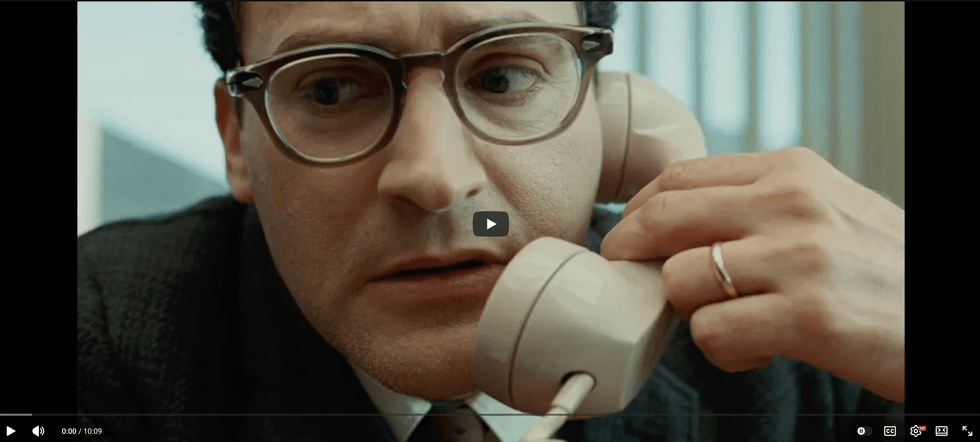
Wheelhouse Films' video essay takes a swing at answering these questions. Plus, it features one of my favorite Coen brothers’ films, A Serious Man, and it's included as an example for good reason. The film walks a tonal line that is confusing to some but genius to others, and it's a great one to study in this context.
When you’re writing or prepping your next project, tone is something you’ll need to think about. It will determine everything from your cinematography, your costumes and production design, how actors deliver lines, the music (or lack thereof), and pacing. You decide on a tone depending on what the project needs.
Let’s learn more together.
What Is Tone?
Before you can set tone, you need to know what it is.
“Tone” is defined by many sources as the element, especially in written work, that “expresses the writer's attitude toward or feelings about the subject matter and audience.” Tone is seen in any creative output and it’s there whether you’re conscious of it or not. For film and TV, directors are also key in establishing tone.
In film, tone is the emotional territory a film is allowed to occupy.
If you’re making a gothic horror film, you probably don’t want misplaced comedy in a serious moment, for instance. If you’re making a lighthearted romantic comedy, you probably won’t introduce a serial killer subplot. These things just feel wrong for their genre.
There’s also a difference between mood and tone in film, so check out that resource for more.
What Establishes Tone in Film and TV?
Color, music, production design, and editing obviously matter enormously in our work.
I just saw Project Hail Mary for the second time, and it’s a great example of tone. A story about a man alone in space could easily be very dark, dreary, and lonely. It could have cold visuals, maybe even little lighting, and put the character in bland uniforms. Maybe you use a drone soundtrack so everything feels ominous.
But that’s not what the film is at all. At its high points, the film is flooded with warm light from a distant sun or the infrared glow of high-tech tools or the neon radiance of an unfamiliar planet. The wardrobe is bright, fun, almost childish. The music, too, is playful, utilizing quirky sounds like a squeaky faucet and bright chorale voices. We get needle drops from The Beatles and the Turakina Māori Girls' Choir.
This movie has its dramatic moments, but it’s hopeful, fun, light. That’s tone!
In contrast, Blue Velvet is the video's first example. Lynch opens with roses too saturated, a sky too blue, a Bobby Vinton song that's too cheerful. Every element is turned up slightly past believable. The effect is that the whole thing feels like a dream that's about to curdle. It’s unsettling.
The visual and sonic stuff is a starting point. The real question is what happens when the action itself enters the frame. Does the film's approach to what's happening match the aesthetic choices? If not, then that surrealist/unsettling feeling will continue. The tone is set, and it might be unexpected.
Two Tones, Same Scene
The video looks at two scenes that are similar in content. Both feature a pickpocket. Both are black and white, with no music and no dialogue. They have different tones, though.
Sam Fuller's Pickup on South Street and Robert Bresson's Pickpocket cover almost identical ground. We see a thief, a crowd, and a stolen item. But they feel like they exist in completely different universes.
Fuller wraps the theft in sexual tension and swagger. The blocking is dense and hot, the energy is charged, the whole thing has a con-man confidence, and is cut quickly from multiple perspectives.
Bresson shoots it differently and quietly. The camera watches. The stillness runs long, resulting in more tension. We feel more concerned for the character because he lacks confidence, startling himself at times.
The differences come in the pacing, blocking, perspective, and what the camera chooses to notice.
Every choice about how you treat the action in front of your camera is a tone decision, whether you're making it on purpose or not.
Structure as Tone
Sometimes the emotional territory a film needs to occupy is so specific that you need more than a color palette or camera choice. So what if you build the tone into the story?
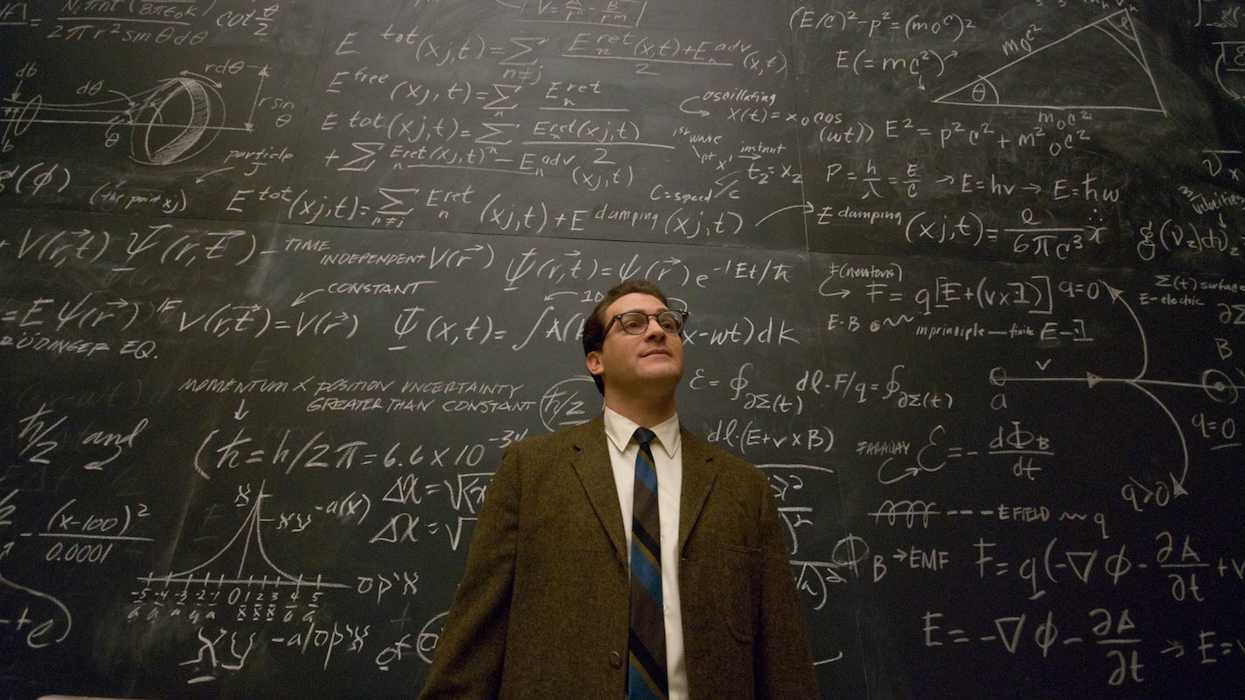
The Coens' A Serious Man is the video's example of this. The film is about a beleaguered physics professor in 1960s Minnesota whose life falls apart in every direction at once.
Its tone is very specific. It’s funny, but sometimes shot like a horror film, sometimes farcical, sometimes dreamy and drug-addled. Sometimes the pacing is punchy, sometimes it slows to a horrible, tense crawl. The character is constantly bewildered.
Can you make the audience feel that before your protagonist has even appeared?
The Coens open with a shtetl fable set in 19th-century Poland. A man comes in from the cold. His host's wife insists he's a dybbuk. The man doesn't have a great alibi. She stabs him. He walks out. And then the film moves on, never to return to these characters again.
The prologue has nothing obviously to do with the plot, and for that reason, it confuses a lot of people. But that’s okay. It wrong-foots the audience, hands them something they can't resolve, and puts them in Larry Gopnik's emotional state before Larry Gopnik exists.
Sometimes you can do this with POV changes, too. Weapons does it. Zach Cregger uses a mosaic, multiple-POV structure for the story, which controls when information is revealed. You feel the community's collective dread and confusion before you have any grip on what's happening to this town. (Then within each POV, there were slight tonal shifts, too—for instance, one feels a little more police procedural.)
These are just a couple of ways you can get tone through narrative architecture. It’s advanced, so if you try that one, let us know how it goes.