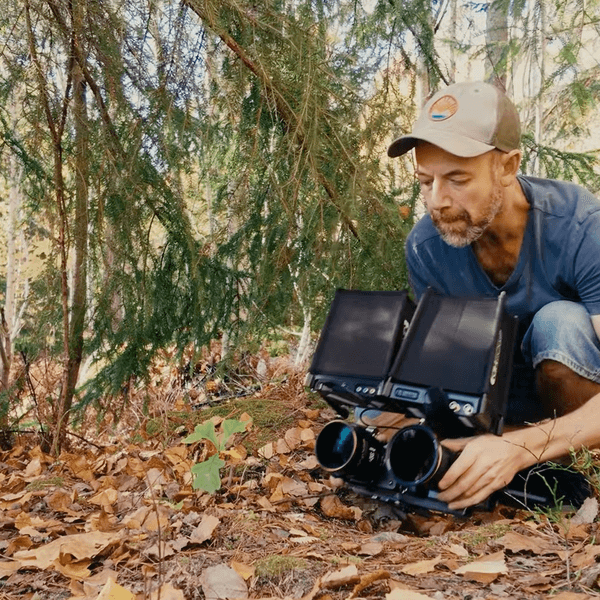
Awards, accolades, and box-office collections are great, but success hits differently when your audience starts spotting you in your frames, when your work becomes like a fingerprint, and when your audience can tell, at a single glance, whether something is yours.
While this may not be a formal parameter of success in filmmaking, I am wired slightly differently because of a game that I used to play with my cousins in my childhood. Every movie night, we’d pop in a movie, and before the credits rolled, we had to guess the filmmaker.
Whoever guessed it correctly first would watch the movie for free next week without having to pay their share of the rental. As I grew up, nurturing the dream of becoming the greatest filmmaker the world has ever seen, I guess that’s what kept me going—that someday in this game, someone would find me in the visuals I create.
In this article, we’ve compiled a list of filmmakers with styles so distinct that you know it's them in seconds. These auteurs are my daily dose of inspiration.
Filmmakers with Distinct Styles of Their Own
1. Wes Anderson
Films: Rushmore (1998), The Royal Tenenbaums (2001), The Life Aquatic with Steve Zissou (2004), The Grand Budapest Hotel (2014), Isle of Dogs (2018)
 Wes AndersonSource: Craig Duffy, Flicker
Distinguished visuals, highly saturated color palette to create a storybook or diorama effect with absolutely symmetrical composition—that’s Wes Anderson for you.
His films feature a clear narrative, playful camera movements, and deliberate pacing that lead to fluid scene transitions while maintaining compositional rigor. The filmmaker takes his props and sets equally seriously, often treating the backdrop as a theatrical space.
You feel that every inch of the frame is meticulously assembled.
2. Sofia Coppola
Films: The Virgin Suicides (1999), Lost in Translation (2003), Marie Antoinette (2006), Somewhere (2010), The Bling Ring (2013).
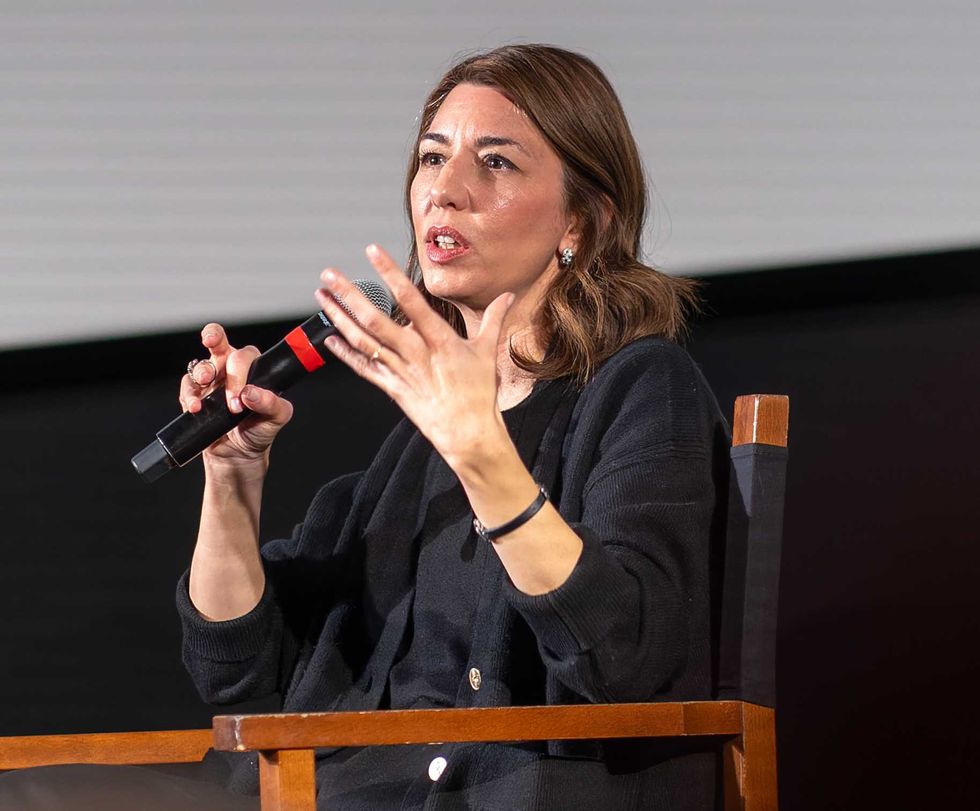 Sofia CoppolaSource: Wikimedia commons
Sofia Coppola’s work is marked by subtlety, restraint, and intimate storytelling. Her protagonists are usually engulfed in loneliness or solitude, and she paints their stories in muted, earthy hues and pastel tones. Each frame exudes impressionistic sensibility as she attempts to draw our attention to melancholy. The lighting is dream-like and seems to transport you to an enchanted world.
3. Guillermo del Toro
Films: Cronos (1992), Pan’s Labyrinth (2006), The Shape of Water (2017), Nightmare Alley (2021), Pinocchio (2022)
 Guillermo del ToroSource: Wikimedia commons
You can identify a Guillermo del Toro movie by his triadic use of color and fantastical worldbuilding. His visuals are all about duality, featuring complex shapes and compositions with fairytale and gothic elements.
His stories often feature oddball characters and monsters, crafted with nuanced depth, from their physical appearances to their costumes. From his amphibious man to the Pale Man, every character is a testament to del Toro’s extensive visual homework that goes in before filming begins.
4. Denis Villeneuve
Films: Incendies (2010), Prisoners (2013), Sicario (2015), Arrival (2016), Blade Runner 2049 (2017)
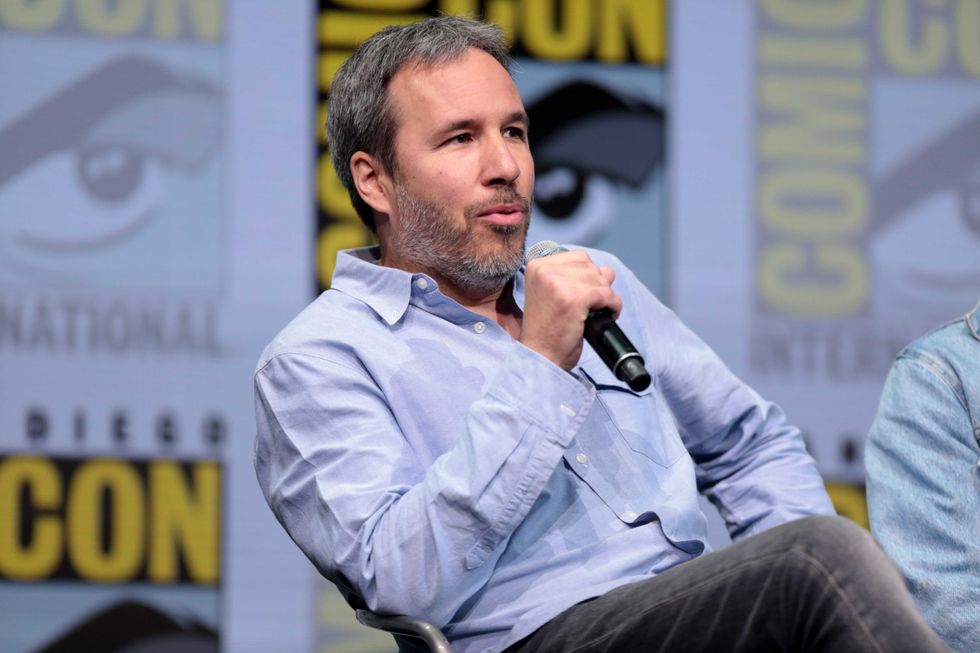 Denis VilleneuveSource: Wikimedia commons
Denis Villeneuve’s visuals stand out because of their contrast. His style of creating contrast through analogous colors by adjusting the brightness and temperature of hues has inspired many filmmakers.
His narratives have minimal dialogue and often rely on visual subtext. Carefully composed frames, balanced lighting, naturalistic visual treatment, and choreographed scenes—you’ll know when you’re watching his movie.
5. David Lynch
Films: Eraserhead (1977), Blue Velvet (1986), Mulholland Drive (2001), Inland Empire (2006), Twin Peaks: Fire Walk with Me (1992)
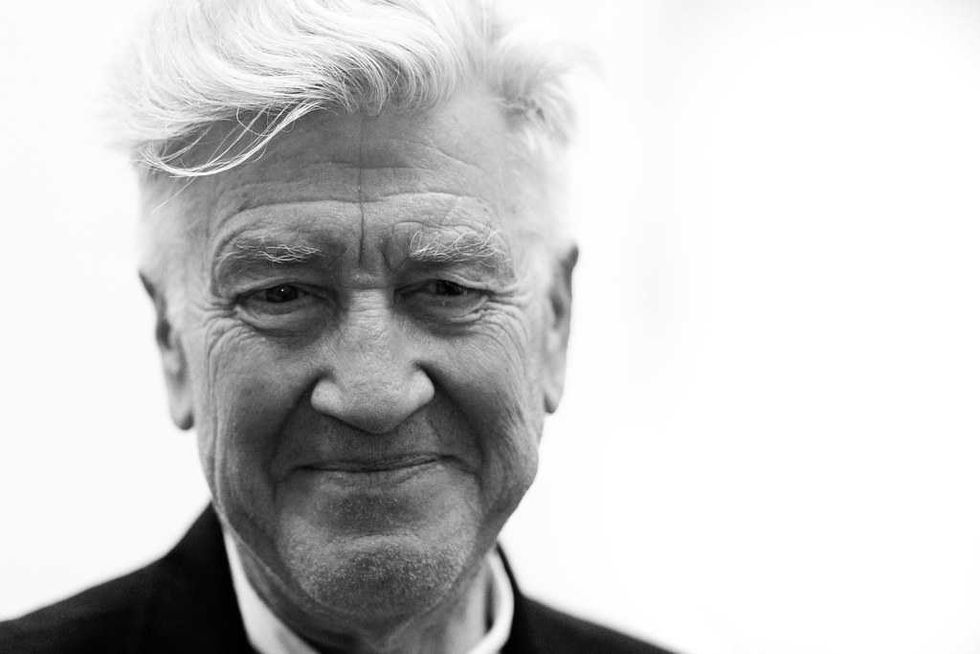 David LynchSource: Flickr
When you cannot really put into words what you see, but you understand every bit of it, you’re probably watching a David Lynch movie.
Lynchian visuals are drenched in symbolism, both literary and sociological. Colors are vivid in his treatment, with his favorites being blue, red, yellow, and black.
Lynchian filmmaking employs color as the primary force in visual narration. Presenting stories in fragments, Lynch loves realistic pacing, with camerawork that often emphasizes stillness to create tension and spotlight the uncanny. In short, only Lynch knows what goes on in his absurd mind, but he’ll make sure he has expressed every bit of it to you in detail. After that, you’re on your own explaining your takeaway to the world.
6. Wong Kar Wai
Films: Chungking Express (1994), Fallen Angels (1995), Happy Together (1997), In the Mood for Love (2000), 2046 (2004)
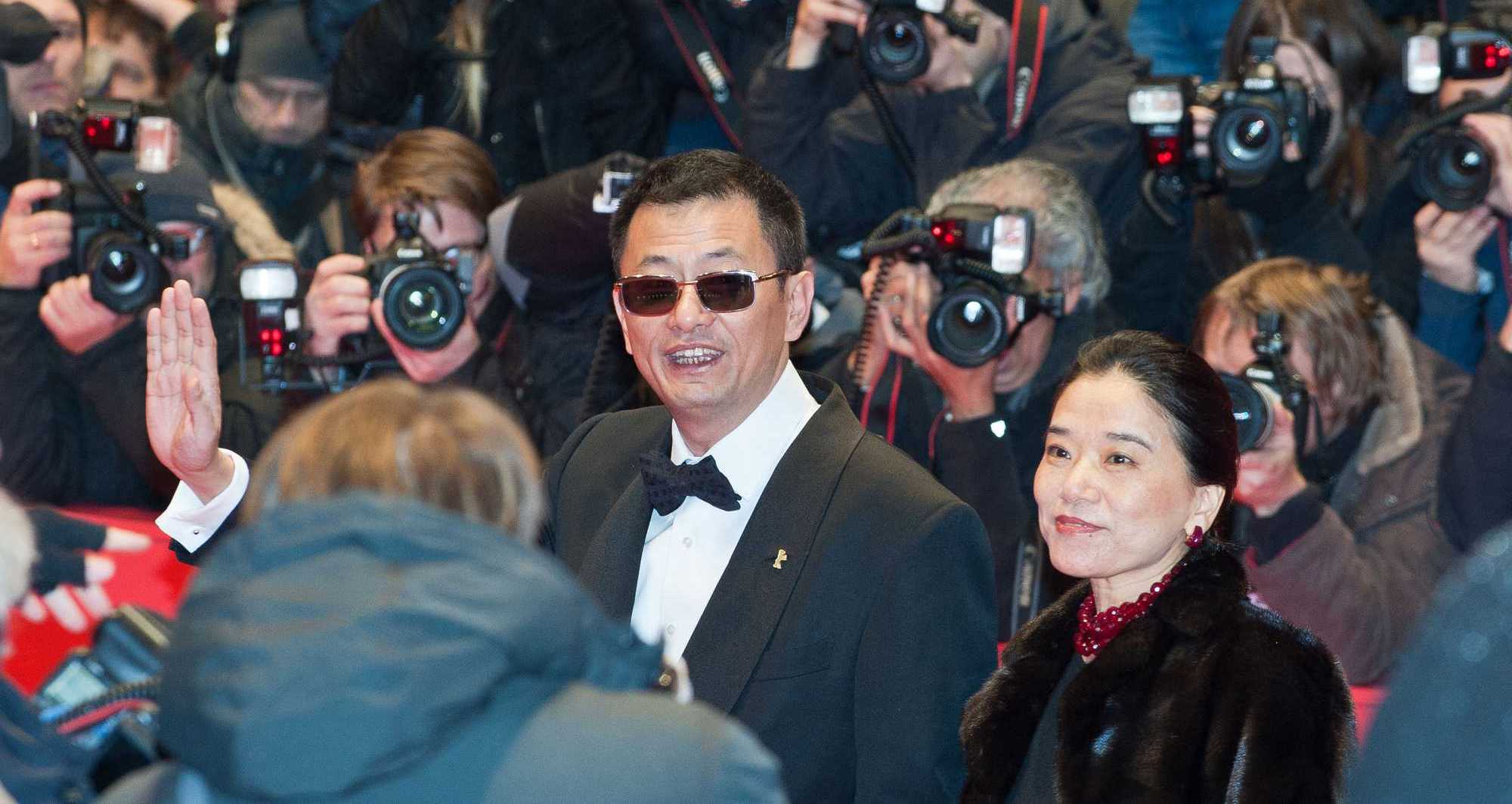 Wong Kar WaiSource: Wikimedia commons
Time feels suspended in a Wong Kar Wai movie—saturated colors, grainy visuals, cutaways that do most of the talking, and motion blur create a dream-like nostalgia.
Neon lights, one color dominating the frame, motion blurs, and dynamic editing—these are the four pillars of Wong Kar Wai’s treatment. Telling stories that deal with the human heart, the filmmaker focuses on creating a mood more than mise-en-scène.
Wong Kar Wai is also widely acclaimed for his masterful use of music. If you’ve watched enough of his films, chances are you’ll know his film just from its background score.
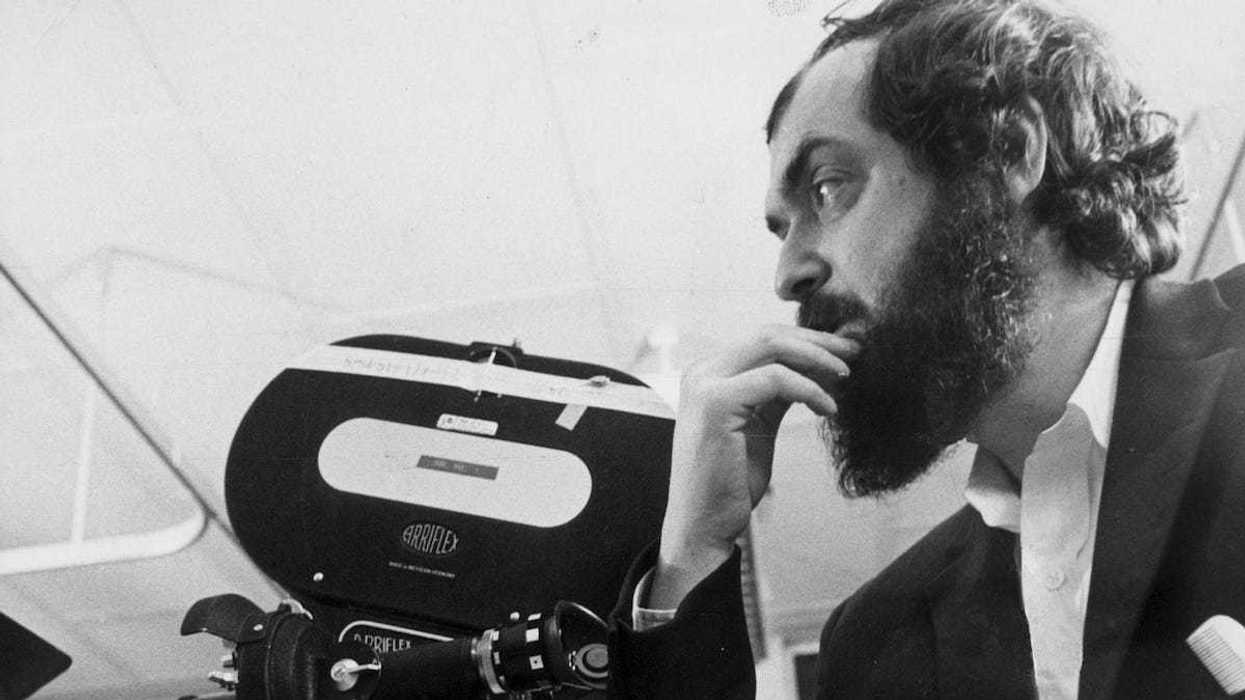
7. Stanley Kubrick
Films: 2001: A Space Odyssey (1968), A Clockwork Orange (1971), Barry Lyndon (1975), The Shining (1980), Eyes Wide Shut (1999)
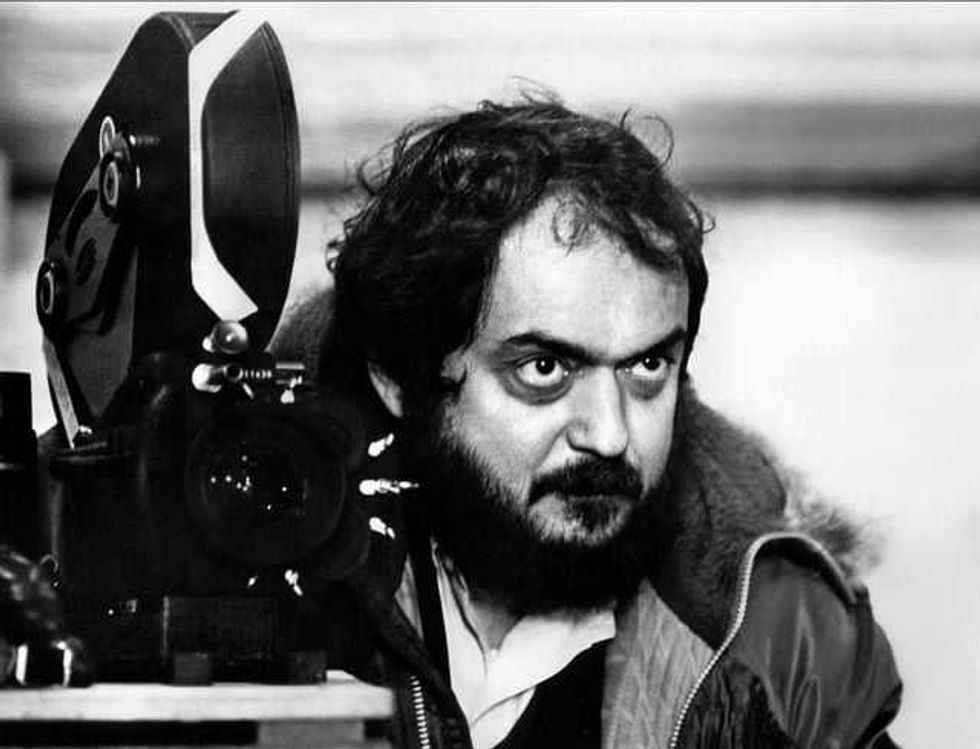 Stanley KubrickSource: The Stanley Kubrick Archive
Stanley Kubrick is synonymous with innovative lighting techniques, meticulous set design, and blocking. His frames reflect uncanny symmetry, and when it's not sci-fi, Kubrick seems to favor naturalistic lighting.
He employs vivid colors, backed by dynamic shots often driven by the film’s blocking. Kubrick is also well known for masterful use of visual motifs such as mazes in The Shining and a Christmas tree in Eyes Wide Shut. His visuals reflect his meticulous attention to detail, exuding a kind of narrative clarity that’s hard to miss.
8. Andrei Tarkovsky
Films: Ivan’s Childhood (1962), Andrei Rublev (1966), Solaris (1972), Stalker (1979), Nostalghia (1983)
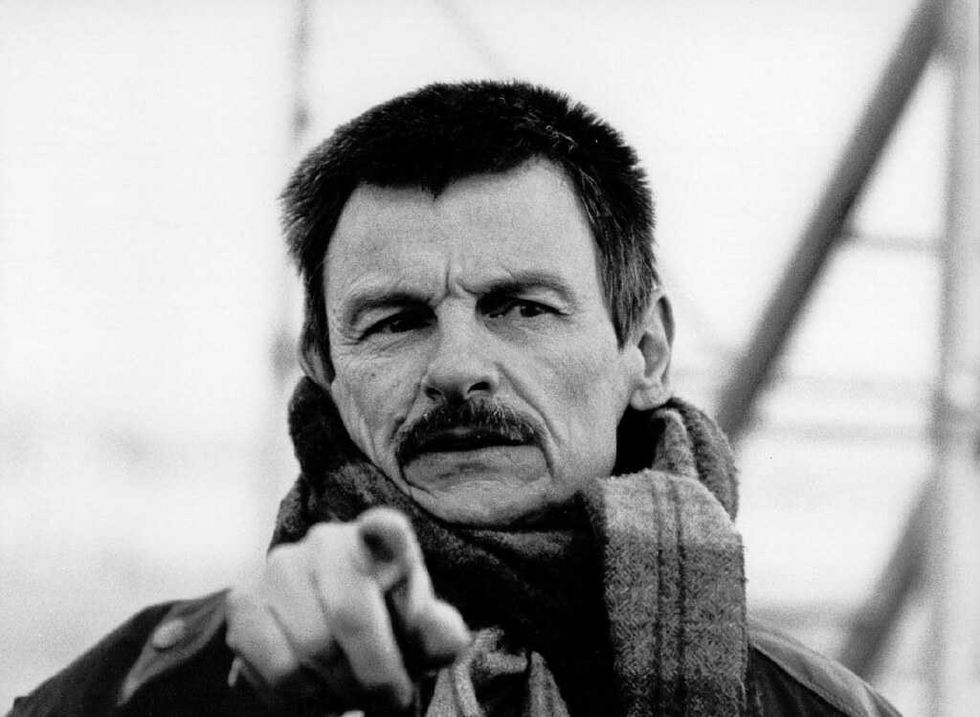 Andrei TarkovskySource: Flickr
Andrei Tarkovsky is notable for his muted colors, washed-out palettes, and color-coded worlds. Using deliberate, slow pacing with extended long takes backed by immersive sound design, Tarkovsky’s camera glides over layered compositions that masterfully integrate characters with their environment and time.
His films are characterized by poetic imagery, blending realism with dreamlike elements against strong metaphors.
9. Tim Burton
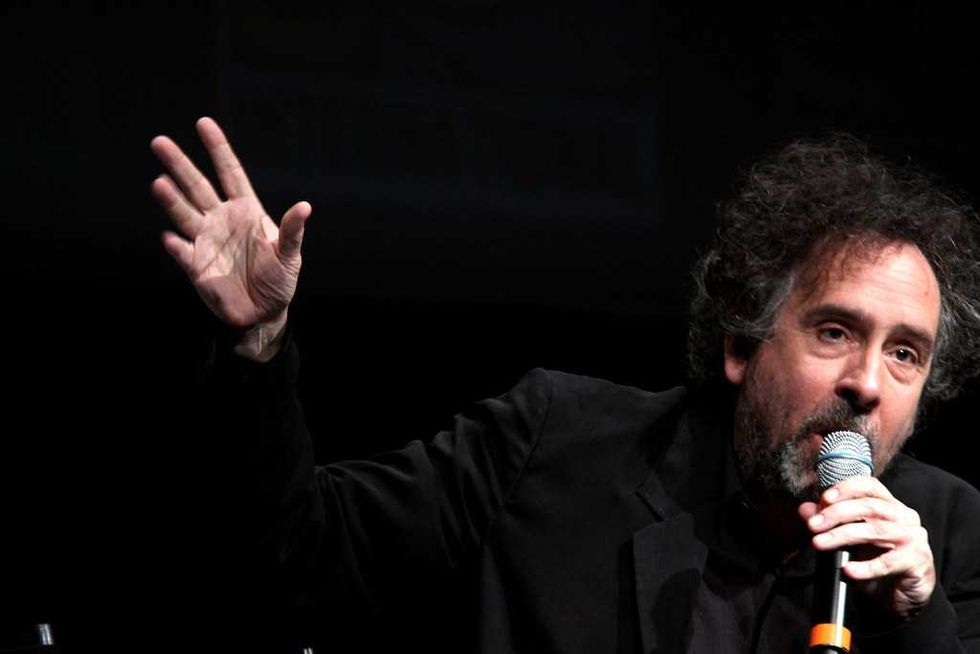 Tim BurtonSource: Flickr
Films: Beetlejuice (1988), Edward Scissorhands (1990), The Nightmare Before Christmas (1993), Corpse Bride (2005), Sweeney Todd: The Demon Barber of Fleet Street (2007)
Tim Burton loves muted monochromatic palettes while telling his stories—grays, blacks, and desaturated tones that beautifully highlight themes of melancholy and alienation. He also plays with color temperature, switching between warm and cool tones in sync with his characters' emotional states.
Texture and architecture play significant roles in his mise-en-scène, supported by the interplay of light and shadow and prominent chiaroscuro techniques, to create tension and fantasy in his visuals.
10. Quentin Tarantino
Films: Reservoir Dogs (1992), Pulp Fiction (1994), Kill Bill: Vol. 1 (2003), Inglourious Basterds (2009), Django Unchained (2012)
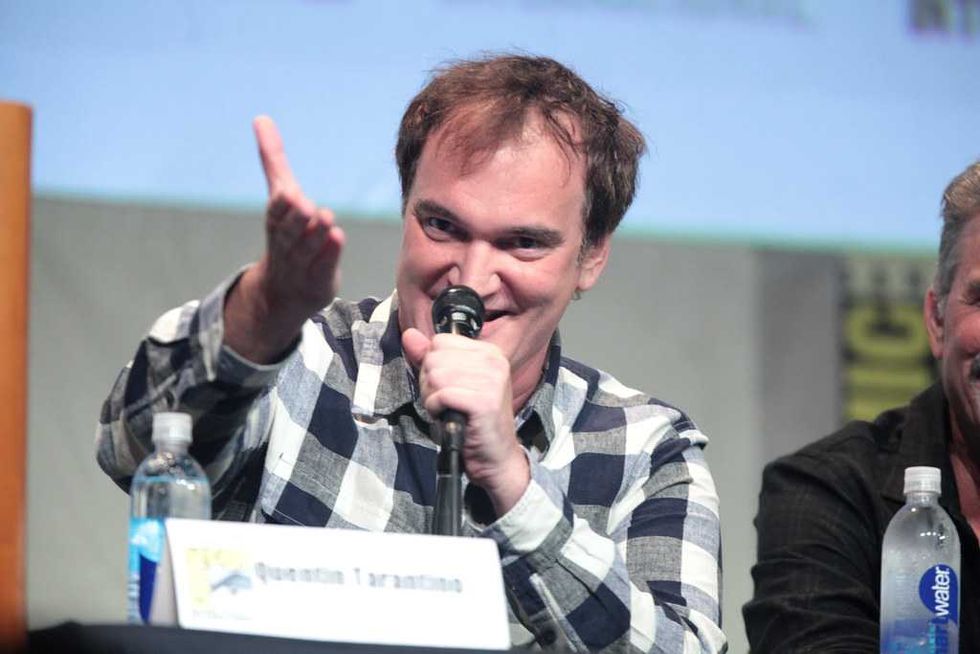 Quentin TarantinoSource: Gage Skidmore, Flickr
Dynamic colors, energetic cuts, and slightly muddled contrast—Tarantino visuals are distinguishable even from a distance. “Starkly vibrant” is his language, and “violence with graceful sophistication” is his forte.
His inclination toward warmer tones is evident in most of his films, combined with pop-art neon palettes, to create contrasts wherever needed. Non-linear storytelling is one of his go-to narrative styles, combined with visual dynamism achieved with a mix of smooth dolly shots, handheld jolts, and long tracking shots.
He has given us some of the greatest action sequences and wittiest punchlines that will continue to inspire filmmakers for generations. If you spot drama that gives you goosebumps, it’s a Tarantino movie.
Who is your favorite filmmaker in the list?
- Discipline: The Secret Weapon Too Many Filmmakers Aren't Utilizing ›
- 'There Are No Rules': Filmmaking Advice from Maverick Filmmaker Jim Jarmusch ›
- What It Really Means to Be an “Uncompromising Filmmaker” ›
- 'Cinema Was the Thing That Saved Me' : Lessons from Self-Taught Filmmaker Richard Linklater ›
- Every Documentary Filmmaker Needs to Know This Statistic ›
- How Do You Deal with Procrastination as a Filmmaker? ›
- Code of a Filmmaker: 12 Principles That All Filmmakers Should Live By ›
- The Quentin Tarantino Approach to Becoming a Successful Filmmaker ›
- Light, Legacy, and the Lived Experience: A Conversation with DP Farhad Ahmed Dehlvi ›