Alright, everybody. Welcome to a quick screenwriting workshop. Today, we're talking about the most important part of your script: the first five pages.
This is the first impression, the moment you convince someone to care.
Let's be real, the people who read your scripts, whether for a contest, at a production company, or as an exec, probably have like a dozen other ones to do before lunch. They're looking for an excuse to put your script down and pick up the next one.
Our job is not to give them that excuse.
So how can you make the first few pages hook the reader in a way that keeps the pages turning as they dive in?
Check out the video below and let's dive in.
Page 1: The Hook
So, Page One. Think of this as your thesis statement for the whole movie. What is it about, and why does that matter? Its only job is to ask a question that the reader needs to have answered.
This is not the time for long, poetic descriptions of the landscape or the "wispy morning fog." We'll get to that. I want an image. I want action. I want something to make me care.
Think about The Dark Knight. We're not with Bruce Wayne in his mansion. We're in the middle of a bank heist with a crew of clowns. It's tense, it's visual, and we immediately ask, "What is going on here? Who are these guys?"
That's your goal. You don't need a car crash (though it can help). You just need to make me lean in. Make me ask, "...okay, what's next?"
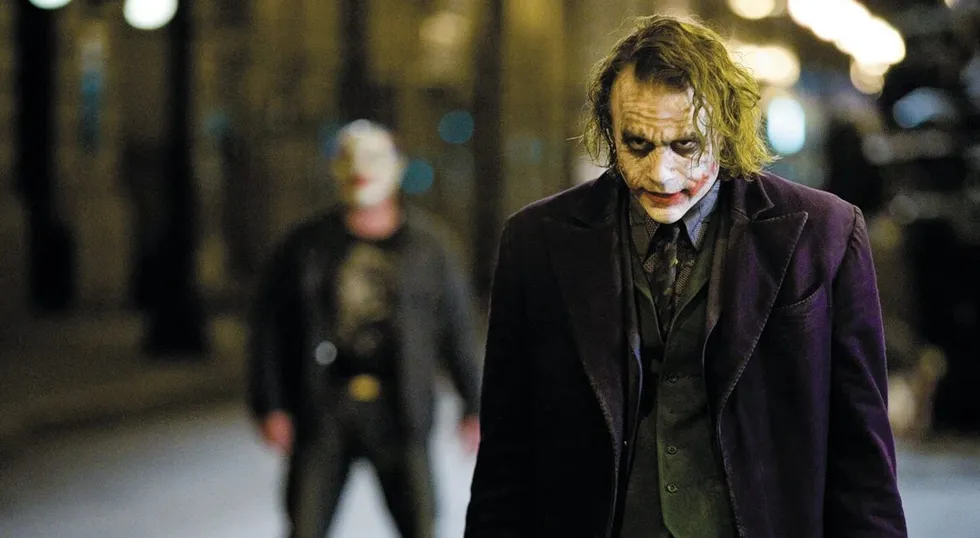 "The Dark Knight' (2008) Credit: Warner Bros.
Pages 2-3: The Character and The World
Okay, you got their attention. Nice. Now, pages two and three are where we meet our hero and see their world.
And here's the number one rule of this class, and frankly, the only rule that matters: Show, Don't Tell. It's the whole game, people.
I don't want to read that your character, "JASON (40s), is a depressed slob."
That's telling. I want to see Jason kick aside a three-day-old pizza box to find one clean-ish sock. That's showing.
Look at Juno. We see her drink a gallon of SunnyD and take a third pregnancy test. In one sequence, we get her character (quirky, young), her world (suburbia), and her problem (oh... she's pregnant). That's such an efficient way to get an entire audience to understand your character right away.
We need to see their "normal world" before we get to blow it all up. This is the "before" picture.
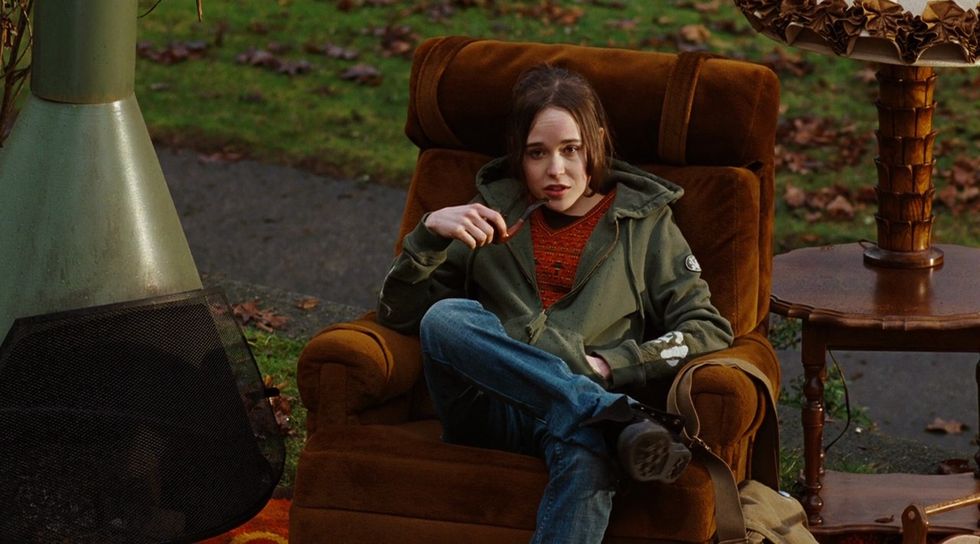 'Juno'Credit: Searchlight Pictures
Pages 4-5: Lighting the Fuse
And this brings us to pages four and five. This is where you plant the seeds that will grow into bigger plot points later.
By the time I turn to page six, I need to know what this movie is about. What's the central conflict? What's the problem? What's the big question that's going to drive the next 100 pages?
Let's go to Get Out. Chris and Rose are packing for a trip to meet her parents. It's all lovey-dovey. Then he asks that one simple question: "Do they know I'm Black?"
That's the movie. The whole movie. The theme, the tension, the danger—it's all right there in that one question.
More importantly, it's a promise to the reader (and the audience) of what's to come.
You're showing them the ride you're about to take them on and why they should buckle up.
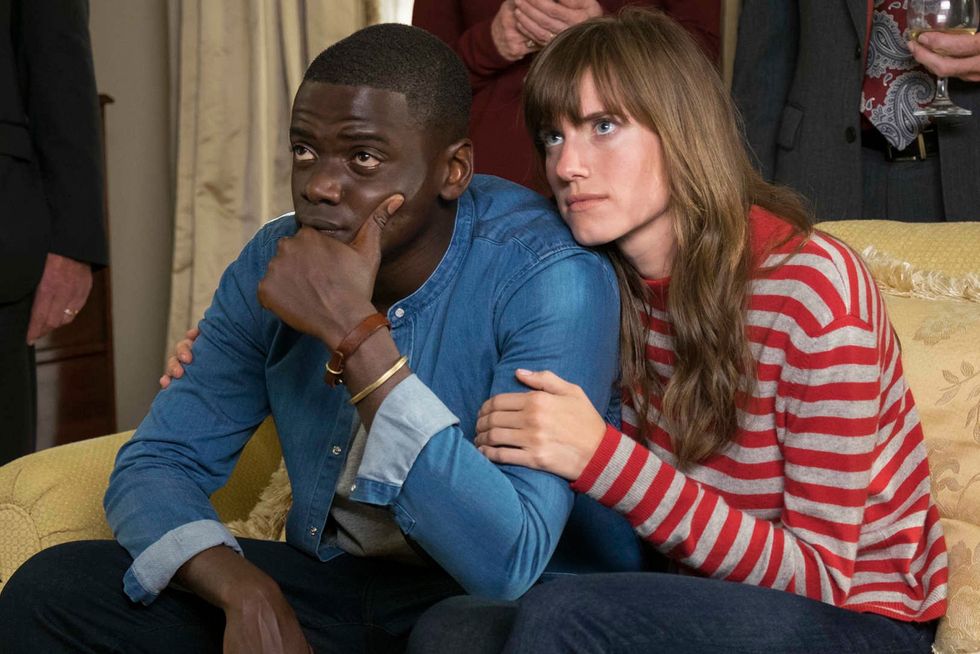 'Get Out'Credit: Blumhouse
Why I Use Celtx
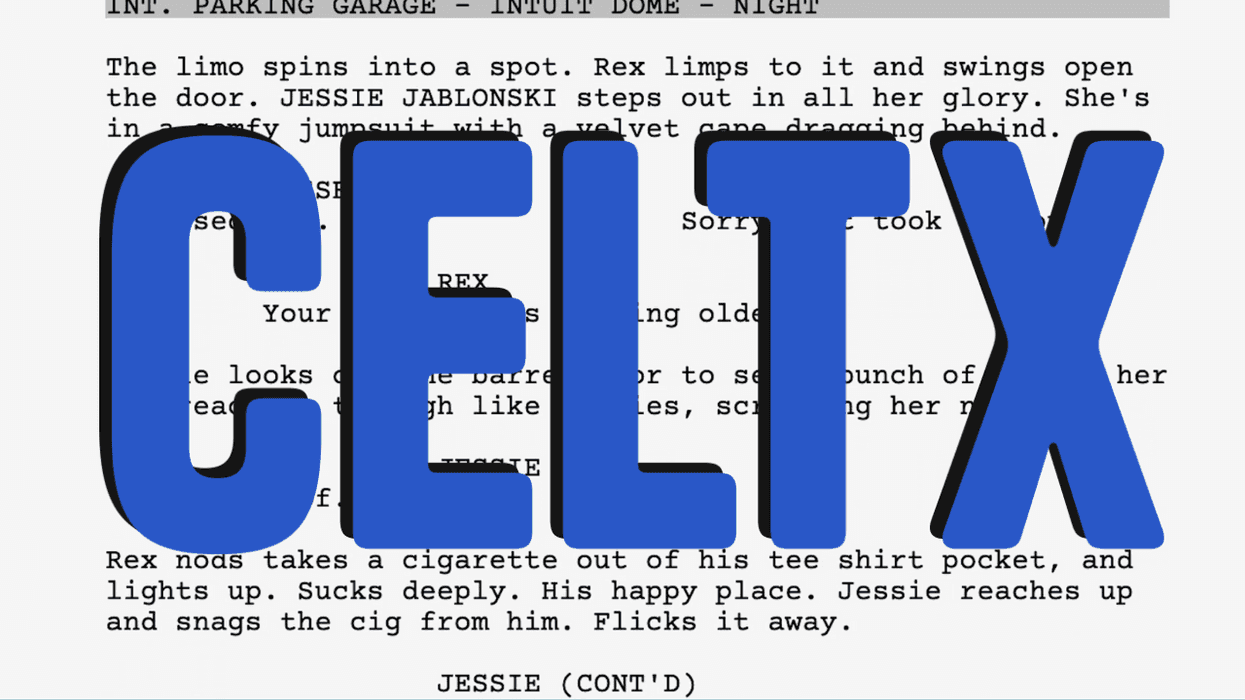
When I'm trying to break the world and characters of a new story, I don't want anything to hold me back. That's why I've been so impressed with Celtx. Its intuitive software and easy keystrokes help me focus on writing the story.
Elements like night mode make it much easier to leap out of bed in the middle of the night and get all your ideas out to polish in the morning.
And the drafts feature makes it easy to scrap those ideas and stay the course on what you had beforehand.
If you're in the market for some software for all your screenwriting needs, check it out.
Summing It All Up
Go back to your scripts and look at those first five pages with fresh, cold eyes. Ask yourself, "Am I giving them a reason to turn the page?"
Make that answer a resounding "yes."
Let me know what you think in the comments.