In a time when independent filmmaking is more accessible than it’s ever been, the intimidation factor is still the number one thing that holds creatives back from taking the big leap.
Filmmaker Wade Patterson sat down with Film Courage recently and offered some tips for filmmakers to make this process feel a whole lot less scary. Let’s discuss.
Don’t Rush an Idea
There’s a high level of pressure put on artists to make sure that they have a killer idea that they’re burning to tell before they even think about putting pen to paper. While having an idea like that would certainly help, waiting on the perfect one can sometimes be a fool’s errand. There is a lot of empty space and time that you may be wasting while you’re ruminating on themes in your head, and coming up with dozens of potential ideas that may or may not “speak to you” in that way.
It’s certainly important to keep a backlog of all of your ideas. Never just throw something away after you think of it because you’ve convinced yourself it’s not your masterpiece. A lot of filmmaking comes down to timing, and this is also true when it comes to finding a story or a theme that feels personal to you. Something that you think is underdeveloped or unnecessary may speak to you in so many new ways in just a few years. Never let an idea completely slip away.
Also, just to get experience, try building a story off of something that you think may not work. Any experience is good experience, and it’s better to waste a potentially lackluster film on an idea that wasn’t that special to begin with, as opposed to feeling like you butchered your million-dollar idea.
Be Patient With Your Limitations
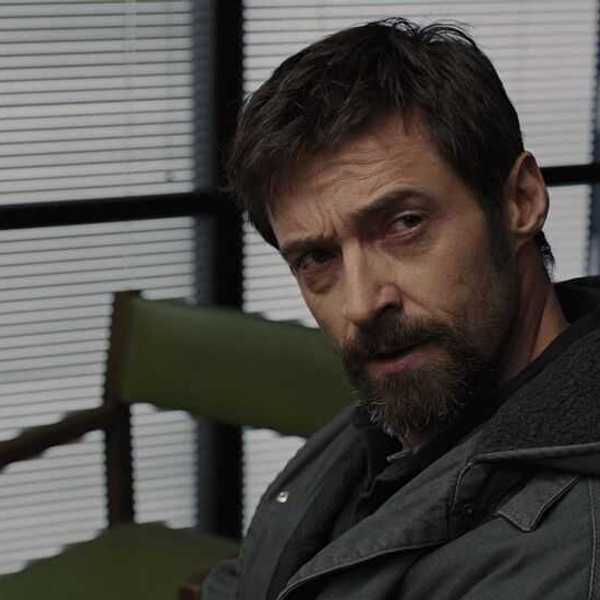
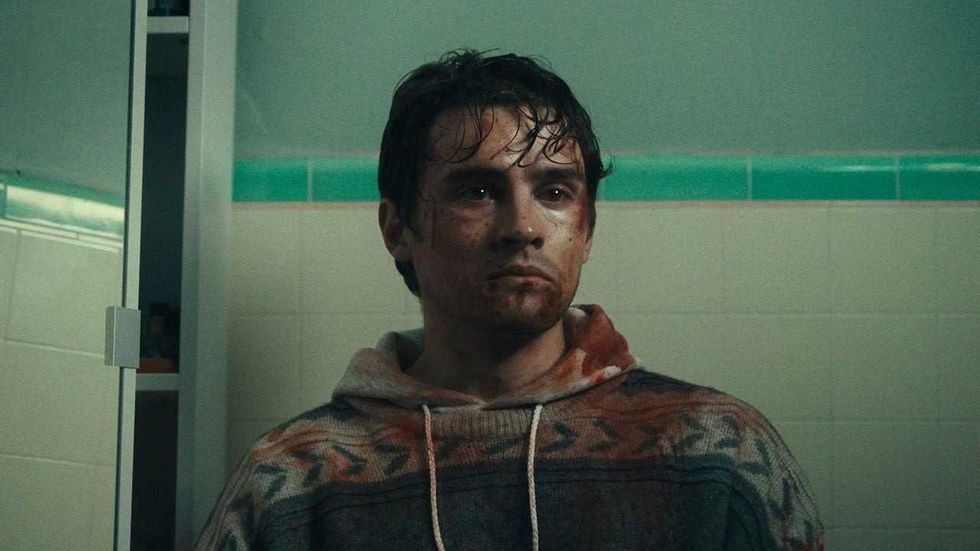 ‘Obsession’Credit: Focus Features
Filmmaking takes a lot of time. It takes even more time the less money you have stored away when you start. Everyone knows that principal photography can take a very long time, and even after you think it’s over, there’s still the concern for potential reshoots or pickups. But the post-production process can be deceptively tedious.
I’ve seen it sneak up on filmmakers time and time again, becoming the most time-consuming, headache-inducing part of the process. Equipment and software become less accessible and more complicated; the experts have loads of other projects that take priority over yours; stuff isn’t lining up or sounding like you had envisioned; it’s the step of the process that requires the most sacrifice.
I’ve also seen many first-time filmmakers lose steam in this stage because, to the untrained eye, they’re the first artist to ever have these issues and all of the masterpieces that inspired them were fully formed masterpieces from the start. Once you’ve done this a few times, you know for a fact that’s not true. So many films that we call masterpieces today are hated by their creators for not being able to take a step back and see the film separately from what they originally envisioned. I don’t want that for you. I want you to be able to love your own movies. Embrace the sacrifice, love the changes you make, be patient with your mistakes and your limitations. Most people won’t care. I promise.
Be Weary of Indie Traps
Two of the most common styles for smaller, independent projects are the road movie and the chamber piece movie. Both settings offer tremendous potential for a story to be fulfilled with as little funding as possible. However, both have very distinct traps that are even easier to fall into and are important to be wary of if it’s the route you choose.
The road trip movie allows you to maximize locations that characters can find themselves in, which is a good way to improve the pacing for a story that may not have the most eventful story arcs. With that said, road movies can often overprioritize this compensation to the point that the film becomes stale anyway since there is too little of an emphasis on characters and their growth.
The inverse can be true about character-driven chamber pieces. If you have a limited number of characters trapped in one semi-isolated location, there is extraordinary potential to have deeply moving and cathartic arcs for everyone involved. With that said, it can become significantly more challenging to make the environment visually interesting throughout and keep the pacing flowing as a result. Cinematography and its originality do a lot more for the pace of a film than some realize, and reusing the same style of shot in the same location for too long can outdo a lot of the good that the character work may be doing.
Bringing Everything Together
At the end of the day, it’s really the most important that you give everything a shot. You won’t know if you’re doing something incorrectly unless you’re given feedback on it, so make sure to treat each piece of feedback like you’re one step closer to maximum improvement. Making a movie is incredibly difficult, and often seems impossible. But once it’s done, no matter how many flaws in it you can pick apart, it really feels like you’ve achieved a miracle.