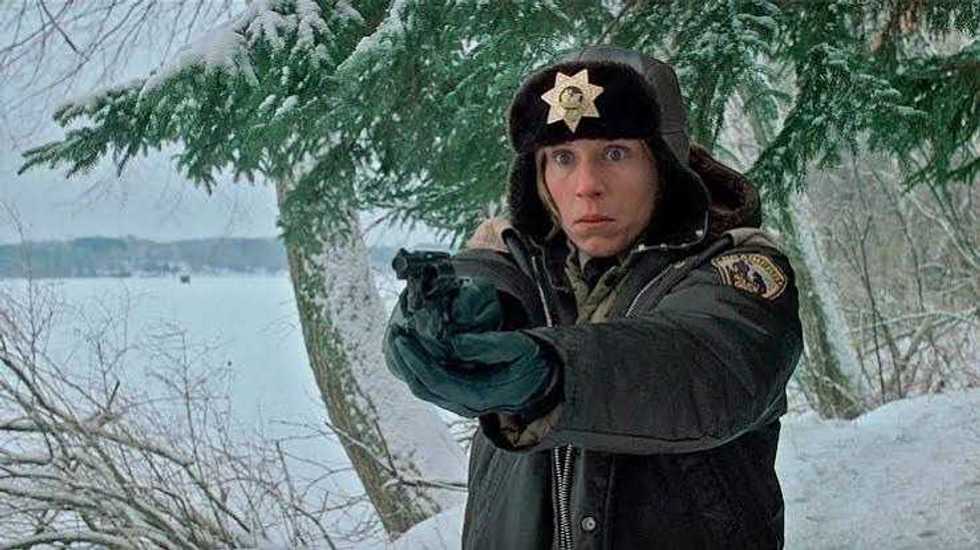
The Coen Brothers’ iconic black comedy, Fargo, has now captivated audiences for thirty years. The film’s singular blend of comedy, drama, and violence further cemented the filmmakers as a powerful new cinematic voice. At the heart of the film is Frances McDormand’s Oscar-winning performance as pregnant police officer Marge Gunderson.
Many argue that it’s the role that made her a legend. I agree, and think a key scene at the end is what ties it all together. Let’s discuss.
Who Marge Is Up to the End
Marge is an exceptionally dynamic character. So much of the humor of the film hinges on her peppy, can-do attitude mixed with a very aggressive Minnesotan accent. She has a beautiful relationship with her husband; she’s expecting her first child with him, she loves her job, and despite how she may present at face value, she’s phenomenal at it too.
She’s also seen throughout being deeply empathetic to the people around her, even when they’re behaving rather strangely. The now iconic interaction she has with Mike Yanagita (Steve Park) in the restaurant is a prime example. He’s socially awkward and is clearly making her uncomfortable, but she still does her absolute best to comfort him and be there in his time of need.
Even with the characters she’s investigating, like Jerry Lundegaard (William H. Macy), she is visibly suspicious every time they talk. However, she puts aside her assumptions and always gives him the benefit of the doubt until she catches him in too many lies to ignore. This is not done out of ignorance, but out of a belief in the inherent goodness of the people around her.
Everyone Else is Sleazy
 ‘Fargo’Credit: Gramercy Pictures
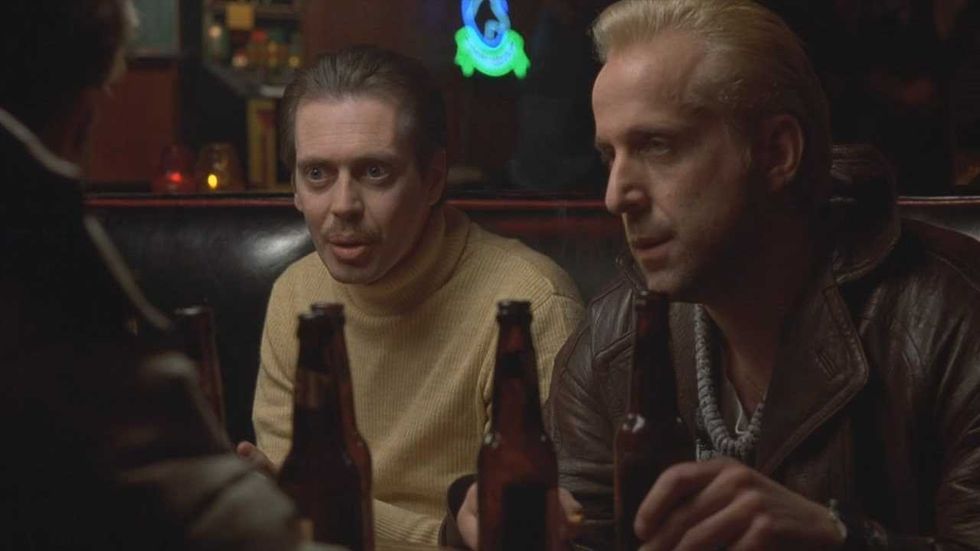
In addition to following Marge and Jerry, we also spend a good amount of time with the criminals Carl and Gaear. They lie, steal, cheat, deceive, and assault their way through the film all the way up to the very end. They can’t even stand each other. They bicker about where to eat, they can’t agree on the temperature of the car, and it seems like they would rather be anywhere than with each other for every scene they share. In fact, it’s their hatred for each other that winds up being their undoing.
Carl winds up killing an unsuspecting Jean for not being able to stay quiet, and in the heat of an argument afterwards, Gaear kills Carl with an axe. He attempts to chop his body up in a woodchipper when Marge finds him and takes him into custody. Unfortunately, it was already too late for Jean.
Marge’s Message to Gaear
Here’s where it all comes together. While driving Gaear back into custody in the squad car, Marge seems to have lost just a little bit of her spark. She can’t wrap her head around such a bloodbath of a conflict arising over something as trivial as a money squabble. She drops her happy demeanor for the entire scene, and delivers the most poignant lines in the film to Gaear: “For a little bit of money? There’s more to life than a little money, you know. Don’t you know that? And here you are…and it’s a beautiful day.”
That final sentence hits particularly hard, because she’s absolutely right. It’s a gorgeous day outside, and even you as the viewer likely haven’t even taken notice of it. The things that should matter in life and in relationships have been completely lost on nearly everyone in the film that Marge has been forced to deal with. It’s no wonder why she’s talking rather cynically here.
McDormand’s performance in this scene is in such stark contrast from the previous hour and a half that it has the potential to level you, emotionally. Her character clearly recovers emotionally by the end, as the final image is her snuggling up in bed with her husband. But it’s this personal reminder to her that not everyone has it as figured out as she does that remains devastatingly haunting. It’s certainly a moment that I’ve never forgotten since the first time I saw the film.
How McDormand’s Roles Have Evolved
 ‘Fargo’Credit: Gramercy Pictures
Frances McDormand today is known for her singular, palpable sense of range. She can play anyone from Lady Macbeth to a lonely Nomad in the southwestern United States. The central trait at the center of nearly all of her characters is a fiercely passionate sense of independence and desire for justice. Whether it’s criminal justice in Three Billboards Outside Ebbing, Missouri, or personal justice for her neighbors in Nomadland, her characters are often defined by their loyalty, compassion, and strong sense of grit.
All roads seem to lead back to Fargo. The film wasn’t her debut performance, but when you look at the defining traits that would come to shape her career, her performance as Marge Gunderson has all of them wrapped in a tight, 98-minute package.