Did You Know? Fargo Isn’t Based on a True Story — And That’s the Joke
The film’s opening title card is a deliberate narrative prank that shapes how audiences experience its darkly comic violence.
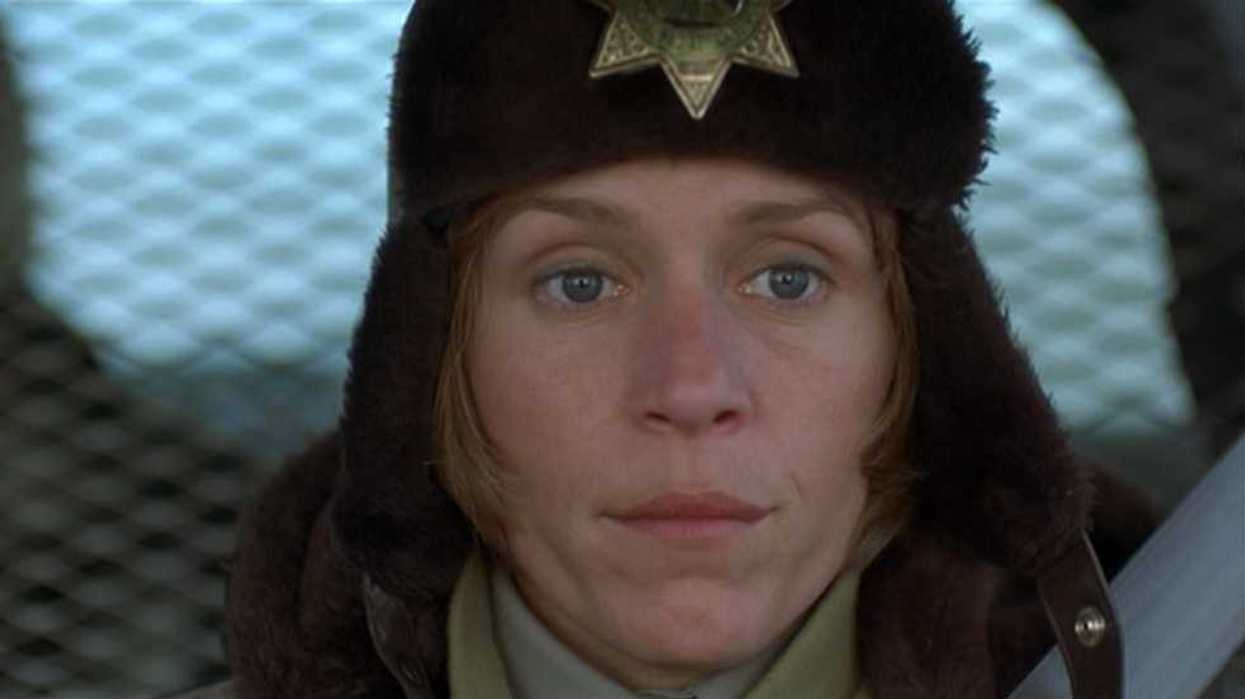
Fargo (1996)
Fargo (1996) opens with a disclaimer card that claims “this is a true story.”
Except that it isn’t.
We have a tendency to assume anything that appears on the screen before the film’s first frame to be true. And there is no reason why we shouldn’t. It’s basically just identifiers, production logo/animation, credits, and, if applicable, a disclaimer card.
And that’s the problem with the true-story disclaimer card in Fargo; it wasn’t applicable. It wasn’t applicable, because the events of the movie are neither true nor based on true events. Then why cheat?
Well, why not? That’s called “narrative cheating,” and it’s actually a thing. It’s a part of the whole “cinematic experience” deal. The Coen Brothers used this card to pre-decide how you are going to watch and perceive the film. And that’s exactly what happens. The card shifts how the whole film plays.
And the true smarts behind the trick is that it’s presented with a straight face. Since it doesn’t feel like we are being teased, it doesn’t feel exaggerated. Just your regular disclaimer—loaded with deception.
And when this trickery settles in, it sharpens the movie’s deadpan tone. It also makes every crazy decision, every clumsy crime, and every polite Midwest-accented conversation feel real.
After all, it’s a “true story,” innit?
The Coens’ Fake “True Story” Card
Before the movie starts, the Coen Brothers slap the audience with a disclaimer card. It looks pretty plain, simple, and genuine. The audience sees it and, without their knowledge, agrees with the claim: the characters they are going to meet, the events that are going to unfold, are real. And just like that, a somber, documentary-like tone is set.
The way the card is written also makes the impact. Words like “...exactly it occurred” give the claim credibility because they sound official. When fans later asked which specific parts were true, it came as a confirmation that the trick had landed. The card was not meant to fool people in a harmful way. It was an attempt to make them focus on the story like they would on a real event.
Fargo’s Tone: Dark Comedy Meets Realism
The film is famous for its characters’ Midwestern politeness and plain mannerisms, as well as the homespun visuals with a desaturated color palette. At times, it feels like a documentary of a real-life police case. This mental preparedness—for watching the “dramatization of real life events”—let the film’s dark humor land with a dry punch. Many times, viewers laugh at a scene because they think the moment is too bizarre to have been invented.
When the violence comes, it comes suddenly and without any indication or melodrama. It shakes the movie’s emotional rhythm. What could have been a quirky crime drama, the earlier disclaimer causes it to feel rooted in reality. It also highlights the contrast between the regular civilian characters and the idiotic criminals. This is how the disclaimer, or the joke about the truth, becomes a tonal device that goes on shaping every event that follows. It even impacts our understanding of the bleakest scenes.
Why the Fake True Story Worked
The card appealed to the ‘90s fascination with crime stories that promised realism. Back then, there was a trend of documentaries, tabloid stories, and “breaking news” specials that claimed they were real. The Coen Brothers simply exaggerated the trend by offering a completely fabricated version of the truth. At the time, people believed it. Even today, unsuspecting viewers might believe the claim. However, now, since the actual truth is out in the open, the opening gag has become a topic of debate in film schools.
If you must, you can find some crumbs of cursory truth in this claim. The makers took some small details from unrelated real-life events, none of which matched the movie’s narrative, and planted them here and there across the narrative. These details were more like inspirational mood pieces rather than actual case files.
The wood chipper scene, for example, was loosely connected to a single crime story, and that too not in the same context as it is shown in the movie.
Over the years, this tiny card snowballed into a legend, convincing the audience that the movie was indeed a true story.
The Opening Card’s Legacy
The card became one of cinema’s most famous storytelling devices. It shaped how later films played with truth, reality, and audience expectations. Even the Fargo TV series adapted the joke and turned it into part of the franchise’s identity.
The Coens never treated the lie as a stunt. For them, it was a tool to set the tone before the first frame appeared. It still continues to influence how filmmakers think about narrative honesty today.
Conclusion
The brilliance of the opening line is its simplicity. The Coens let viewers walk into the film with the wrong assumption, then built an entire tone around that tiny misunderstanding. Their joke reshaped the way people talk about the movie.
It works because it is quiet, confident, and playful. And like the best cinematic tricks, it stays funny long after you know the truth.
- Scorsese and Ebert's 'Fargo' Review Is the Best Thing You'll Watch ... ›
- The Directors and Stars of 'Fargo' Reflect on the Movie's 25th ... ›
- How the Coens Wrote Their Neo-Western Masterpiece 'No Country ... ›
- Watch: Here's How the Coen Brothers Use Sound to Strengthen ... ›
- 17 Rules of the Coen Brothers' Cinematic Universe | No Film School ›
- Spend an Hour with the Coen Brothers as They Explain the Opening ... ›
- Are the Coen Brothers Finished Shooting on Celluloid? | No Film ... ›
- "If It Ain't On the Page, It Won't Be On the Stage": 4 Filmmaking Lessons from 30 Years of 'Fargo' ›
- The 'Fargo' Scene That Made Frances McDormand A Legend | No Film School ›