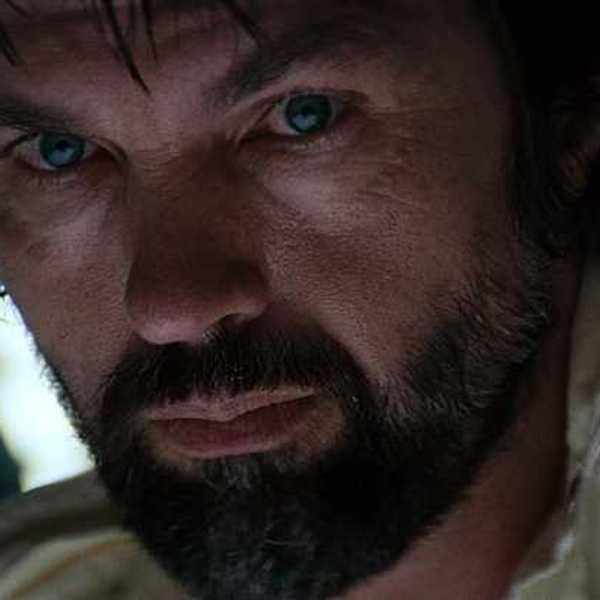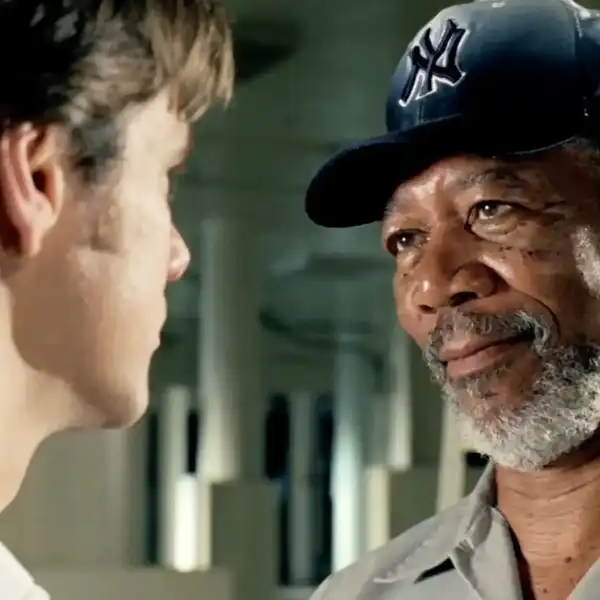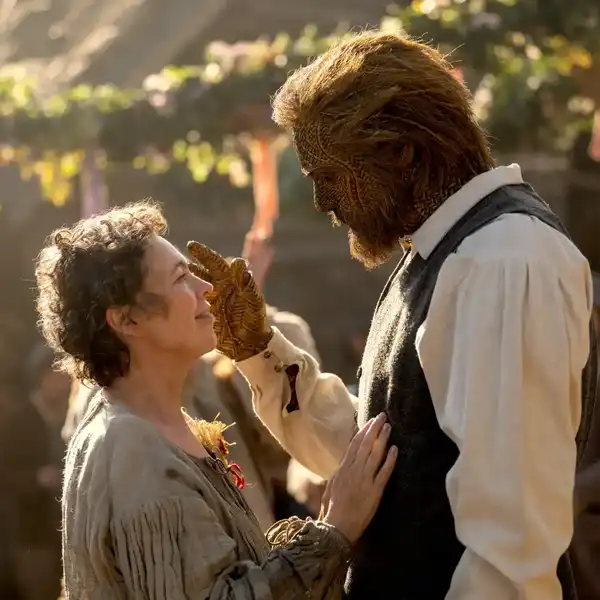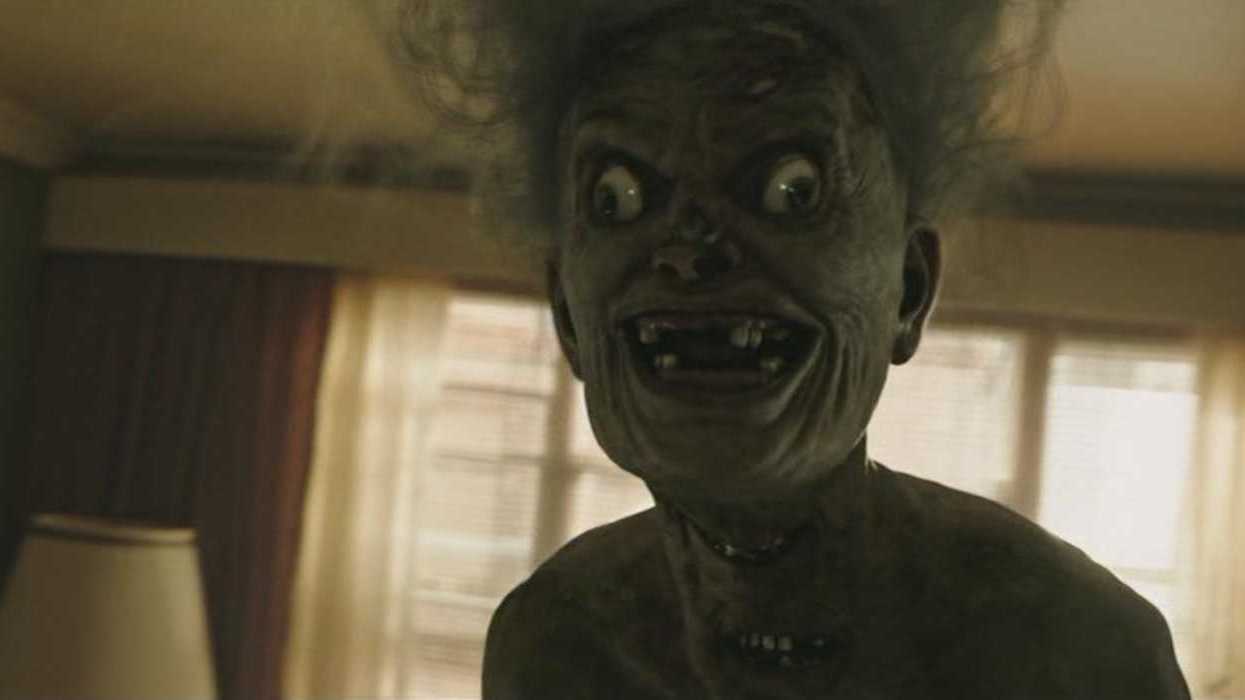
A video from Jedi Brooks popped up on my feed recently as I was digging into the behind-the-scenes of the first episode of Welcome to Derry. The show was proud of its practical effects in that horrifying early scene, and it's clearly resonating with shocked viewers—but not every project sees the same value in working with practical effects on set.
In his video, Brooks breaks down how modern horror keeps fumbling what should be terrifying moments by drowning them in mediocre CGI, and the examples are kind of painful to watch.
Is modern horror relying too much on the quick and easy fix of CGI?
Or is it not just a horror problem? Maybe it's something that bleeds into every genre.
Check out the video below.
- YouTube youtu.be
Putting a Hat on a Hat
Brooks highlights the 2011 The Thing prequel, in which Amalgamated Dynamics built practical creature effects that were actually horrifying. The actors had something tangible to react to as twisted figures chased and overpowered them.
But studio interference meant their hard work got buried by what many feel is poor CGI.
Amalgamated Dynamics' Tom Woodruff Jr. told FEARnet:
"In trying to progress to the next level, I think we've chopped a lot of techniques and options out of our approach that weren’t necessarily right decisions to make. In a quest to be part of the newest cutting edge, a lot of stuff gets kicked out the back door, things that are still very effective if done right. To me, simplest is always the best way. Simple means small and personal and to me what we achieved with practical FX and animatronics and puppets and all that stuff really is small and personal and tactile. It’s actor to actor. It doesn’t show everything all in one swoop. It was important for this type of a movie."
The final product, many fans think, was not as strong as it could have been, especially since Amalgamated Dynamics revealed some of their test footage, which felt really real and looked cool on top of everything.
The CGI in the final product was bad enough that fans have called for an "Amalgamated Dynamics cut" of The Thing.
Amalgamated Dynamics' Alec Gillis is fairly grounded about it, knowing that today, films will almost always have a mix of CGI and practical effects. He told FEARnet:
For a contemporary horror movie that has to do with transformations and bodies splitting open and limbs changing, there has to be a CG element, and the things that Image Engine have done are some photo-realistic CG work. It felt like everything was lining up to be as good as it could possibly be. I don’t think we’re quite as hard on the digital work as a lot of the fans that we read are about it. I also think it’s a different era. Tom and I really appreciate the outpouring of support for practical.
The same thing happened with I Am Legend. Practical designs were created, then abandoned in favor of a fully digital approach that just doesn't hold up.
- YouTube www.youtube.com
Brooks also points out the contrast between the original Nightmare on Elm Street and its remake.
Wes Craven's team built a fully rotating room, nailed down furniture, strapped in the camera crew, and got a great performance to sell Tina's death scene. Decades later, it's still effective.
The remake put someone on a wire, added some digital effects, and created something that doesn't quite work.
One version did the hard creative work. The other took shortcuts.
When you can "fix it in post," you stop solving problems on set. You stop pushing for better performances, better choreography, better shot composition. CGI becomes permission to be lazy. As legendary effects artist Mark Shostrom told us, actors need "something real to react to."
 Deep Blue SeaCredit: Warner Bros. Pictures
Effects Should Serve Emotion
Effects need to serve emotion, not replace it.
Digital tools are incredible when used correctly. Nobody's going to argue that Thanos isn't an achievement. But when filmmakers treat CGI as a magic wand that solves every problem, they can lose sight of what actually connects with audiences.
The smartest approach combines techniques. Jurassic Park still looks great because it blended practical dinosaurs with digital enhancement.
Mad Max: Fury Road did real stunts, then used CGI to extend and enhance what was happening on screen.
For horror specifically, restraint matters even more. Less is often more.
The original Jaws terrified audiences partly because they saw the shark so little. Our imaginations filled in the gaps. But when you shove a fully rendered CGI creature in someone's face for extended screen time, you're inviting them to spot every imperfection.
Figure out what you actually need to achieve. What emotion are you chasing? What moment are you building toward? Then choose your tools (practical, digital, or both) based on what serves that goal.
Don't let technology become a substitute for doing the hard creative work. Audiences can always tell the difference.