5 Hero Tropes That Work Every Time
Plus our favorite examples from film and TV.
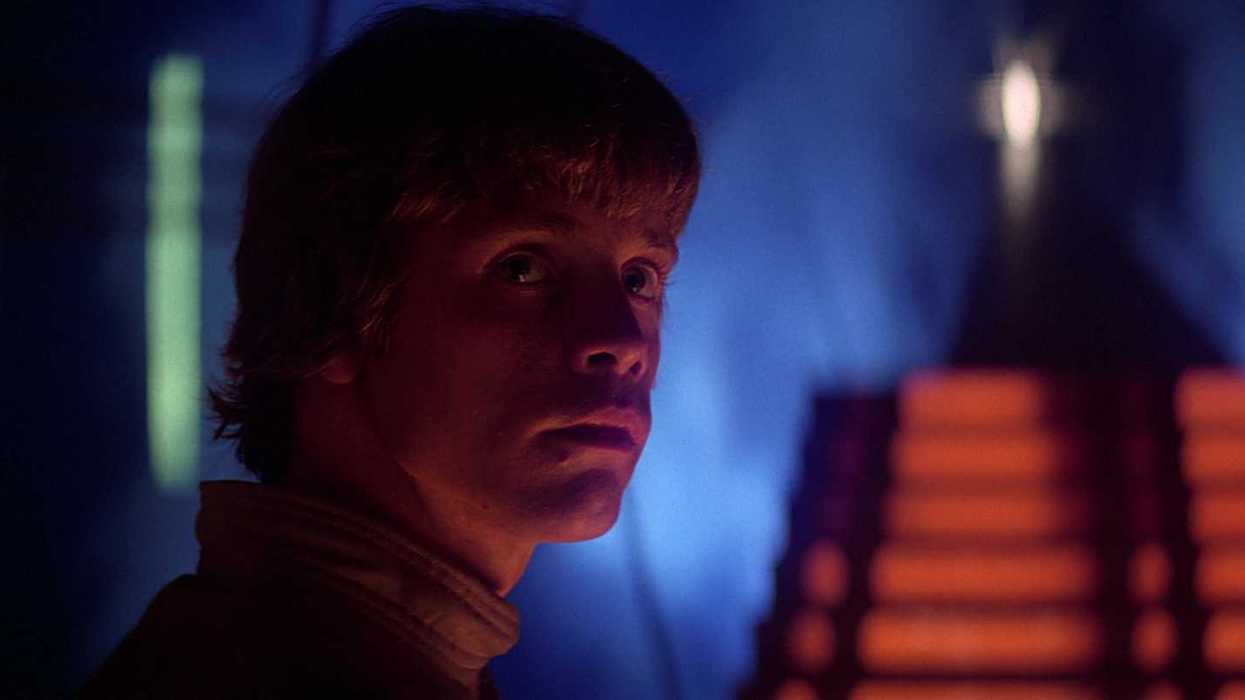
The Empire Strikes Back
We bet if you were asked, you could easily name five film or TV heroes off the top of your head. Chances are, a lot of them would share the same characteristics.
Being a hero doesn't always mean saving the galaxy or creating a super-suit. There are heroes in small, quiet dramas, comedies, and romances. But when they face obstacles, the hero is often brought low and forced to rally, or they're selfless for their chosen family, or they never give up.
Writer Brandon McNulty breaks down the hero tropes he loves most in his video below, and honestly, these patterns show up in some of the best stories we know. (You don't have to use all of them, of course. Sometimes one well-executed trope is all you need.)
So let's go through these tropes and how they can help your screenwriting.
- YouTube www.youtube.com
Found Family
The found family trope is beloved for a reason. Everyone wants connection and to feel accepted.
In this trope, a hero without strong family ties forges connections with unlikely companions. These relationships become as meaningful—sometimes more so—than traditional family bonds, built on choice rather than obligation.
This trope works so well because it taps into a universal desire for belonging. The dynamic works when characters challenge and uplift each other organically. Their connection creates opportunities for conflict, growth, and emotional beats.
You can find examples of this trope everywhere because it's so dang reliable. Take Alexander Payne's The Holdovers. Paul Hunham, a disliked history teacher, Angus Tully, a troubled student, and lonely cook Mary Lamb all spend Christmas together and find comfort in their connection. All of them become richer and more relatable characters because of it.
Understanding how to develop three-dimensional characters is crucial when building these relationships.
- YouTube www.youtube.com
Bounceback
Heroes don't always do the perfect thing. Great character arcs often rely on failure. A protagonist makes a catastrophic mistake, then transforms that low point into a catalyst for growth, emerging stronger and wiser.
Let's look at Iron Man. Tony is a brilliant but arrogant weapons manufacturer who doesn't think about the consequences of his work. His convoy is attacked in Afghanistan. He's wounded by one of his own weapons and taken captive. He's dying with shrapnel inching toward his heart. Things just keep getting worse.
But instead of accepting defeat or giving the bad guys what they want, Tony learns from this experience. He builds the Arc Reactor to keep himself alive and creates the first Iron Man suit to escape.
This proves to be a moment of character growth for Tony, whose worldview changes and makes him the hero the world needs.
For more on this, check out what makes transformative character arcs work.
- YouTube www.youtube.com
Refusal to Quit
Audiences respond to characters who refuse to surrender. They keep going through sheer force of will.
As McNulty points out, this trope works best when the hero is alone or abandoned, and things look impossibly bleak.
McNulty looks at Rocky as he fights Apollo Creed, the heavyweight champion of the world. When things get rough, Rocky doesn't quit. He fights to get back up.
Another great refusal to quit example is Die Hard. John McClane faces overwhelming odds throughout the entire film. He's barefoot, outgunned, outnumbered, and has no backup. He's bleeding from multiple wounds, and he's exhausted. But McClane never stops.
The more conflict you have, the more your character has to lose, and by introducing complications and increasing the pressure, you raise the stakes and force difficult choices that reveal a character's true nature.
Read more about raising the stakes in your screenplay.
- YouTube www.youtube.com
Dark Yet Practical Decisions
This is when a character is at a crossroads, and they have to make an impossible choice to get what they want or overcome an obstacle.
It's risky in writing because you can alienate your audience with choices that are too dark, but if you've built your story well, it will make sense.
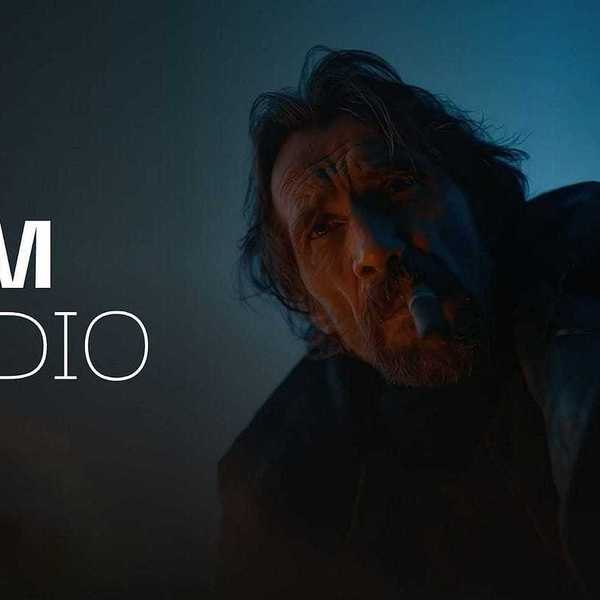
Let's look at Luthen Rael from Andor, who, as a rebellion leader and spy, makes many dark choices throughout the story. He kills to protect sources and information and himself, even when his victims are trying to do the right thing.
When his insider from the Empire, Lonni, tells him about the Death Star, Luthen gets the information and then murders him. He does this in service of the greater good, to hide the Rebel base on Yavin and prevent the exposure of his spy network.
Morally ambiguous characters are simply more realistic, driven by a multitude of motivations and allowing us to see ourselves reflected on screen. It's okay when characters are complicated.
Explore writing morally ambiguous main characters.
- YouTube www.youtube.com
The Rally Cry
This is that big, rousing moment where the hero convinces everyone to keep going, to fight, to overcome. On TV Tropes, it's known as The Battle Cry. As McNulty says, this can also be a smaller moment where the hero inspires another character to act or change, or settles a disagreement between other characters.
Whatever happens, it's a pivotal moment where the hero makes a difference and becomes the leader that the story needs.
In Star Wars, Luke challenges Han to fight for something greater than himself. Han is reluctant, but shows up for Luke when he needs backup to take out the Death Star. In The Terminator, Kyle Reese collapses, and Sarah Connor pushes him to his feet. She starts to become the warrior and leader Kyle knows from the future. In The Goonies, Mikey gives a speech convincing the Goonies to continue following the treasure map.
Learn more about character development fundamentals so your heroes feel fleshed out.
- YouTube www.youtube.com
Let us know your favorite moments in the comments!
- Why Flawed Heroes Are More Memorable Than Perfect Ones ›
- What Are The Tropes of the Everyman Action Hero? | No Film School ›
- Unraveling The Concept of The Hero's Journey in Filmmaking | No ... ›
- The Hero's Journey in Screenwriting | No Film School ›
- The Hero’s Sacrifice: Why This Trope Always Breaks Us (3 Perfect Movie Examples) ›
- "Laughing In The Face Of Danger" Trope Is The Ultimate Power Move For A Movie Hero ›