One of my buddies sold a horror spec for a few hundred thousand dollars last week and was shocked at the number. When he told me, he thought they were kidding; I told him he deserved it, not just because it was a great script but because the studio would make a lot of money off of it.
The thing is, horror movies make big bucks at the box office. They are consistently among the most reliable genres in all of Hollywood.
Today, I want to go over why horror continues to print money.
Let's dive in.
The Math: Why Horror Outperforms Every Other Genre
The best way to make any argument about box office is just to look at the numbers. I mean, this year alone, we have Obsession crossing $500 million, Backrooms crossing $400 million, and Resident Evil crossing $300 million... and counting.
The secret sauce of horror isn't just that it makes money; it's the sheer return on investment (ROI) studios see when they put a little money in and watch it explode.
It's like buying gold over and over.
Sure, there are bombs, but horror is a genre famous for the massive hits.
- The Blair Witch Project (1999): Produced for roughly $60,000; grossed over $248 million worldwide.
- Paranormal Activity (2007): Shot for $15,000 in a director’s home; pulled in $193 million.
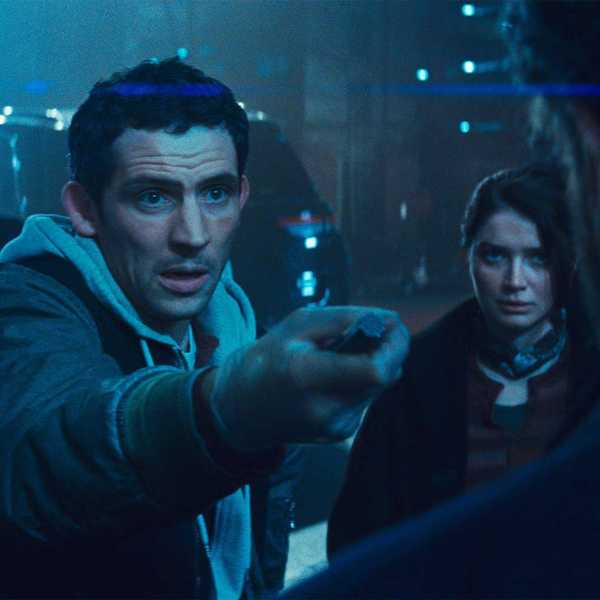
- Get Out (2017): Budgeted at $4.5 million; grossed $255 million and earned four Oscar nominations.
- Skinamarink (2022): Made for an astonishing $15,000; earned over $2 million at the box office on viral word of mouth.
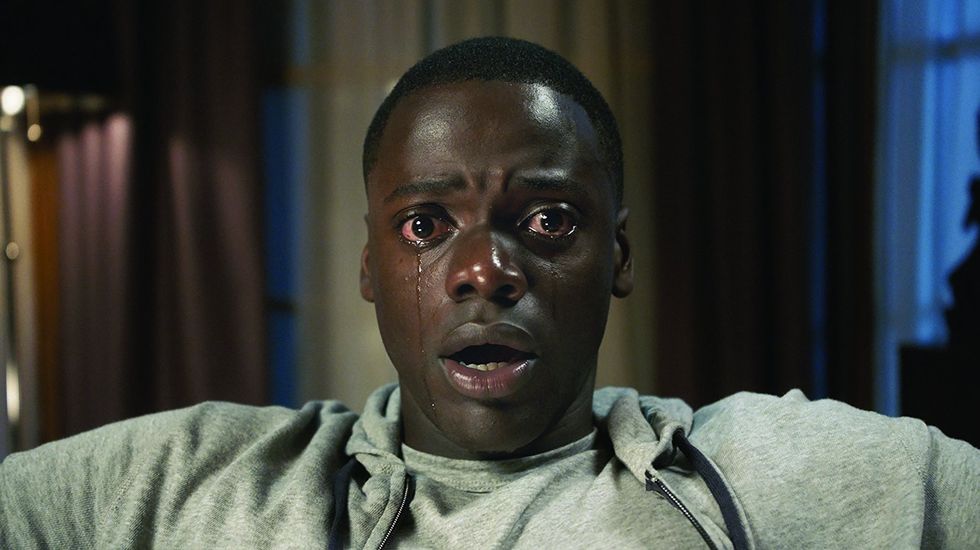 'Get Out' Credit: Universal
These are hits of every size. And budgets that range from indies to studio fare, the one thing they have in common is that they found broad audiences. And a lot of these movies spawn massive franchises, too.
Look at how Saw, Friday the 13th, Scream, Nightmare on Elm Street, and even The Exorcist turned cheap movies into franchises that kept audiences coming back for decades.
No wonder studios are hungry for them.
Horror does not rely on massive set pieces or explosions; it's sounds, shadows, and scares. You can make that for relatively cheap.
How to Execute This on Set
Okay, so I bet you want to try to make one of these movies. Well, we have some tips that can help you make your own horror movie.
- Embrace Practical FX: Build it yourself, go the Jaws route, and only show it when you have to. Check out our guide on practical vs. digital effects setups to balance your budget.
- Optimize Your Lighting Rigs: Fear lives in what you don't see. You don't need a massive lighting package. Just go natural and channel your inner Texas Chainsaw Massacre. Make sure you know the three-point lighting setup. You can use it for every scene.
Horror Doesn't Rely on A-List Stars
This genre is one of the last places where you don't need a famous face to sell your concept. You just need a great idea.
Your logline is the star.
When you are making a movie, don't worry about who is in it; worry about who you're scaring and why. Channel those fears.
Play this to your advantage.
When an audience doesn't recognize the actor on screen, they believe the actor could die at any moment. That's power in your hands.
If you're crafting your script, use a rigid three-act structure and pay it off so you get maximum scares and people see the movie. That's how you sell it.
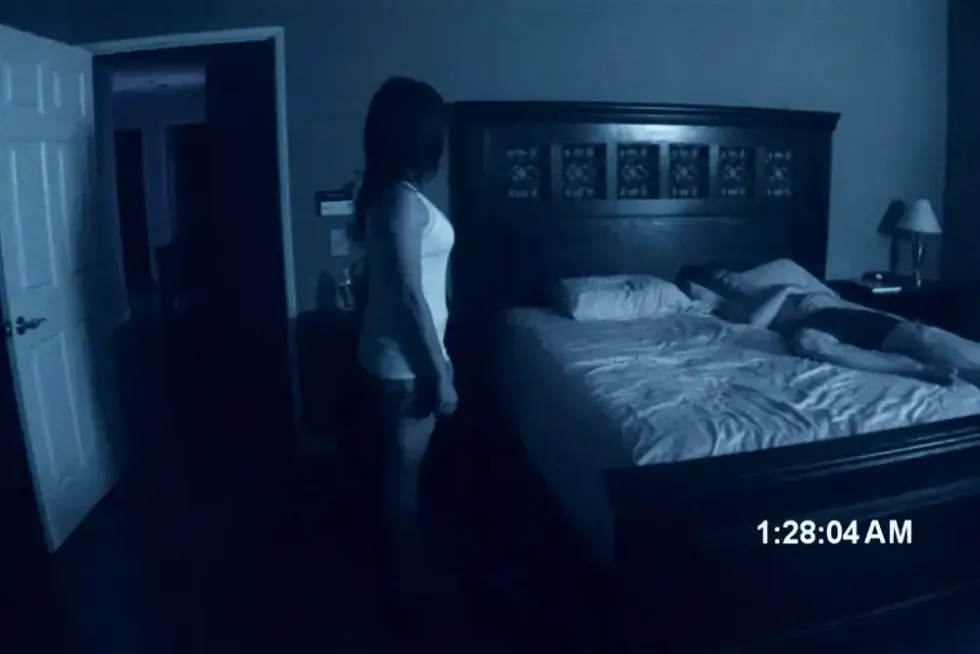 'Paranormal Activity' Credit: Paramount Pictures
Fear Is A Communal Event
I equate a horror movie to a roller coaster; you don't want ot be on ot alone. You want other people there hanging on for their lives as well.
Horror is one of the few genres that still aggressively drives moviegoers out of their living rooms and into theater seats.
You want to jump, scream, and sob next to strangers because it is more fun that way. And some of the ways they get you to do all that are in post, so if you're making a horror movie, keep that in mind.
- Sound Design Is 50% of the Fear: Low-budget horror can get away with a lot visually if the audio is pristine and terrifying. Spend extra time in audio post-production. Find a way to trigger people with claws on the wall or footsteps coming down the stairs.
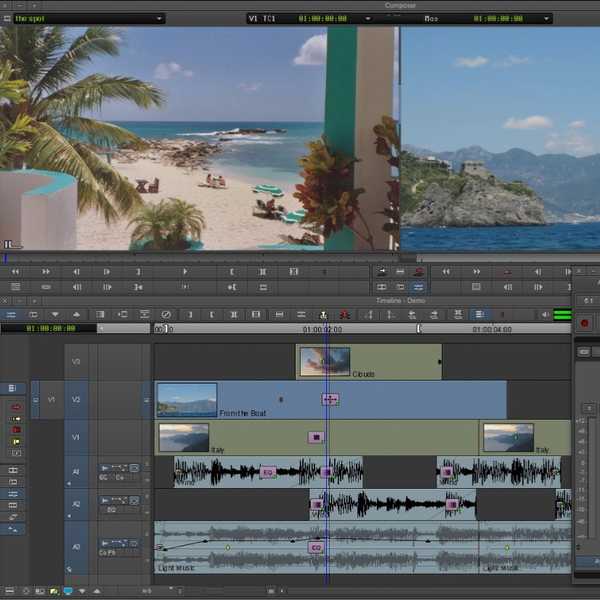
- Precision Editing: Scares are built in the AVID timeline. Cutting a frame or two too early ruins the buildup; holding too long dissolves the tension. Be surgical and experiment with different audiences to see what works best.
That can get you investors for your film.
Or it can help you make a plan to finance it yourself.
Summing It All Up
Horror remains the undisputed heavyweight champion of box office profitability. It dominates because we can make them cheap, and people spend money on them. They are great ways to break into Hollywood and even better ways to make something on your own.
For indie creators looking to break into the industry, horror is the smartest business model in filmmaking.
So get out there and make something.
The box office is waiting for you.