Deconstructing a Masterpiece: How Vince Gilligan Wrote 'Breaking Bad'
Unpacking one of the greatest TV shows of all time.
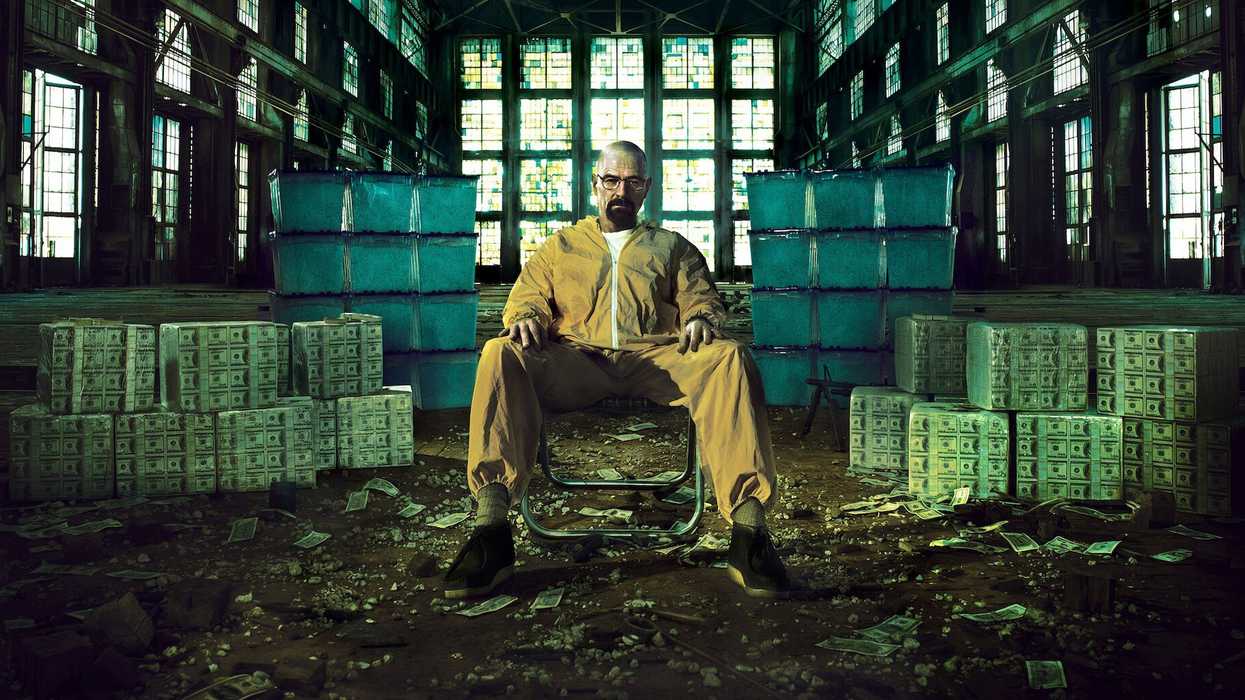
'Breaking Bad'
I am always astounded by the process of writers who are able to bring their visions to life on the big and small screen. One of the best all-time is Vince Gilligan, who took an idea about an antihero and brought Breaking Bad to us.
Today, I want to dig into a video detailing how Gilligan brought the show to life.
Let's dive in.
How Vince Gilligan Wrote 'Breaking Bad'
I love compilation videos like this one because they sort of distill the whole process down. Gilligan's initial concept for this show was so simple: take a good man and have him do terrible things to save his family.
He started with that idea and built it outward from there.
The idea was to make Walter White a "bland, milquetoast" chemistry teacher, and then figure out how to transform him into a "Scarface."
In TV, you have seasons to do all that, but you have to lay out the layers of the person and then start to pick them apart.
To do that, they basically showed Walter's ego early on. An important twist was him refusing financial help for his cancer treatment and instead choosing to continue cooking meth.
This decision, Gilligan explains, revealed that Walt's motivations were not purely altruistic; he was doing it for himself, even if he was saying out loud it was for his family.
This quest for power and control fueled the next five seasons.
The Writers' Room
The magic of Breaking Bad was born in the writers' room, where a team of talented individuals would spend hours dissecting the story and working together to make sure the best ideas hit the screen.
TV is so collaborative in that way, and that's what I love about working in rooms. You get a group of people with different life experiences to contribute to this one great whole.
They used a corkboard, index cards, and Sharpie markers to map out each plot point, constantly asking, "Where's Walt at?" to ensure the characters' motivations drove the narrative.
Obviously, plot mattered a lot, but nothing could have happened without understanding how it affected Walt and the other characters.
This character-centric approach allowed the story to evolve organically, leading to some of the most shocking and memorable moments in television history.
And a whole episode chasing a fly.
The Appeal of the Antihero
Gilligan believes that no one sees themselves as the "bad guy," and Walter White is a prime example of this idea.
He's a master of self-delusion, convincing himself that he's a good provider even as he descends deeper into the criminal underworld.
Walter wants the people in his life to see him that way, and to bend to his will. Even when his son is lauding him and fighting with his wife, Walter can't see that he is the reason this is all happening.
It's this complexity and vulnerability that make Walter White such a compelling character and a symbol of someone who lives outside the rules of society.
Summing It All Up
Breaking Bad is one of the best TV shows of all time, and it created characters that will stick with us forever.
I am excited for whatever Vince Gilligan brings to the screen next, and I am so happy to watch these shows and to be inspired on my own writing journey.
Let me know what you think in the comments.
- Is Dialogue Overrated? Vince Gilligan Thinks It "Carries Too Much Weight" ›
- Here's How Vince Gilligan Made 'Breaking Bad' So Damn Good ›
- 10 Screenwriting Tips from Vince Gilligan ›
- “I Am the One Who Knocks”: The Exact Moment Heisenberg Was Born ›
- This 'Breaking Bad' Writer's Golden Rule for Screenwriters | No Film School ›
- Rhea Seehorn is the World's Grumpiest Hero in 'Pluribus' Teaser | No Film School ›
- Walter White vs. Daniel Plainview: Two Men Who Destroyed Everything in the Name of Greatness ›
- The Secret Sauce Vince Gilligan Uses to Make Apple TV+’s 'Pluribus' So Good ›
- 'The Best Idea Wins': 7 Creativity Lessons from the Vince Gilligan Masterclass at SXSW ›