How Screenwriters Can Thrive in Hollywood's New Frontier
Now is the time to finish your specs and to get noticed for your writing.
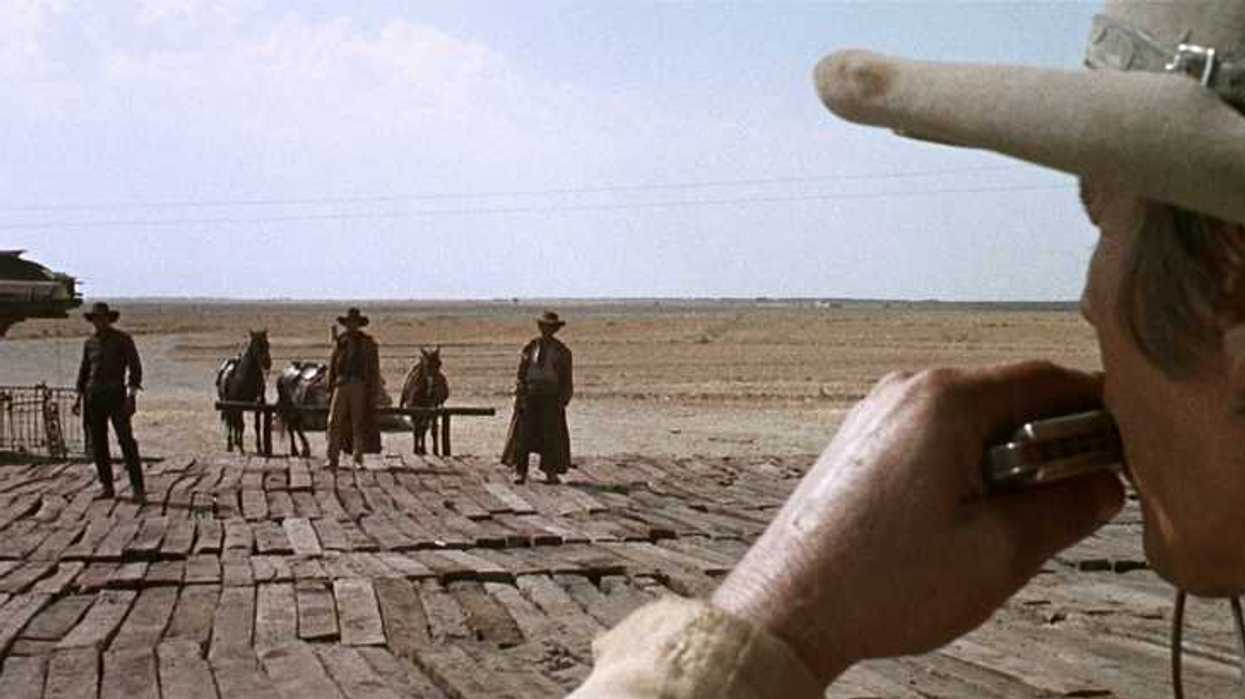
'Once Upon a Time in the West'
We did a whole article on Hollywood not being dead this week, and I'm back here to work through some other clips from the longer version of the video that I think give screenwriters some hope in this new frontier.
In an over two-hour video, screenwriter and UCLA instructor Corey Mandell argues that we aren't at the end of Hollywood; we are at the beginning of a new boom period that has writers' success written all over it.
So how can you capitalize?
Let's dive in.
- YouTubewww.youtube.com
The Return of the Arms Race
What do you have in your storytelling arsenal? What do you have to show people when they come calling?
Hollywood is very new right now. A lot of the old companies have disappeared because the industry underwent a massive contraction. Streamers tried to pivot to "cheaper" content like docuseries and international acquisitions to save money. But audiences crave new and original stories.
And all these companies are looking for ways to bring them back in.
To keep subscribers from hitting "cancel," platforms like Netflix, Amazon, and Apple need original, scripted movies and TV shows.
Mandell says that spec scripts are selling again, and some of them are going for some for seven figures.
That should encourage writers.
Those Who Sell and Those Who Don't
How do you become a writer who sells screenplays? According to Mandell, writers who sell things have these three qualities:
1. They Choose Tools Over Rules
Many writers are trapped by "rules," which are basically formulas that say a specific beat must happen on page 10. Industry readers can smell formula a mile away, and they usually put those scripts in the trash.
You need your script to go up the ladder to see it sell.
- The Lesson: Understand narrative tools (conflict, story engines, escalation) but use them to build something unique in your own voice.
2. They Practice "Plot Casting"
Most writers outline by listing events: This happens, then this happens. But the most successful writers Mandell knows often work backward.
They start with the audience's experience and then find the events that create that feeling. Then they build on that scene by scene to make sure everyone is being brought along for the ride.
- Case Study: The opening of the Cheers pilot was designed to make a bar feel safe and wholesome for a 1980s network audience. The idea is that by showing Sam Malone kindly but firmly refusing to serve a minor, the writers "plot cast" an experience of safety and integrity.
3. They Have the Courage to be Authentic
The biggest mistake Mandell sees is writers trying to write "to the market." They write a horror script because horror is selling. But that usually winds up meaning they deliver a generic script with no heart, and one that feels hard to recommend.
- The Lesson: Agents want the script that only you could have written. They need something authentic that makes you a one-of-one person in the industry.
Controlling Your Process
The thing I found to be one of Mandell’s most profound insights in the two hours is that your process either controls you, or you control it.
Many writers don't finish scripts because they let fear and laziness rule the roost. it;s the people who get up every day and grind who find the most success.
- The Safety Zone: Most writers use a process that plays to their strengths and hides their weaknesses.
- The Breakthrough: To truly grow, you must experiment with processes that make you uncomfortable. Mandell often finds that the process of a writer working outside their comfort zone often leads to their best work.
Summing It All Up
The industry is currently facing a new frontier where they are looking for the best voices to help shepherd companies forward.
If you are willing to put your head down, do the hard work, and write something authentic, Hollywood is waiting for you.
Let me know what you think in the comments.