How to Hide Your Exposition in Conflict
Figure out how to hide necessary information in plain sight.
'The Matrix'
I watch a lot of movies, so many that when tropes or cliches are poorly done, they pop out right in my face. One of the ones that annoys me the most is bad exposition dumps.
And I'm sure it bugs you, too.
We’ve all seen it: two characters standing in a kitchen, drinking coffee, and saying things like, "As you know, Jim, our father died ten years ago, leaving us this debt-ridden shipyard."
It takes you right out of the story, and it takes the exec reading your script out, too.
So if you've struggled with that in your own writing, I am here to present a solution for you. Hide your exposition in conflict.
Let's dive in.
1. The "Trial by Fire" Technique
This is where you take your characters, and you put them through hell, while they deliver the info we need.
You don't need to have a mentor explain the rules of a magic system or a heist over a chalkboard. Instead, throw the protagonist into the deep end and force them to swim, along with the audience.
Here's how I do it:
- The Conflict: The protagonist is failing at a task.
- The Exposition: A partner or antagonist yells at them, explaining why they are failing.
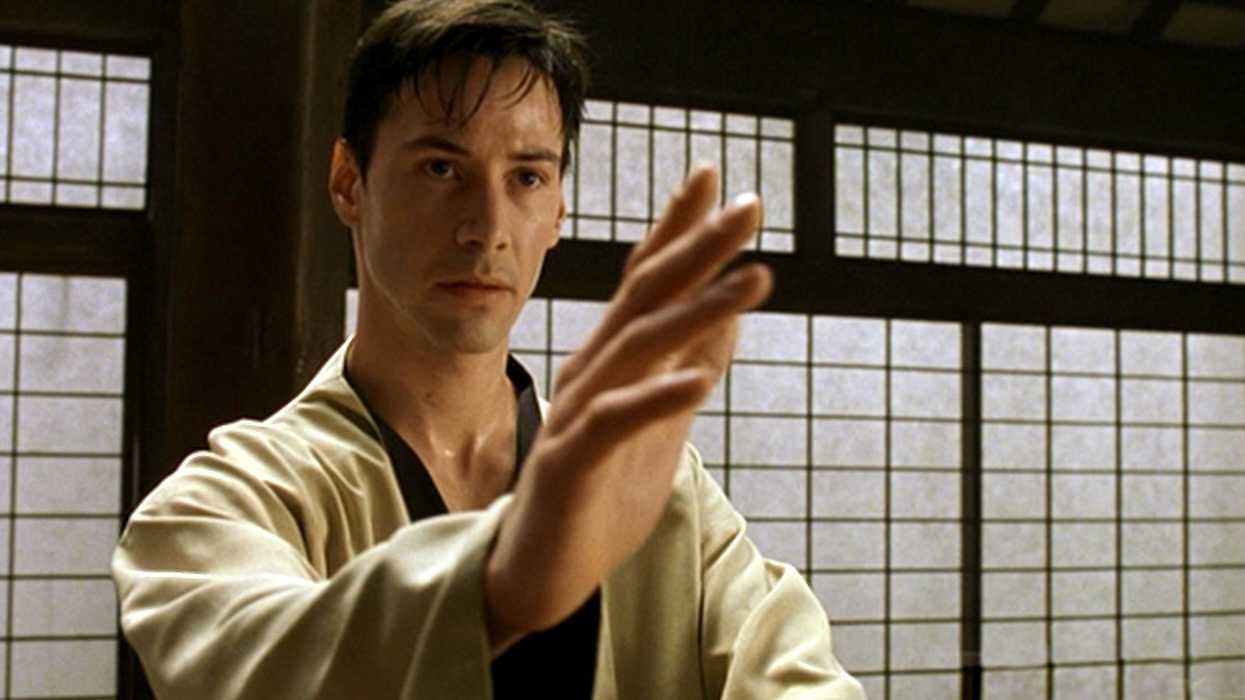
- Example: In The Matrix, Morpheus doesn't just lecture Neo on physics; he beats him up in a dojo. The "rules" of the digital world are explained through Neo’s physical struggle to keep up. And we stay engaged because of the fighting.
- YouTubewww.youtube.com
2. The High-Stakes Argument
When in doubt, make your characters argue. You can get so much out in an argument, and you get the needed drama, too. Anger is a great truth serum.
When people are emotional, they say things they normally wouldn't. This allows you to drop "pipe" (that's what we call exposition) without it feeling forced.
- The Strategy: Use a character’s past as a weapon against them in an argument.
- Why it works: The audience perceives the dialogue as a character beat rather than a history lesson.
- Example: In The Social Network, we start the movie with two people arguing. Mark wants to get into finals clubs. We get this exposition out, and he thinks he's smarter than everyone. We get that out too, but the argument with this girlfriend is what sets the whole story in motion and keeps us interested, even though we are getting a lot explained to us about Harvard and clubs.
- YouTubewww.youtube.com
3. The Interrogation
Interrogations are a favorite in many different kinds of genres.
There is a reason why police procedurals and spy thrillers are so popular: the entire premise is built on withholding and demanding information.
And that info is easy to get out when characters are actively being asked for it.
- The Dynamic: One character has the power; the other has the info.
- The Friction: The "Interrogator" (could be a boss, a cop, or a suspicious spouse) forces the "Subject" to clarify details. This creates a natural "Question and Answer" flow that feels earned because the Subject is resisting.
- Example: In The Dark Knight, we have a rather famous interrogation scene between Batman and the Joker.
- The Exposition: The audience needs to know that Harvey Dent and Rachel Dawes have been kidnapped, that they are in separate locations, and that Batman only has enough time to save one of them.
- The Conflict: Batman is physically brutalizing the Joker to get the addresses. The Joker isn't just "giving" the info; he’s using it to taunt Batman, mocking his "one rule" while revealing the locations as a sick game. Because Batman is desperate and the Joker is resisting, the "info dump" about the bombs and the two addresses feels like a ticking-clock thriller beat rather than a plot explanation.
- YouTubewww.youtube.com
Summing It All Up
The best exposition is invisible. If you can deliver a piece of information through a slammed door, a broken vase, or a heated accusation, do it. Your goal is to keep the audience interested and to keep your reader flipping pages to learn.
Let me know what you think in the comments.
- How to Write an Exposition Dump (Without Putting Your Audience to Sleep) ›
- A Hilarious Lesson in How to Write Better Exposition ›
- How to Write the Best Exposition In Your Script ›
- Writing Exposition: Why You Should Stop Being a Helicopter Screenwriter ›
- Praising Great Exposition in Film and TV ›
- Netflix Execs Want You To Know They Actually Don't Make Characters State the Plot ›