Intimidated by Anamorphic Lenses? This Tutorial Series Can Help Demystify the Process
Curious about anamorphic filmmaking but intimidated by squeeze factors, workflows, and lens behavior? This DP has put together a helpful resource to demystify the anamorphic process.
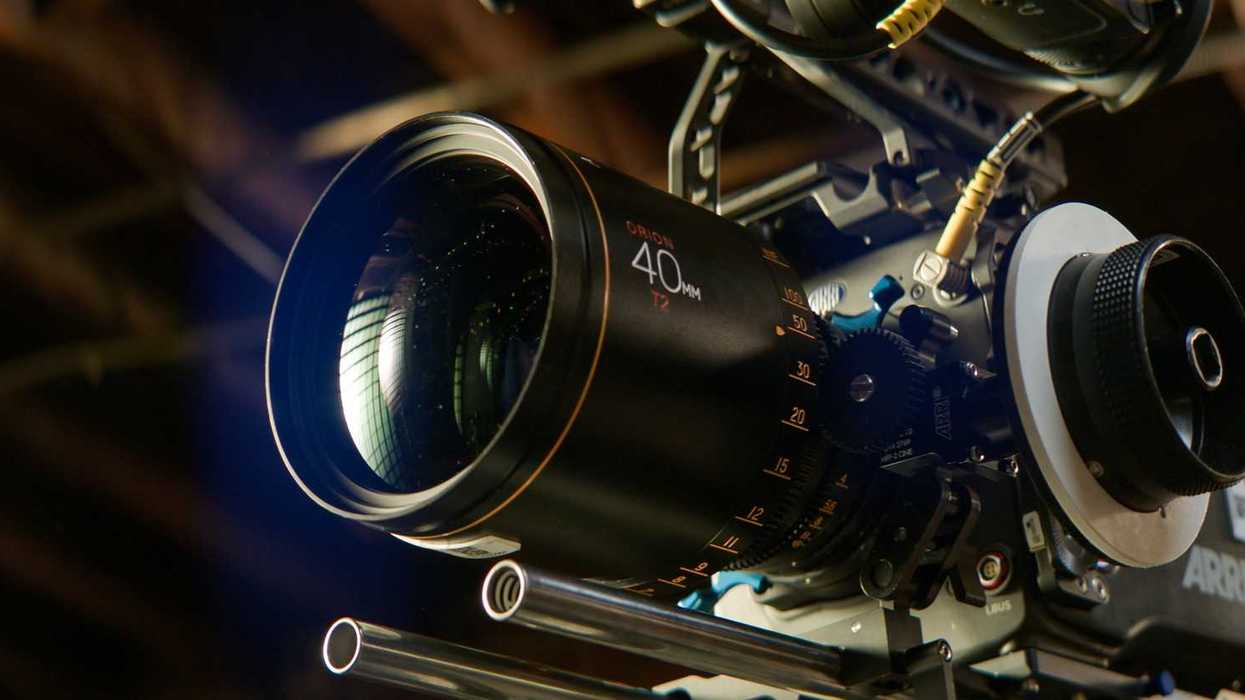
Well, this is a cool support resource that could be a fun and helpful option for filmmakers or aspiring cinematographers looking to get started with anamorphic shooting for the first time. If you haven’t stepped into the world of anamorphic before, it can be intimidating to try to instantly understand everything there is to know about squeeze factors, workflows, and anamorphic lens behavior.
That’s why cinematographer Kevin Coyne has released a new support tool that aims to help demystify the anamorphic process for filmmakers.
Let’s take a look at this “Shoot Anamorphic” resource and explore how it can help you learn everything you need to know about lens behavior, framing, and how the optical characteristics of anamorphic lenses influence how work is experienced on the screen.
Demystifying the Anamorphic Process
Sent our way from Kevin Coyne, a director of photography who has shot award-winning projects for commercial clients around the world, this is a pretty cool resource that speaks directly to the likely huge class of aspiring filmmakers and DPs who want to explore the world of anamorphic cinematography.
And it makes sense too, as anamorphic lenses have become affordable and much more widely available over the past few years, with more filmmakers than ever before intrigued by the idea of experimenting with this cinematic format.
Still, confusion abounds with squeeze factors, workflows, and lens behavior, which often makes anamorphic shooting feel more intimidating than it needs to be. At least, according to Coyne, who has spent more than sixteen years working across commercial, branded, narrative, and documentary projects.
How to Shoot Anamorphic
This new “Shoot Anamorphic” project draws on Coyne’s experience to provide a clear, practical look at how anamorphic works and how filmmakers can use it intentionally in real-world production environments.
The goal of the project is to focus on how lens behavior, framing, and optical characteristics influence how work is experienced on screen, rather than on trends or gear hype. The breakdowns in the project include detailed lens tests as Coyne explores how anamorphic shapes perception, tone, and storytelling.
As you can find on his website, the project includes three core videos: an overview of how and why to use anamorphic, a breakdown of its defining visual characteristics, and a comprehensive lens test using Atlas Lens Co.’s Orion Series lenses.
Anamorphic as a Storytelling Tool
When viewed together, these elements can provide filmmakers with a helpful, grounded framework for understanding the format beyond surface-level aesthetics.
If you’d like to check it out, you can find it on Coyne’s website here.
- A Guide to Shooting Anamorphic on a Budget ›
- Everything You Need to Know to Get Started Shooting Anamorphic ›
- Vertiscope Explained: How to Shoot Vertical Anamorphic on Any Mirrorless or PL-Mount Camera ›
- Tutorial: How to Get the Anamorphic Look Without the Anamorphic Lens ›
- Everything You Need to Know About Anamorphic Lenses ›