We’re constantly being told that AI is here to stay and that one day or another, it’s going to be able to replace us as writers entirely. But it certainly does not have to be that way, no matter how much you get told that it will. Writer David Perell recently sat down with The Nathan Berry Show to discuss how you can stand out as a writer in the new age of AI. I
highly recommend viewing the interview in its entirety because it’s incredibly substantive, but let’s highlight some specific points and talk about how you can best put them to use.
You Have to Learn to Love the Craft
A common trap that people who think they want to be writers fall into is the love of saying you got something finished, and the pride that comes along with that, but failing to have an equal love for the grind it takes to get there.
It’s absolutely happened to me where I’ll spend an insane amount of time on a project, and then finish a first real, complete, readable draft, and then immediately have the desire to put it down and celebrate before moving on to the next thing without fine-tuning it. This is where people fall off. You have to learn to love the ugly parts of it as well. The late nights fighting over whether a scene belongs in a script, or whether or not a character’s relationship is going to go a certain way. Nitpicking each line of dialogue to determine its relevance and its level of effectiveness.
These steps are necessary in the process, and can start to feel incredibly tedious. Especially after you just felt like you accomplished something real by finishing the darn thing. My advice here would be to experiment with how you can accomplish these goals while doing something fun. A curated playlist is always a surefire bet for me. Take structured breaks, reward yourself with something healthy in between milestones if you have the discipline for it. Figure out a way to fall in love with the ugly side of writing, and you’ll be completely unstoppable.
Make Sure That You Have Something to Say
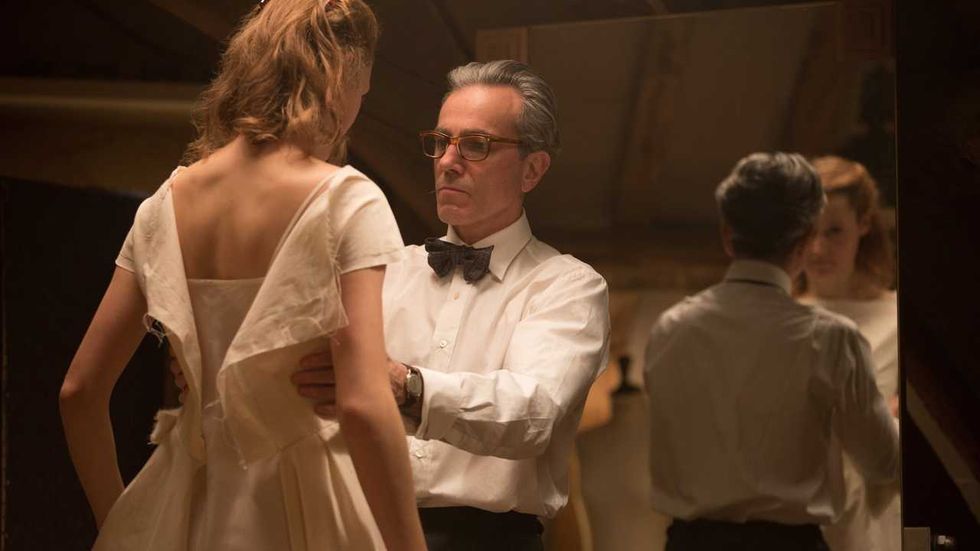
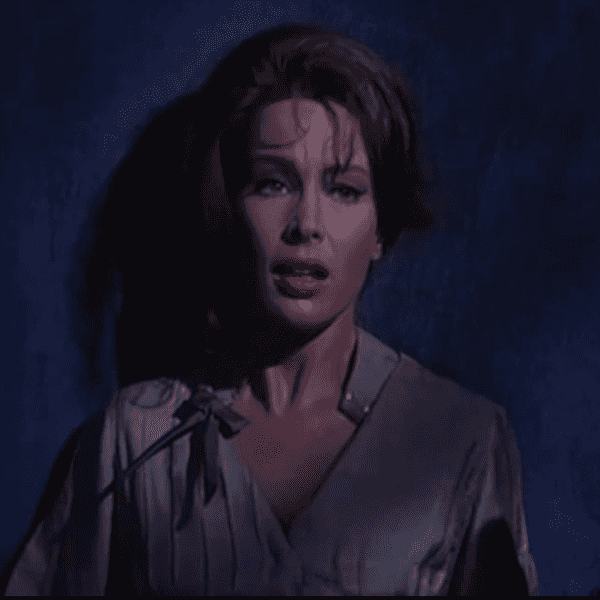
'Phantom Thread'
Credit: Focus Features
Perell makes a point in the interview that stopped me dead in my tracks. “A lot of people want to be heard more than they have something to say.” This is true in so many regards, as it can be difficult to try and put so much of what we feel on a day-to-day basis into words. But when you’re writing, you kind of have to figure it out.
This may sound like I’m telling you to wave some kind of a magic wand and figure it out for you, but I’m absolutely not. That’s what AI is for, and we don’t want to do that.
Another point that Perell brings up in the interview is that being disciplined with writing forces you to be more observant of the world around you. Whether it’s the inherent comedy of something you see on the street that we’ve grown to treat as ordinary, or the beauty in a way that a flower blooms along the bunch. You just start to notice things more. And the more you notice things, the more descriptive your mind will naturally become in terms of how it communicates these observations.
So if you’re feeling something and want to be heard, observe first. How can I communicate what I’m feeling and experiencing into a narrative that other people will want to experience as well? There’s another potential method for this, too.
“Tying Timeless Ideas Into Timely Moments”
This is such a fantastic point brought up in the interview. For the sake of condensing everything, let’s look at a specific film example from a few years ago: Oppenheimer. That film is about an idea that we've been debating for eight decades and about a man who ignited that very debate. We’re going to be having it forever. But that film was released at a time when tensions could not be higher around our world, and the conversation about war, weapons advancement, and technological warfare was at a record-high boiling point. People understandably connected with that film on a mass scale, and it won all of the top prizes at almost all of the awards shows that year. That film knew its place in the world and exploited it at a mass scale.
Achieving this combination can understandably feel impossible since it seems like our world, and especially the news cycle, seems to move on from earth-shattering news faster than it receives it, but people retain their feelings about this kind of thing for longer than you may realize. If you can find a theme or a story that you’ve always wanted to tell, and also find a way to relate it to something we’re all going through right now, you’ll stand out immensely.