Martin McDonagh’s 2017 masterpiece, Three Billboards Outside Ebbing, Missouri, boasts some of the finest character work of the entire decade. Frances McDormand’s Oscar-winning performance as Mildred Hayes, a grieving yet vengeful mother, is the film’s north star. Her opening scene also tells us everything we need to know about her.
Let’s dive right in.
Her Confidence is Unrelenting
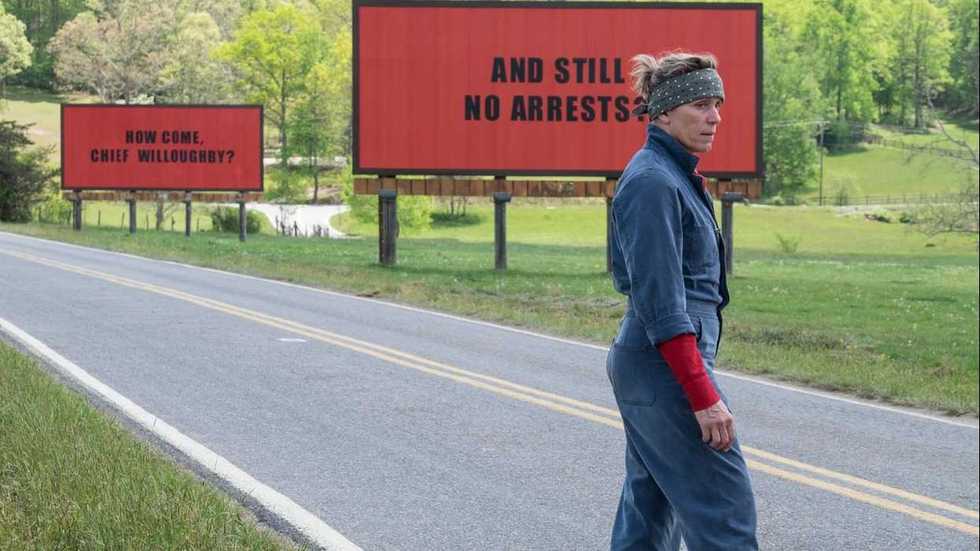
The first time we see Mildred, she’s driving past the abandoned billboards near her house. She makes an internal decision almost immediately, then marches straight into the local advertising agency to instruct them to put up the billboards. She knows what they want to say, how much she’s paying for them, and what she needs her contract to say so that no one (the police) tries to buy her space out from under her.
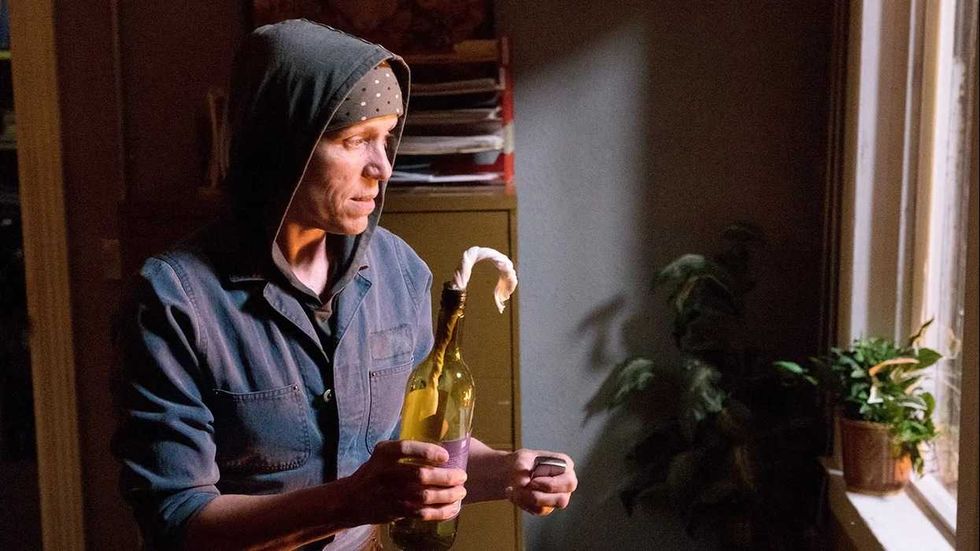
You can see the moment everything changes for her in the opening scene while she’s staring at the billboards. Her face and body appear plagued by defeat and pain, her hair is long and nearly-matted, and the last thing you would assume about her is her personality for the rest of the film. The moment she springs into action, her hair gets put up, she wears more active clothing, and her general demeanor evolves into generally looking like she’s ready for intense battle.
Her Aggression Isn’t Unprovoked
 ‘Three Billboards Outside Ebbing, Missouri’Credit: Searchlight Pictures
Nearly every character in the film is at the very least weary, and at most, terrified of Mildred Hayes. These feelings are far from unfounded, as her reputation of being successful with her aggression certainly precedes her. With that said, she never comes at someone unprovoked.
While in the advertising agency, Red Welby (Caleb Landry Jones) makes the mistake of questioning whether or not Mildred understands the strangeness of her billboard request. Granted, all she does in this moment is snap back at him with a quip about his intelligence, or lack thereof, but it’s certainly a sign of what to expect from her in the future. Her priest insults her brigade, and she goes on a monologue about how he’s culpable for Catholic pedophilia; a high-schooler throws a drink on her car, so she kicks him where the sun doesn’t shine; the list goes on. But with all of that said…
She is Also Incredibly Gentle
The moment Red realizes what the billboards are supposed to say, he recognizes Mildred. Mildred acknowledges that he’s correct in a much more somber tone before helping a struggling beetle on its back flip properly upright. This quick 180 demonstrates not only a serious level of depth for the character, but the versatility of McDormand’s performance itself.
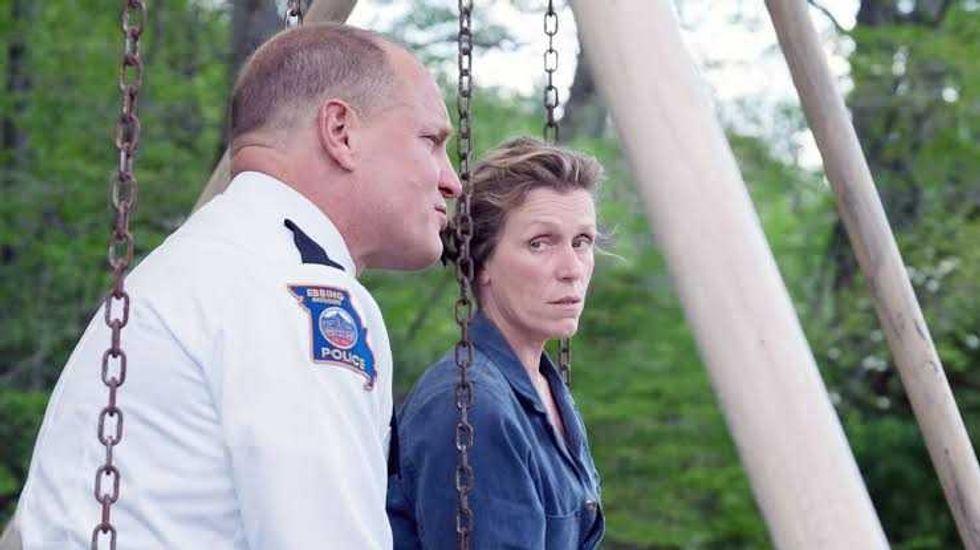
We see this deeply impactful sense of empathy multiple other times throughout the film. Most meaningfully, it manifests in her largely tumultuous relationship with William Willoughby (Woody Harrelson), the sheriff of the town she’s calling out with her billboards. He’s doomed to die from cancer at the start of the film, and during a particularly heated conversation between the two, he coughs up blood onto her face. Her demeanor immediately changes from aggressive and wanting to destroy him to fading into pure motherly protection. What’s most interesting about this is that a bit later in the film we’re clued into how this level of empathy may not have always been her kneejerk instinct.
Her Past Aggression Likely Cost Her Her Daughter
 ‘Three Billboards Outside Ebbing, Missouri’Credit: Searchlight Pictures
In the only flashback scene in the film, we see Mildred fighting with her daughter, Angela, about borrowing the family car to go to a function on the night she was murdered. Mildred’s sense of wit and aggression are still present, but her ability to remain as empathetic during a confrontation as we know her doesn’t seem to be there yet. The conversation ends with Angela storming out with her and Mildred “agreeing” that they “hope [she gets] raped on the way”. Devastatingly, that’s exactly what happened.
We never see Mildred address this conversation to herself, or anybody else throughout the film, but it’s easy to infer that the fragmented relationship she had with her daughter immediately prior to her death eats away at her soul more aggressively than even she can probably vocalize.
How Mildred’s Ending Affects Everyone Else’s
There are a lot of people going through a lot of dark stuff throughout the film. Officer Jason Dixon (Sam Rockwell) has a reputation around town for his past racist behavior and is struggling to grieve the death of Willoughby in the second half while forging his own redemption path.
There comes a moment in the final minutes of the film where he phones Mildred some bad news, and he appears to be holding his rifle to his head while he does so. Whether he meant to do anything to himself in this moment remains relatively unclear; however, what is clear is that he puts the gun down when Mildred not only takes the news better than he anticipated, but extends an olive branch for their reconciliation. It took Mildred an incredible amount of grace to be able to handle this conversation as well as she did. And doing so may have just saved Dixon’s life.
While the closing scene of the film leaves the explicit endings of both of these characters relatively open-ended, it’s abundantly clear that they’ve found some sort of a sense of peace at the end of their journey.