In creature-driven horror, restraint is often what makes the fear land, and what stays hidden can be just as terrifying as what’s revealed. Films like Alien, The Blair Witch Project, Cloverfield, and, more recently, A Quiet Place all lean into that idea.
Cinematographer Joel Froome took a similar approach on Well Go USA’s The Yeti, embracing limitation as a creative tool. Tasked with bringing a towering, snow-covered creature to life on a modest budget and soundstage, he crafted a visual language built on shadow, silhouette, and carefully controlled light—using suggestion to amplify scale and fear.
Drawing inspiration from The Thing and the stark, single-source aesthetic of Nosferatu, Froome approached the film with a deceptively simple philosophy: reveal less, shape more. By prioritizing backlight over front light, bouncing illumination instead of adding fixtures, and letting darkness do the heavy lifting, he was able to preserve both the scale and mystery of the creature—without overexposing the illusion.
In the below interview, Froome breaks down how to light a creature on a budget, why negative space is your greatest ally, and how thoughtful pre-production can transform even the smallest stage into something vast and terrifying.
No Film School: How did you first get involved with The Yeti, and what drew you to the project creatively?
Joel Froome: When production decided to shoot in Buffalo, NY, they looked for local cinematographers before reaching out to out-of-town crew. I’ve lived in Buffalo for a while now, but hadn’t really worked there much before, so it wasn’t until the awesome people at Expressway Rentals mentioned to the line producer that I was around that he reached out. From there, I was able to interview with the producers and directors.
What really drew me to the project was the challenge of shooting something so ambitious with such a great writer-director duo, Will Pisciotta and Gene Gallerano. They wrote a film that’s a throwback to classic horror, using practical effects, and that sounded like a lot of fun to me. Also, the challenge of shooting a story set in the Alaskan wilderness while having to shoot on a relatively small soundstage. I loved the idea of the lighting challenge this movie would present; I thought it was something that could have a really distinctive look.
NFS: What were your initial visual references when shaping the look of the film? The film takes place in 1947 Alaskan Territory—how did this time and setting impact how you wanted it to look?
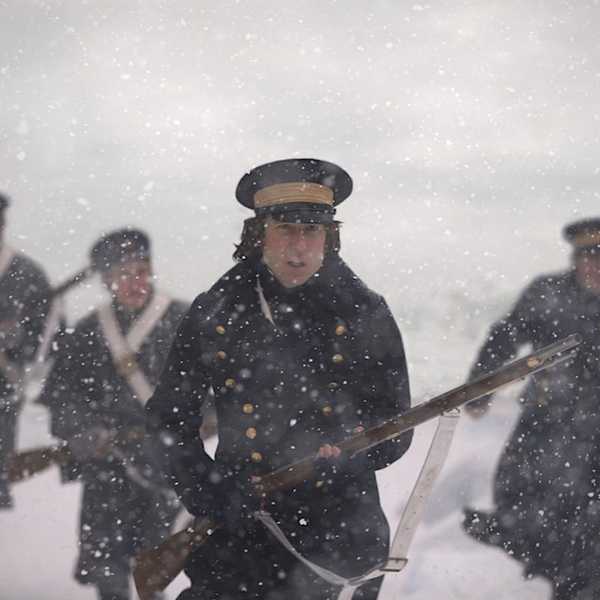
JF: I think the way I initially pitched the look to the directors and producers was that it would feel like The Thing, but shot on a much smaller budget—and shot by a Robert Richardson with less talent- because I’d never try to compare myself to him, of course! What I meant by that is that The Thing was our main visual reference overall. For the interior scenes, though, I really liked the idea of using pools of light and more stylized backlight sources that wouldn’t feel as natural as I’d normally aim for.
Right before we started filming, Nosferatu came out, and some frames in particular really stood out to us as references as well. Mainly, it was the feeling of a single-source moonlight with very little fill. I love that look and really responded to how that film felt visually, so when planning with my gaffer, Mark Pasqualotto, we tried to approach most scenes with a strong single-source moonlight but still had the stylistic texture and feel of a movie like The Thing, films from that era tended to be a bit more stylized in the look and lighting and did use more fill. So overall, I ended up using a little more fill light than I would have if Nosferatu had been our primary reference.
We also loved the idea of giving the film more of a three-strip or slightly grindhouse period feel. Because of that, I tried to build enough contrast into the lighting so that, in the grade, we could add grain and really push that look.
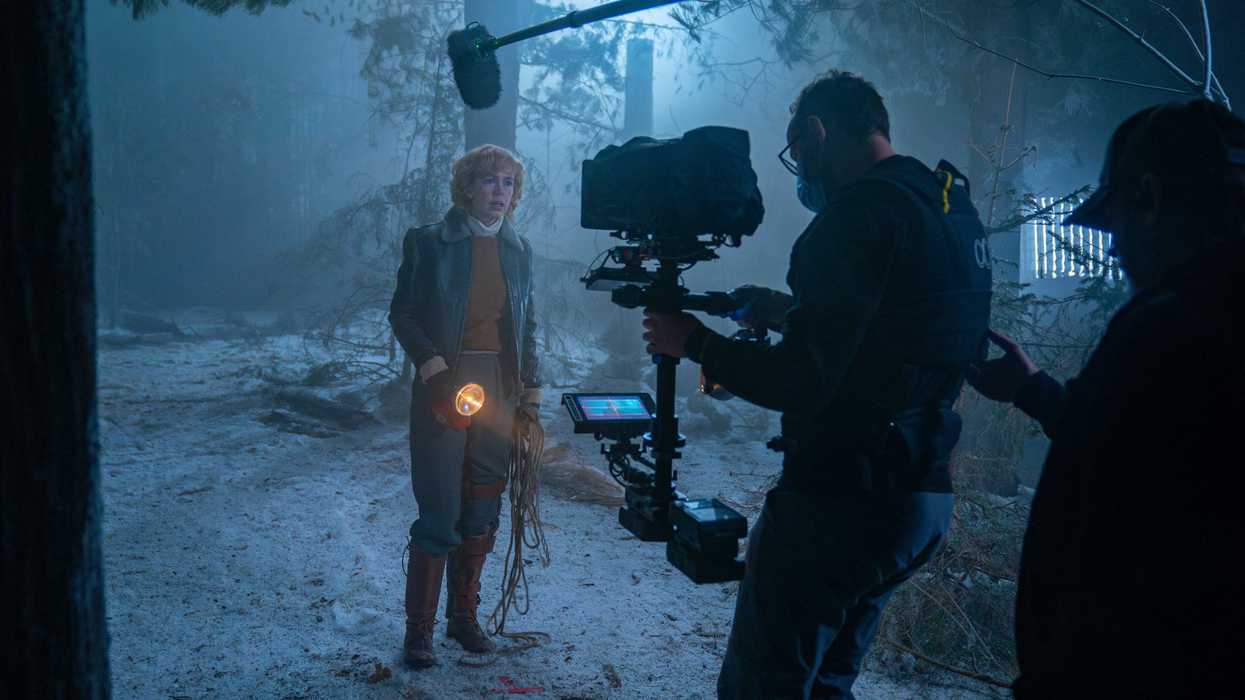
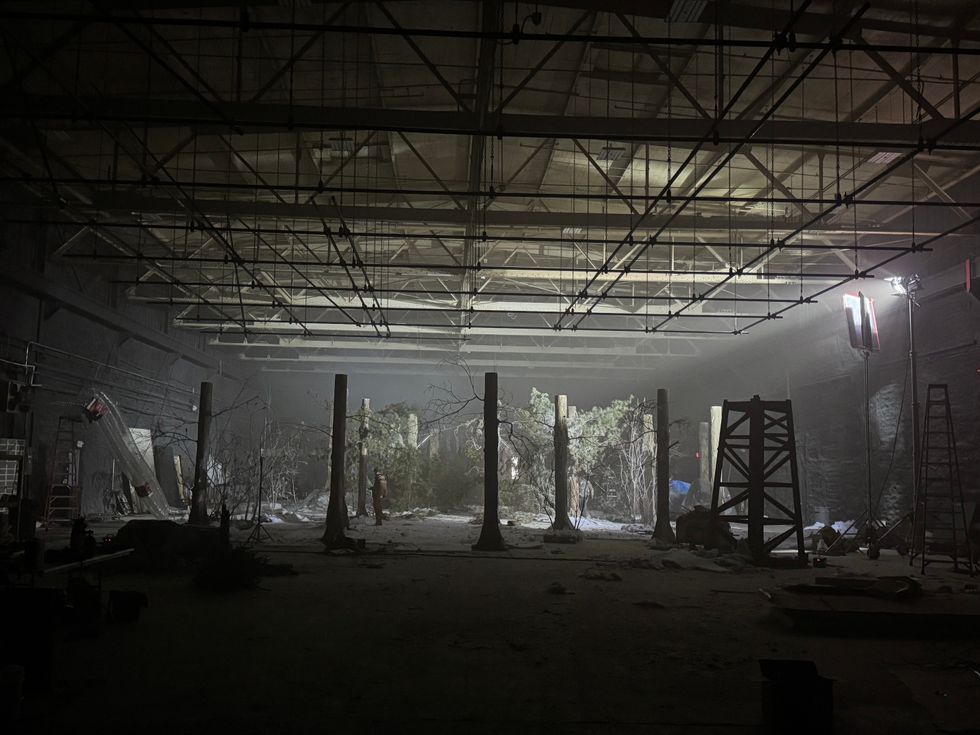 'The Yeti' BTS Cedit: Well Go USA
NFS: What were the core visual rules you established early on, and how strictly did you stick to them during production? What camera and lens package did you choose, and how did that support the story?
JF: We wanted a lot of fluid camera movement, but never a lot of handheld. The original plan was to use a Ronin with me operating, which I didn’t love the idea of because I find it hard to be precise, and sometimes I find that with that, you end up having to frame below the eye line too much, depending on what rig you use to help hold it. Next, we looked into having a Ronin operator while I would use inertia wheels, but given our schedule and the logistics of the set we were worried that would take up too much time nor did it solve the height issue, in the end, we were able to bring over a great Steadicam operator from Belgium, Charly Vandedrinck, who the directors already knew and wanted to work with who was so awesome in wanting to help us out. That gave us the ability to move the camera freely while still achieving the look we were after.
When not on Steadicam, I really love the inertia wheels and the Ronin on a jib. We used this setup a lot to try and give us a bit more scale to the movement, so everything wasn’t right at ground level.
We shot on the ARRI Alexa Mini LF with Atlas Mercury lenses. I tested a lot of different anamorphic lenses, and while the Mercury lenses were pretty new, we were initially concerned about only having access to three lenses since the rental house in Buffalo hadn’t received the B set yet. Through a contact of mine, I was able to get in touch with Atlas, and they were incredible—they managed to get Expressway’s B set of lenses to us before we started shooting. These lenses were crucial in achieving the look we wanted. We knew we wanted anamorphic lenses that covered large format—not just for the aesthetic, inspired by films like The Thing, but also for practical reasons. The studio we were shooting in wasn’t very large, so we needed the focus to fall off quickly to help hide the walls just a few feet beyond the trees. Depth of field was so crucial on this, and these lenses gave us exactly what we were looking for.
NFS: How did you handle exposure and contrast in challenging locations like snow or low-light conditions?
JF: Exposure on The Yeti was definitely a challenge because we used a harder moonlight source than I’d normally use on a film. One of the biggest difficulties was that we weren’t shooting in real snow—only snow blankets and fake snow—so I tried to have the moonlight just barely skim across the surface. I also angled it higher so I could underexpose the snow as much as possible.
I relied heavily on a light meter and contrast viewer, and I loved that my gaffer also used a light meter frequently. That allowed us to stay very consistent with the ratio of moonlight to fill throughout the film, especially as we added more and more haze when getting closer to the Yeti.
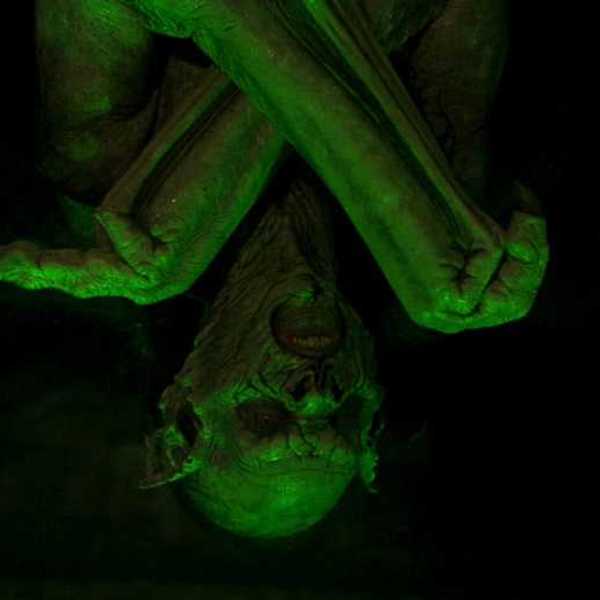
Another major challenge was deciding how much of the Yeti to reveal. Because the costume was very large and white, it was crucial that we never showed too much of it. When shooting the Yeti, I used less front light than I did with the other actors and relied more on backlight to outline the figure and reveal just enough detail. If we wanted to show a bit more, I would bounce our key light off the snow and maybe bounce a little back into it rather than introducing additional lights.
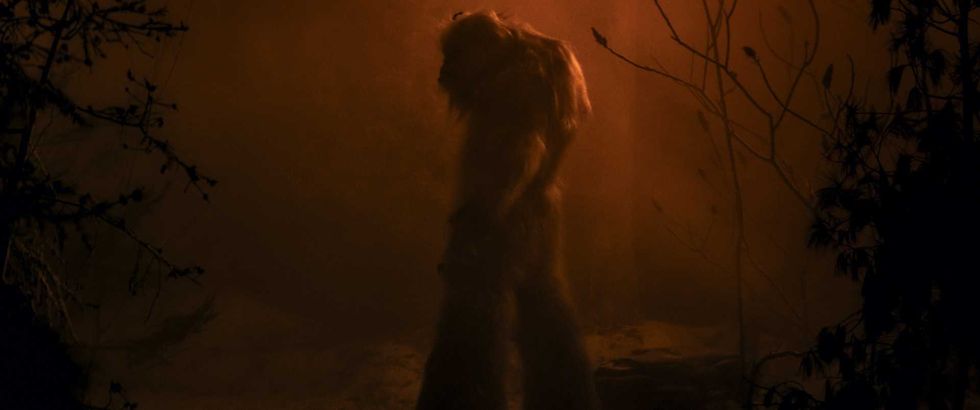 'The Yeti' Credit: Well Go USA
NFS: What were the biggest logistical or technical challenges of shooting in the environments required for The Yeti? How did your camera movement evolve over the course of the film as the story progressed?
JF: As the film progresses, our camera movement mostly stays consistent, except for adding more handheld work when things become chaotic. What changes the most is our lighting as we get closer to the Yeti. At that point, we switch the key light from moonlight to firelight, removing the moonlight entirely.
I still find fire effects on some larger LEDs not all that convincing, so instead we used our fill light just to lift the ambient level slightly while relying on real sources. We had real torches and flame bars that I was able to use, and I also used a mirror board to bounce the flames onto the actors. I find that approach much more believable than walking into an LED fire effect.
The biggest challenge of shooting a film set in such a vast environment while actually filming on a small stage was making it feel varied and expansive. The directors and I spent a lot of time shot-listing and diagramming all of our forest scenes so we could mix things up and avoid it feeling like the same stretch of forest.
Our amazing production designer, Frank Coppola, built some incredible sets, including all the trees for our forest. Altogether, I think we only had around 18 to 20 trees on stage, so we had to carefully plan different paths for the action to take place. We also couldn’t easily move the trees because of the snow blankets and the time required to reset everything. In total, we were only able to rearrange the trees about three times, so thorough planning was essential to make sure we captured everything we needed before moving on.
NFS: What’s one lesson from The Yeti that you’ll carry into your future projects?
JF: One of the biggest lessons from The Yeti was learning to embrace constraints rather than fight them. Whether it was limitations in gear, time, or crew, those restrictions forced me to focus on the fundamentals. We knew we needed to shoot wide open, as I mentioned earlier, so it made me ask: why can’t I accomplish that with a much smaller lighting package when I know we need to shoot mainly wide open?
Having a truck full of gear is always nice, but when you really strip things down, a lot of it isn’t necessary. Moving forward, I want to lean into that mindset—focusing on what’s truly needed. It also forces you to put more work into pre-production, because when you have fewer tools on the day, the planning becomes even more important.
Another major lesson was learning how to unify different creative perspectives under pressure. Working with two directors from different backgrounds and styles was incredibly rewarding. Will has such strong film and technical knowledge, while Gene, coming from the documentary world, has an amazing ability to think on the spot and respond to performances or challenges in the moment. They are both so incredibly talented.
Shooting in a space that was smaller than we ideally wanted also pushed me to be more precise and collaborative. My goal was to support both of their creative approaches while still maintaining a cohesive visual language for the film.
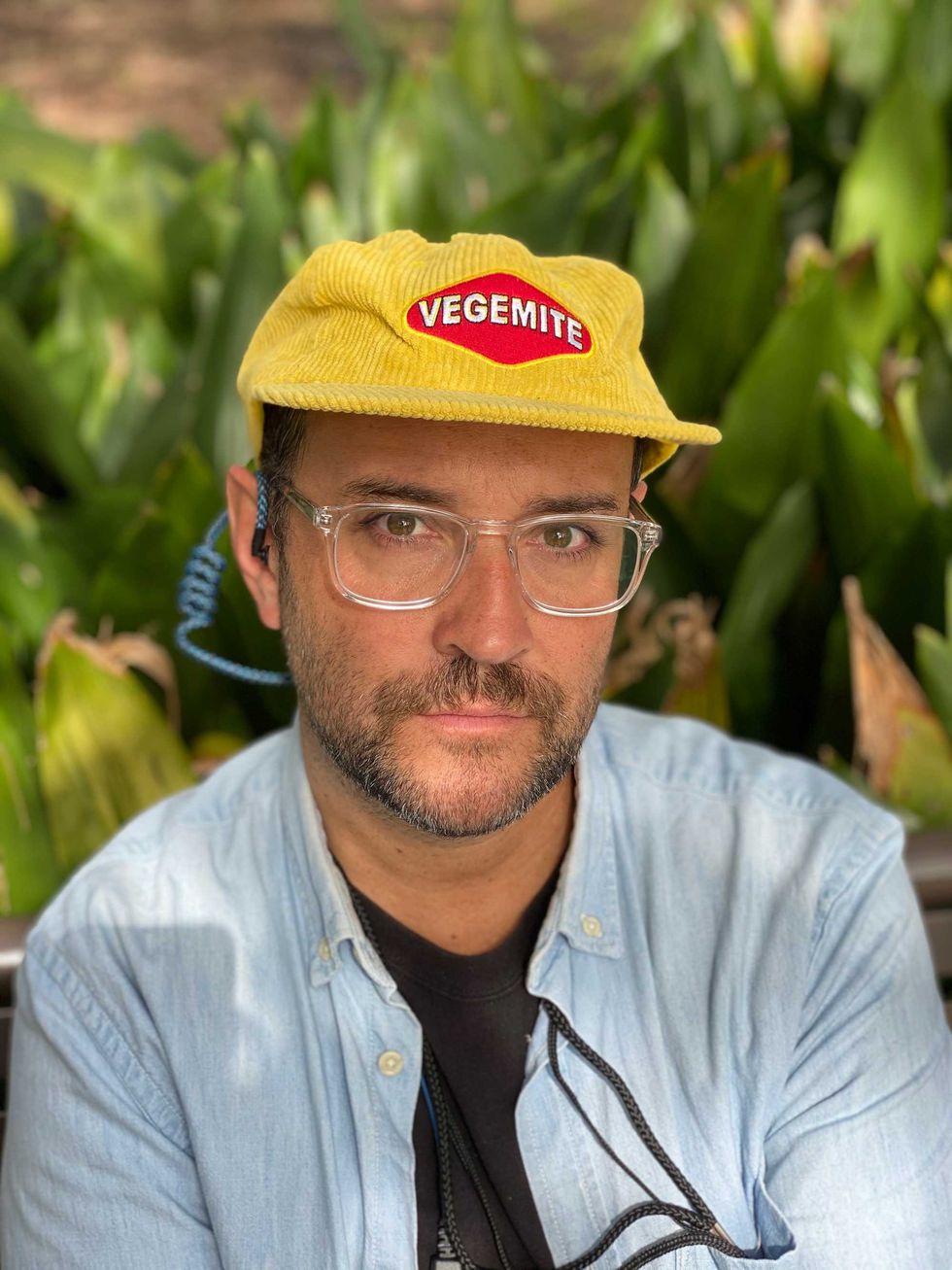 DP Joel Froome Credit: Well Go USA
NFS: For filmmakers trying to shoot in extreme environments on a budget, what practical advice would you give?
Froome: The best advice I could give filmmakers shooting in extreme environments on a limited budget is to take a step back and really look at what’s absolutely necessary for the story. Cinematographers often talk a lot about lighting, but on lower-budget projects, it can sometimes be just as important to think about the darkness. Ask yourself how much light you actually need to get the exposure that serves the scene.
Think about how shadows can help tell the story. Often, you don’t need to illuminate everything, and allowing parts of the frame to fall off into darkness can be both practical and visually effective.
The last thing a crew needs in a tough environment is to drag around a lot of heavy gear that might not even get used. Instead, look for creative ways to work more minimally. Focusing on simple, intentional choices will often save time, energy, and budget while still achieving a strong visual result.