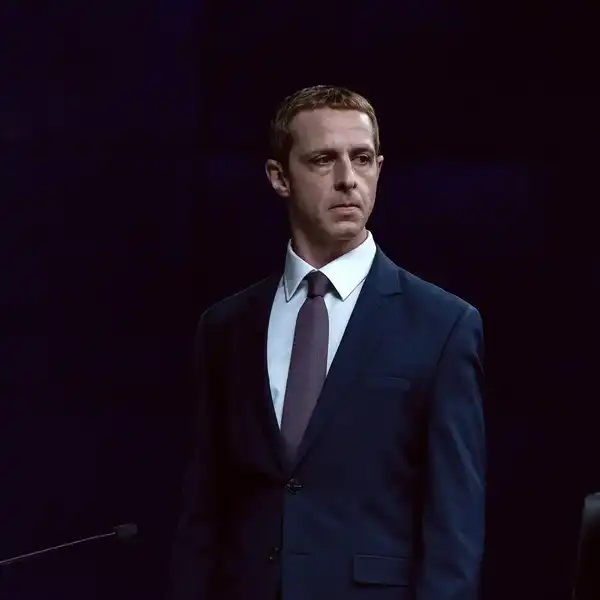
Critics Are Sacking 'Him' But...Should You?
Marlon Wayans responded to negative 'Him' reviews.
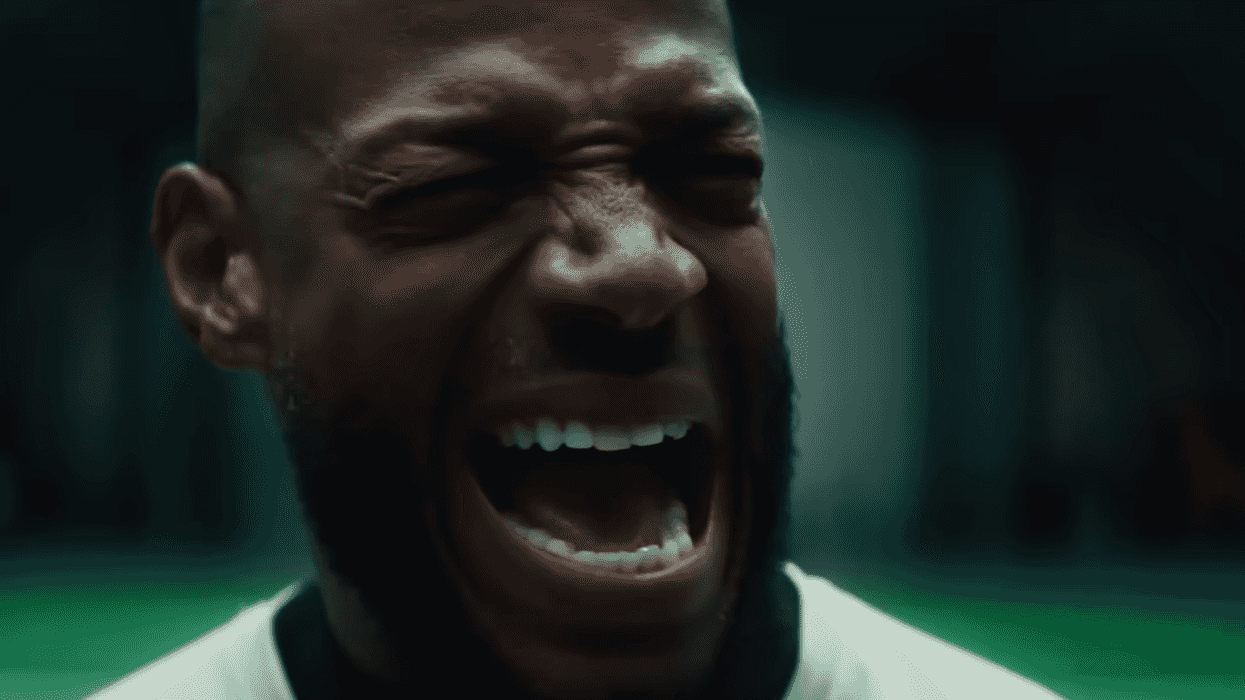
HIM
The critical response to the new Justin Tipping film, HIM, has been overwhelmingly negative.
The horror/thriller follows hotshot quarterback Cameron Cade (Tyriq Withers), who suffers a traumatic head injury and almost sees his dreams as a professional die. But when he's offered the mentorship of the legendary Isaiah White (Marlon Wayans), he eagerly travels to his desert compound. There, Cam must decide what sacrifices he'll make for the sport.
I was texting right after watching with a filmmaker friend as the credits were still rolling in the theater, and we agreed it was fun. (However, he didn't love the ending. I countered that I enjoyed how Tim Heidecker's character left the finale, IYKYK.)
Then I opened Letterboxd and saw a few of my other cinema buddies ripping the film apart with 1- and 2-star reviews, landing it a 2.6 average. As of this writing, Metacritic has the film at a 38 (generally unfavorable), while Rotten Tomatoes has the film at a 28%. I was surprised.
Now Wayans has responded to the criticism via Instagram, posting a carousel of some of his movies that were poorly reviewed but today are fan favorites, like White Chicks.
He wrote:
I respect critics. Their job is to critique. I respect their work. It shapes our industry. But an opinion does not always mean it’s everyone’s opinion. Some movies are ahead of the curve. Innovation is not always embraced and art is to be interpreted and it’s subjective. I’ve had a career of making classic movies that weren’t critically received and those movies went on to be CLASSICS. So don’t take anyone’s opinion just go see for yourself. Love to all.
Reactions to this film got us thinking about film criticism as a whole.
Film Criticism Needs Context
Look, HIM isn't a perfect movie, but understanding where it succeeds and struggles requires looking beyond the immediate reactions or the swell of online negativity.
It's an ambitious project with strong performances from Withers, Wayans, and Julia Fox, and it asserts itself stylistically with striking visual moments. It literalizes what critics of the sport have been saying for years, that the damage the human body incurs in the name of football is a form of body horror.
Just as Wayans said in his tweet, I understand art is subjective. I also understand the moments when you have such a visceral reaction to a movie that you're upset you even spent time watching it, and you slap that single star with a vengeance. (Hey, I've done it.) But I feel there are a few unique things at play in this movie's case and why it's struggling.
The Marketing
Many people have been confused by the marketing of this film. I've seen TikToks and Reddit threads from fans who just misunderstood the "produced by" credit with regards to Jordan Peele, and felt bamboozled that it wasn't actually a Peele film.
Peele's Monkeypaw Productions is known for films like Get Out, Us, Candyman, and Nope, works that blend horror with social commentary. When some audience members expected Peele's approach and got Tipping's more brutal and surreal vision instead, there was likely some jarring disconnect.
Genre Expectations
Some viewers wanted more football, others wanted more traditional horror. (We've already talked here about how you shouldn't bring in preconceptions to a film.)
But as Slashfilm's review clarifies, this is not a straightforward "football" movie, but exists "somewhere in the netherworld between Rob Zombie's The Lords of Salem and Gore Verbinski's criminally underrated A Cure for Wellness, with a little of Oliver Stone's Any Given Sunday thrown in for the hell of it." That's a potent mix for someone who is expecting something totally different.
Generally, I also think that films about cults are often a hard sell, as we saw earlier this year with the Ayo Edebiri starrer Opus, which was similarly panned (39% on Rotten Tomatoes). It's really hard to make this kind of movie fresh.
In a cult film, whether it's Midsommar or Wicker Man, what you're going to see is an outsider coming into a weird situation. The existing cult wants the protagonist for either indoctrination or sacrifice. That's just how the trope goes, and it rarely deviates, with the only question being how we'll reach that character's end. Sometimes it feels a little rote, but sometimes a film manages to make it interesting.
- YouTube www.youtube.com
Other Questions to Consider
When evaluating a polarizing film like HIM, aspiring critics can ask themselves a few things to get to a deeper read of the story, whether you liked it or not.
Where does this fit within genre traditions (body horror, social thrillers, mentorship films) and what conversations is it entering with similar films?
How can cultural context (from CTE awareness to racial dynamics in sports) inform your reception?
Am I judging the film on what it is or what I expected it to be? How do my own experiences with sports/competition/fan culture color my reaction?
If we want to get real nerdy, we can think about things like how industry factors (budget, director experience, studio politics) or the release date (the fall, coinciding with football season) come into play. What else is going on in the world that might influence how I feel about the film or the story it's telling?
Whatever you feel, we respect your opinion. If you're interested in becoming a professional critic, check out our film criticism primer.
- What Happened to Spoof and Parody Films? | No Film School ›
- The 10 Funniest Horror Comedy Movies You Need to Watch This Year ›
- It's Been 20 Years Since 'Requiem for a Dream' Scarred Us All for Life ›
- 7 Horror Movies Marlon Wayans Plans to Spoof in 'Scary Movie 6' ›