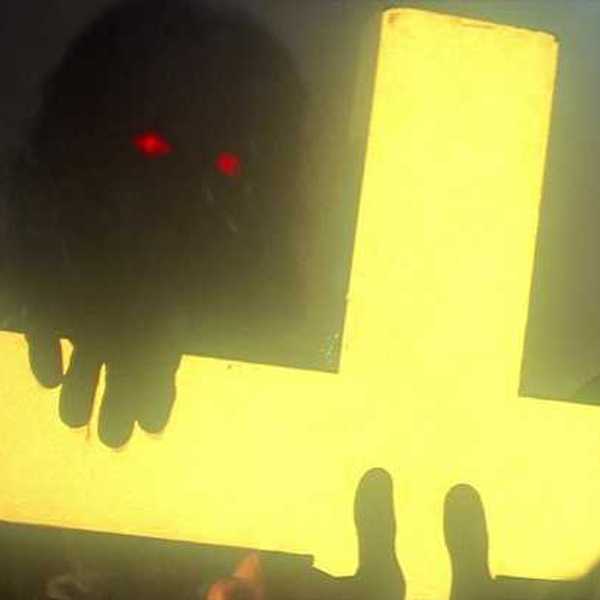
Set in the Emmy-winning world of The Boys, Gen V superheroes are still learning to control their powers, and the results can get messy. For VFX Supervisor Karen Heston and VFX Producer Sean Tompkins, bringing that chaos to life meant grounding even the most outrageous moments in reality, blending physical performances and practical effects with seamless digital work.
Working alongside artists at DNEG, Heston and Tompkins carried that approach across hundreds of shots, from detailed characters and environments to the show’s signature gore. With as many as eight episodes and 1400 shots moving through post at once, the team relied on Adobe Substance, Adobe Premiere, and Adobe Photoshop to collaborate across departments and tackle complex VFX challenges. For some of the show’s most gruesome moments, artists used body-tracked digital doubles to simulate blood, organs, bones, and explosions—giving the team precise control while keeping the action rooted in the actors’ performances.
Heston, Tompkins, and the team at DNEG—VFX Producer Oliver Eikhoff and VFX Supervisors Andrew Simmonds and Bhanu Prakash—sat down with us to discuss the power of thoughtful world-building and their love of well-executed gore.
Karen, as VFX Supervisor, what was the overall creative vision for the VFX on Gen V? How did you work with DNEG to bring that vision to life?
Karen Heston: Our overall creative vision for the VFX on Gen V was to make everything feel as grounded and visceral as possible, even when the story became completely insane. We wanted the audience to believe these characters and their powers existed in a real world—with real physical consequences—rather than feeling like they were simply watching a superhero show.
A big part of that was finding the balance between practical effects and VFX. We always wanted the performances, camera, lighting, and physicality of the actors to drive the shot. VFX was there to enhance that reality and take it somewhere we couldn't achieve practically, not replace it.
I’ve worked with DNEG’s Oliver Eikhoff for a long time, and I was thrilled when he came on board for Gen V. Likewise, Andrew Simmonds is DNEG’s VFX Supervisor, and that role really requires being in sync, not only creatively, but technically. You need to have a shared aesthetic and a common understanding of how to execute the vision. They bring incredible technical knowledge while always understanding the bigger creative picture, which makes collaboration easy.
Together, we were able to build a really strong relationship between production and DNEG, and work as one team to carry the creative vision of Gen V through every stage of the process.
Oliver, as DNEG’s VFX Producer, what was the collaboration like with Karen, Sean and the broader Gen V VFX team?
Oliver Eikhoff: The collaboration was fantastic! We already worked together on the first season of Gen V and had established a great working relationship. For season 2, we got involved relatively early while the shoot was still going on. This helped us a lot with the planning and casting of our internal team of artists to make sure everything was aligned for the much bigger scale of this season.
The communication with Karen and Sean was what I would say stood out the most: it really felt like we were collaborating and working together to help realize the creative vision of the show.
Episodic productions are incredibly fast-paced: at one point we were working on all eight episodes simultaneously while developing multiple hero effects across our total of 450 shots. Thanks to Karen's and Sean's strong leadership and clear communication, we were consistently working toward our common goal of delivering the high-quality standard expected for a show set in the Vought Cinematic Universe.
Sean, as VFX Producer, what did your role look like across the project from initial planning through final delivery?
Sean Tompkins: The road on Gen V was quite a long one. For this project, VFX ends up on the project for about 1.5 years from start to finish. My process starts with an initial breakdown of the script, where I highlight and call out any possible visual effects. From there, I create a VFX breakdown and confer with Karen to make sure we are on the same page with the callouts. I then move into a first pass of numbers where we are also putting together the initial shot count estimates for the episode to help gauge the budget.
Once production starts, I work with Karen to make sure that the numbers we initially talked about with everyone are what is shot and that nothing is added. I also watch dailies to make sure we stay on track, and there are not “gotchas” looming out there to surprise us.
When production wraps for an episode, we are quickly into post. As soon as I can get my hands on a cut, I start to put together some initial budgets and flag anything that is largely outside of our original VFX scope. Once we get closer to locked cuts, we start to share with the vendors to get a sense of where they are really landing and to put together our final vendor work plan. On Gen V, we were able to get our turnovers started at the Studio cut phase, so at that point we get started on shot work. The shot work period is a roughly 6-month roller coaster of notes, schedules, and potential overages that we navigate across 1400 shots and hope to end up right on pattern and on schedule at the end.
What Adobe tools did the DNEG team use throughout the project, and what made them the right fit for the work?
OE: At DNEG, Photoshop is a staple across multiple departments. Our concept art team leans heavily on it to design key looks, such as Jordan’s vein look and the Elmira prison environment, before we get to CG. From there, Photoshop is our go-to for matte painting. On Gen V, we used it for everything from bathroom mirror smudges in Episode 201 to blood on the seminar room floor in Episode 208.
Substance 3D Painter is a core component of our texturing pipeline, used heavily by our build and environment teams. The software allows us to rapidly look-dev and apply complex textures to our assets. Additionally, Premiere served as the primary editorial tool for Gen V at DNEG, playing an essential role in organizing the shot lineup and ensuring seamless alignment with the production team. Our typical turnover workflow begins by importing the sequence cut and pull EDL into Premiere to establish a master timeline. We also used Premiere for QC; each version is imported and cut into the timeline to verify that frame ranges, color, and overall framing match the provided editorial reference before updates are shared with the production team.
Andrew and Bhanu, as DNEG’s VFX Supervisors, what were some of the biggest creative or technical challenges you encountered, and how did you solve them?
Bhanu Prakash: We had a bunch of complex challenges to tackle across multiple sequences, but the one that immediately comes to mind is the Godolkin skin-healing sequence in Episode 207. We had to visually show Godolkin’s grotesque skin gradually transforming back to normal skin. To achieve this, we had to model two variations of Godolkin, one with the grotesque skin and another with the regular skin. We then did body tracking for each shot, after which FX simulated the skin transition in patches. The simulated maps were then provided to lighting, who rendered both variations. These were finally brought together and revealed in comp to achieve the final look.
Andrew Simmonds: Another creative challenge was working on the Godolkin explosion moment from Episode 208. Using our FX team to tear flesh and simulate blood and gore was complex. We started building our high-resolution Godolkin digital double. This included skin, muscles, internal organs, and a skeleton. We then worked out the best way to explode the character by body-tracking the plate and then doing a digital takeover of our CG asset, with the animation driving the FX simulation to throw the blood and gore where we wanted. Once we had this, we systematically went through each layer and tuned it until we were happy with its performance.
 'Gen V'Image Courtesy of Amazon MGM Studios | Gen V
Image Courtesy of Amazon MGM Studios | Gen V
What was your favorite VFX sequence, shot, or element from the project? How did it come together, and what went into achieving the final result?
KH: One of my favorite elements was the evolution of Marie’s blood powers, particularly the tendrils. We never wanted them to feel like red energy beams; they needed to retain the weight, viscosity, translucency, and unpredictability of real blood.
We built the effect around Jaz Sinclair's performance and choreography developed by John Koyama, using practical blood, prosthetics, and interactive elements wherever possible. DNEG then extended that work digitally, refining the movement, lighting, droplets, and contact with Marie and her environment. It’s a great example of what Gen V does best: combining character, performance, practical effects, and complex digital work without allowing the spectacle to overwhelm the story.
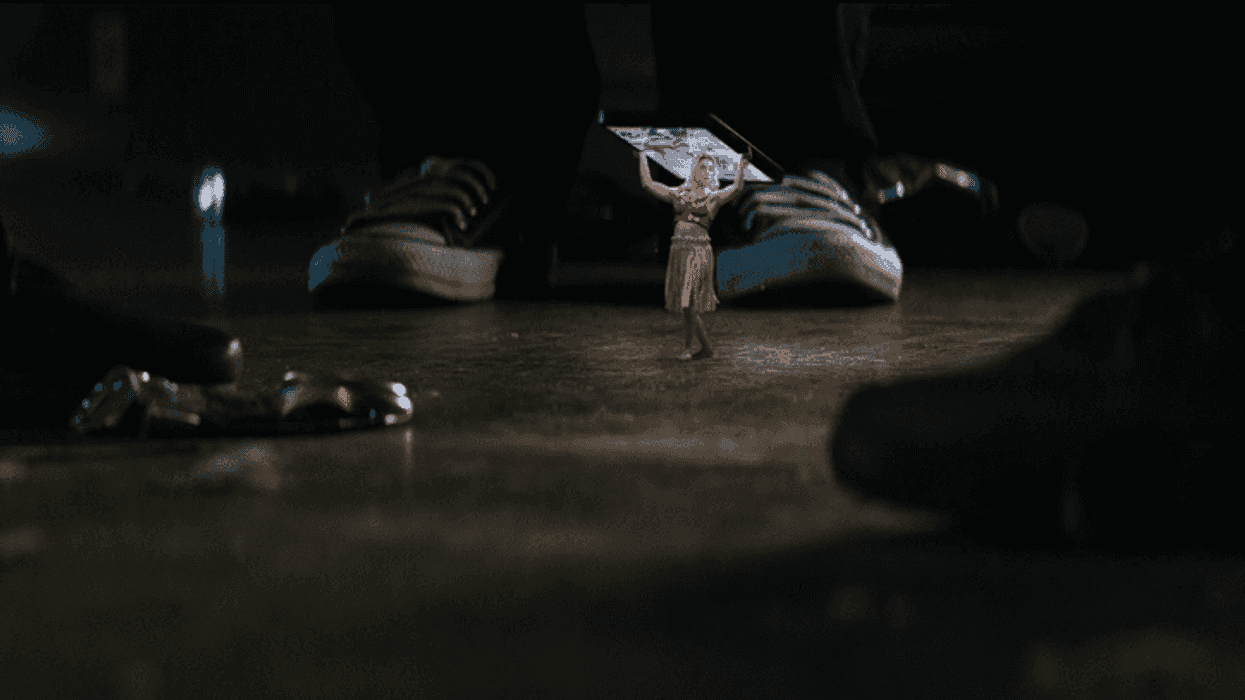
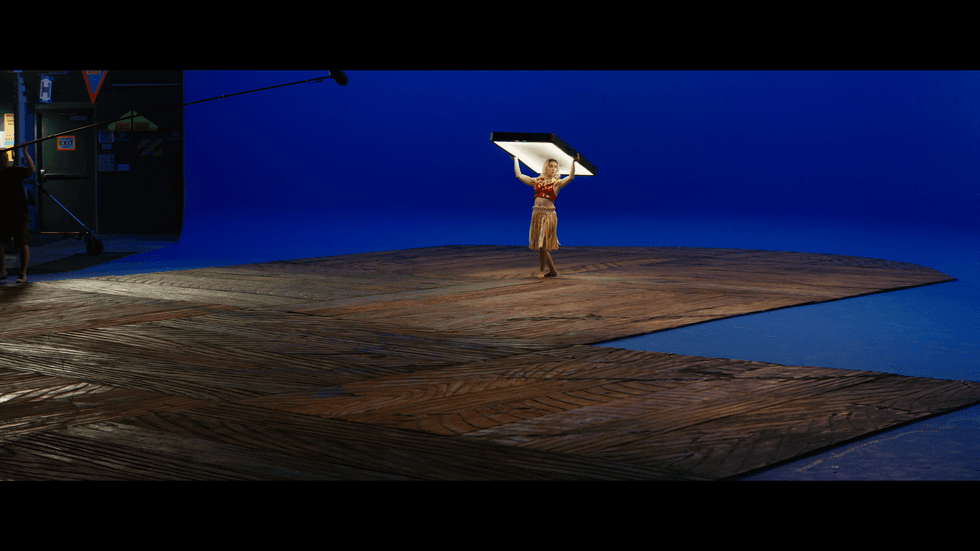
ST: My favorite sequence in the season was Tiny Emma running through the fraternity. I loved the amount of prep and thought that went into this sequence. We started with some initial talks with the Director and Executive Producers about the basic beats and flow of the sequence. In order to really sell the fact that Emma was tiny, we knew we were going to need to ground her in the tiny world through intentional prop placement and scaling.
In our tech viz stage, we calculated the size the lamp base or floor tiles would need to be and laid out the blue screen based on the size Emma had shrunk down to. The practical camera lensing needed to translate Emma from her blue screen practical size into the practical background plates of the partygoers' feet. After all plates had been shot, we enlisted the team at DNEG to help us put the shots together. With DNEG, we worked to make sure the focus levels were right to properly set her depth of field. We also added some atmospheric elements and some animated CG pieces, like the bouncing cigarette, to really sell the world of Tiny Emma.
BK: My favorite sequence would be the blood bag. To achieve the desired look, we had to go through multiple iterations involving Asset, Animation, FX, and CFX. Once we got the desired movement and overall look, the next challenge was balancing the air movement inside the bag and the blood residue at the top to match the practical effects as closely as possible.
Watch Gen V on Prime Video.