Even for the most steel-hearted hero, to realize that their mentor is evil in reality is psychologically devastating.
Ask Batman or Winston, and they will tell you. That’s probably why, although underused, the “mentor becomes the final threat” is one of fiction’s most beloved screenwriting tropes.
In this article, let’s break down this screenwriting trope that explores deception and betrayal in their ultimate forms.
What Is the “Mentor Becomes Final Threat” Trope?
Also known as the “evil mentor” trope, the “mentor becomes final threat” trope is a narrative element in which the protagonist's mentor ultimately becomes an antagonist.
Narratively, this serves as the ultimate test of the hero's growth, as it not only tests them but also their emotions and philosophy.
The “mentor becomes final threat” trope usually ends with a climactic conflict between the mentor and the mentee, forcing the latter to go against someone they have not only idolized but also learned from. Think of it as betraying your parents (because often, mentors or “gurus” are held in the highest regard).
The Anatomy of a Good “Mentor Becomes Final Threat” Story
The hero is emotionally vulnerable when he stumbles upon his mentor. The mentor appears to be a savior who not only gives the hero a purpose in his seemingly lost life but also provides the knowledge, training, and protection to help him grow to his fullest potential, shaping him into his own legacy.
As the hero grows and begins to understand life in his own way, subtle cracks appear between the mentor and mentee over philosophies and ideals. The mentor's method is often questionable, revealing a darker edge.
The hero realizes that he was not the mentor's protégé, but rather just a pawn or a tool for the latter’s selfish motives and ambitions.
The final conflict serves as the hero's ultimate test, as he fights his mentor.
 Senator Palpatine and Queen Padmé Amidala in 'Star Wars: Episode I - The Phantom Menace'Credit: 20th Century Fox
Archetypes of the Evil Mentor
Here are the different types of evil mentors:
1. The Manipulator
Example: Palpatine in Star Wars, Atlas/Frank Fontaine in BioShock
This is the mentor who never cared about the hero and feigned affection to ensure loyalty by exploiting the hero’s vulnerabilities. In reality, the mentor has associated with the hero only to get their dirty job done.
2. The Darwinist
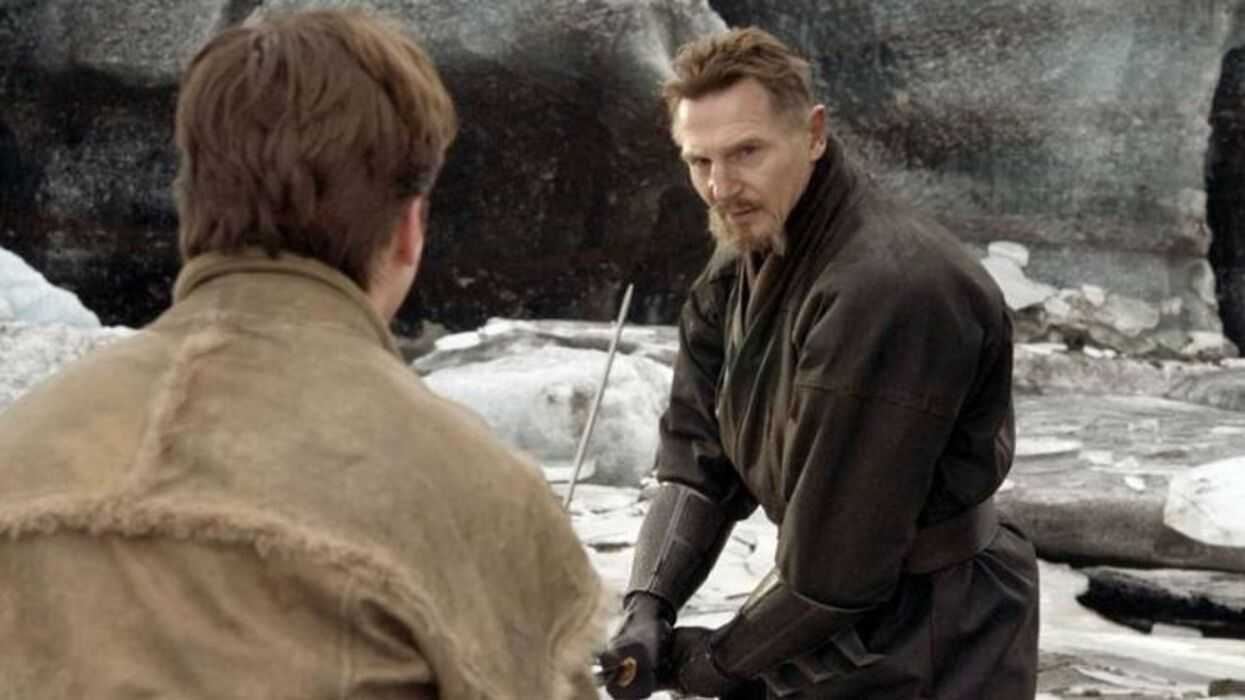
Example: Ra's al Ghul in Batman Begins, The Boss in Metal Gear Solid 3
They care about the hero as their own and genuinely want him to succeed; however, their belief in the “survival of the fittest” and in tough love pits them against their disciple.
3. The Fallen Idealist
Example: Master Asia in G Gundam, General Shepherd in Call of Duty: Modern Warfare 2
This is the good mentor who has been corrupted by despair or extremism. They consider themselves to be antiheroes when, in reality, they’ve gone astray.
4. The Deconstructor
Example: O’Brien in 1984, Kreia in Star Wars: Knights of the Old Republic II: The Sith Lords
These mentors aren’t essentially evil; however, the conflict arises when they try to psychologically cure the hero of hope, humanity, or delusion by rewriting them.
What Makes the Trope So Effective?
The relationship between a mentor and their mentee is completely built on trust. But this trope creates a conflict between the expectations and reality by turning the protagonist’s source of safety and wisdom into their greatest danger.
Here’s why the trope resonates with the audience:
1. Triggers Fear
We are conditioned to trust caregivers. So, when someone as trusted as a mentor turns evil, it triggers a primal fear. The protector is the predator.
It also creates cognitive dissonance for the hero (and the audience) as the narrative builds to the climax, where the hero must destroy the person they hold in the highest regard.
2. The Journey of Growth
To fight someone with whom you share a deep connection is way more difficult than fighting a stranger. Naturally, this trope is centered on the hero’s physical and emotional growth.
3. Idealism versus Dogma
A conflict between a mentor and mentee isn’t simply about good vs. evil; rather, it’s more about idealism vs. cynicism.
The “evil mentor” trope explores societal degradation, bringing us face to face with our worst fears as the hero fights for their own worldview against the cynic who birthed them.
4. The Betrayal Feels Personal
The “evil mentor” trope is indeed a great plot twist, because along with the hero, we, the audience, have also been tricked. When done right, the trope has the audience go back into the story, looking for easter egg clues that might give away the plot twist beforehand.
5. Tragedy Before Triumph
Interestingly, although the mentor turns out to be evil, we, the audience, often do not really look forward to their end. The fact that these mentor characters shaped the heroes we love so much adds a layer of bittersweet tragedy to the victory that the traditional good-versus-evil trope lacks.
We hope this helps!
- What Are Movie Tropes? ›
- What is the "Chosen One" Trope? ›
- The Heather Trope—What Is It, and How Do You Write This Character? ›
- 'Pig' and 'John Wick' Are Prime Examples of Shaking Up This Trope ›
- How Jack Reacher Was Formed To Combat This Detective Trope ›
- How To Avoid the Manic Pixie Dream Girl Trope (For Men!) ›
- 'Station Eleven' Avoids This Dystopian Storytelling Trope (And Is Better For It!) ›
- How to Avoid the 'White Savior Trope' ›
- 8 Greatest Movie Mentor Quotes Of All Time ›