Shooting a high-concept action movie without studio-sized money might sound impossible—but for Lost Horizon director Patrick Garcia (Hell Trip, Last Sacrament), constraints became the engine of creativity. Faced with everything from a short prep window to challenging terrain, Garcia leaned into authenticity, tactical choreography, and intentional planning to build a film that feels bigger than its resources.
When discussing this topic, Garcia says, “I realised that the most effective approach was to prioritise realism—allowing the characters’ backgrounds and the story itself to dictate the nature of the fight scenes and action beats, rather than attempting anything overly ambitious within the time we had. Ironically, these constraints worked in our favour.”
Garcia’s approach offers a practical roadmap for indie filmmakers: let the real world shape the action, keep the story in the driver’s seat, and use limitations not as obstacles, but as the springboard for action that feels grounded and genuinely intense. Garcia dives more into the making of Lost Horizon below.
Epic Pictures’ Lost Horizon is now available on digital. Learn where you can watch here.
Let's dive in.
- YouTubewww.youtube.com
No Film School: Lost Horizon looks like a big, kinetic leap forward in your filmmaking. What was the original spark for this story, and how did it evolve from concept to finished film?
Patrick Garcia: Following the success of our previous feature films, I was approached by Saturn Media House with a novel they had acquired, Oos Van Pafori, an Afrikaans book they were considering adapting into a feature film. While the script for Lost Horizon is entirely original, the novel planted the initial seed for the film’s backdrop—a civil war in an African country. With less than three months before principal photography, I had to develop new characters and an entirely new narrative set in a contemporary era. I also chose to make the film in English rather than Afrikaans to enhance its commercial appeal for the international market. Having worn many hats, as director, writer, and post-production company owner, I always consider the post-production requirements from the outset. This approach allows me to determine the full budget of the film and ensures we remain within the production constraints when planning our shots.
NFS: Action filmmaking is all about rhythm and geography. How did you approach staging and shooting the action sequences to keep them visually clear but still visceral?
PG: Over the past decade, shooting action films has become something of a specialty for me. Our upcoming slate includes the Mission: Impossible meets John Wick–style action franchise Kill Site and Kill Site 2: Order of Shadows, slated for release in 2026 and 2027, as well as the Die Hard–inspired franchise Zero Hour, set to debut in late 2026.
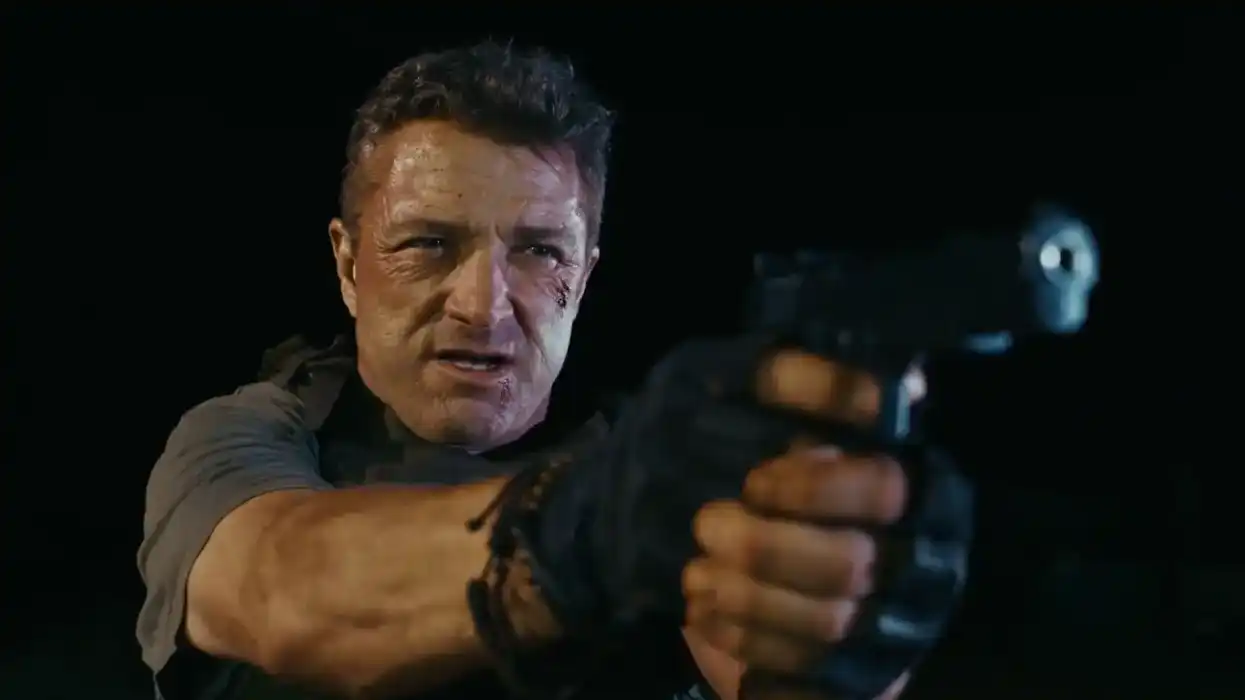
With Lost Horizon, however, I wanted the characters to remain grounded—authentic to both their professions and the circumstances surrounding them. Despite the limited prep time for choreography and blocking, we approached each movement and action sequence through the lens of the characters’ military training. I prioritised realism and physical credibility over exaggerated, “movie-magic” combinations that can feel staged or overly rehearsed.
By thoroughly blocking the sequences with the actors, we established a clear understanding of the physical beats, which allowed us to position the camera with precision and execute clean, visceral, and impactful action moments.
NFS: What were some of the biggest technical or logistical challenges on set, and how did your team overcome them?
PG: Travelling to a remote African region with an entire production team—along with extensive equipment, wardrobe, and a sizeable cast and crew—inevitably brings a host of logistical hurdles and challenges. Large-scale sets, particularly for the soldiers’ base camp and the rebels’ encampment, had to be constructed under scorching temperatures. Navigating remote mountain trails and exploring abandoned mining caves once belonging to the old Paul Kruger mines made us feel as though we were stepping into history. The very real presence of snakes and wild animals heightened the atmosphere and contributed to an unforgettable experience.
Because I had personally handpicked the crew and cast—many of whom I had collaborated with on previous productions—it was far easier to delegate tasks and responsibilities with confidence. This familiarity allowed us to operate efficiently as a cohesive unit, helping us overcome obstacles quickly and maintain momentum throughout the shoot.
NFS: You are known for being a VFX guru. How did you get into the VFX world, and can you talk about the VFX on Lost Horizon?
PG: My journey into animation and visual effects began with a childhood fascination for comic illustrations. As a young child, I created two complete comic books—entirely in pencil—featuring original superheroes that I both wrote and illustrated.
Fast forward to 1995: one evening, I went to the cinema and saw Toy Story. It was the first time I had ever witnessed 3D animation used in a feature film. Toy Story changed the trajectory of my life forever. From that moment onward, I set out to learn everything I could about 3D animation and visual effects.
It wasn’t long before I began directing and shooting television commercials, gradually building a strong portfolio that included both small and major brands. As the years progressed, I founded my own post-production studio, ACT Animation Films, and went on to create two 3D animated productions: a television series titled The Zens and a 3D feature film called The Body Defenders.
The only drawback to animation was the immense cost and time investment; it could take years to produce a single film. Yet my passion for filmmaking never faded, and it eventually led me to establish a separate division, ACT Films, dedicated entirely to live-action feature production.
Today, ACT Films and its sister company, Films Invest, have produced nearly fifteen feature films for both clients and our own in-house slate. Our titles have sold globally to platforms and distributors such as Netflix, Amazon Prime, and Lionsgate, among others, with many more films currently in the pipeline.
NFS: Did you design your action scenes around the story—or did the story bend to fit certain sequences you knew you wanted to shoot?
PG: Normally, we choreograph and block our action scenes weeks in advance, but on Lost Horizon, we had an exceptionally limited pre-production window. I realised that the most effective approach was to prioritise realism—allowing the characters’ backgrounds and the story itself to dictate the nature of the fight scenes and action beats, rather than attempting anything overly ambitious within the time we had. Ironically, these constraints worked in our favour. They pushed us toward a more grounded combat style, informed by techniques used by mercenaries and military veterans, which ultimately enhanced the authenticity and intensity of the war sequences.”
NFS: You’ve worked on both smaller, contained projects and larger-scale action stories. How did your directing process adapt for Lost Horizon’s scope?
PG: Having just completed three other action films at the time, I was well prepared for the challenges Lost Horizon presented—and, for the most part, I genuinely enjoyed the experience. When shifting from a contained set or single-location shoot to an away production with multiple locations, logistics inevitably become the primary challenge. That’s why assembling the right crew is absolutely essential. If you do the necessary prep work in advance and anticipate potential issues before they arise, the rest of the process becomes far more manageable.
NFS: Can you talk about your collaboration with your cinematographer—what camera package, lenses, or shooting style helped define Lost Horizon’s look?
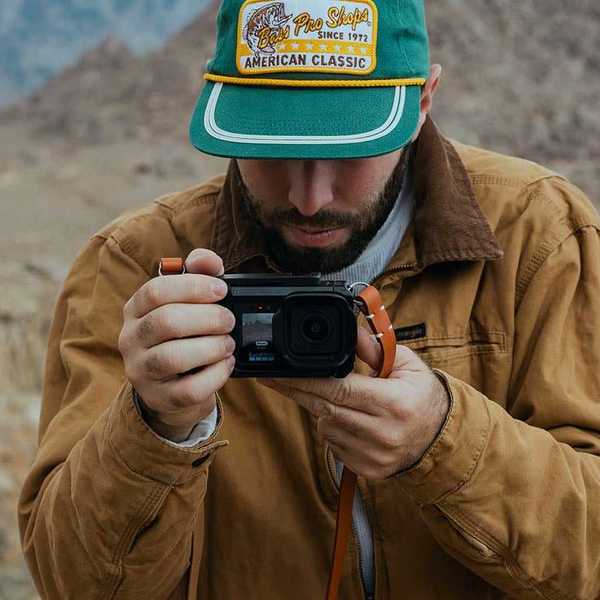
PG: I shared my original mood board—which defined the film’s visual tone and aesthetic—with my exceptionally talented DP, Brendon Keyser. Together, we developed a custom LUT which we could see on the director's monitor, which worked well with the FX3 camera, a system widely recognised for its use on the blockbuster film The Creator.” I knew we didn’t have the largest lighting package to light up miles of road at night, so the FX3 was the perfect choice for low-light conditions and small and versatile enough to attach to our camera rig system. I looked at many lens options from Cooke, Zeiss, Canon, etc., but in the end, Rokinon Cine Lenses prevailed because of their affordable price point. From here, we had countless discussions about how to best execute shots. Having directed and served as DP on many of my previous features, I enjoyed our collaboration and remained beside the cinematographer throughout the entire process, outlining each setup and making necessary adjustments to ensure we captured every moment.

NFS: Were there any specific films or directors that influenced your visual approach or tone here?
PG: A month or two before shooting any genre-specific film, I make it a point to watch—or rewatch—key titles within that genre and study them closely. For Lost Horizon, three films stood out as major influences. Lone Survivor (2013) and Tears of the Sun (2003) helped shape the tone and grounded realism of the film, while the sci-fi feature The Creator directly influenced our decision to use the Sony FX3 for its exceptional low-light performance and versatility during action sequences. Its aesthetic and technical approach informed much of the film’s evening and night-time visuals.”
NFS: Looking back, what did you learn from directing Lost Horizon that you’ll take with you to your next project?
PG: Patience and the discipline to tackle one hurdle at a time will almost always lead to success. The key is to compartmentalise on-set challenges while maintaining laser-sharp focus on your primary goal. With that mindset, anything is achievable.
NFS: For filmmakers reading No Film School who want to shoot action on a limited budget, what’s your best piece of advice?
PG: The advice I would offer to any indie filmmaker taking on an action film is to choose your battles wisely. If you choreograph and rehearse your action scenes thoroughly during pre-production, you will save substantial time and money during the shoot. This preparation also frees you to experiment with camera angles and allows for additional takes, giving you far more options in the cutting room. Above all, prioritise safety—take the necessary precautions to minimise risk and prevent injuries to your actors, as even a small incident can halt or jeopardise an entire production. Smaller camera rigs provide greater versatility for fast-paced action, so if you're working with a tight budget or schedule, keep your equipment and setups compact and efficient.
On the post-production side, make sure your workflow aligns with the technical delivery standards of platforms such as Netflix, Hulu, and Disney+. Reshoots are expensive, so it’s essential to shoot with industry-compliant cameras and ensure you have sufficient storage and GPU capacity for the edit. Capture only what you truly need—for example, shooting an indie film in 8K when 4K would be more than adequate can be costly and unnecessary. Higher resolutions demand significantly more storage and longer render times. While major studios with extensive resources can afford to shoot at the highest resolutions, indie filmmakers must make strategic, carefully considered choices.