Paul Thomas Anderson’s Intimate World of Car Interiors
How the auteur director shoots cars like no one else.
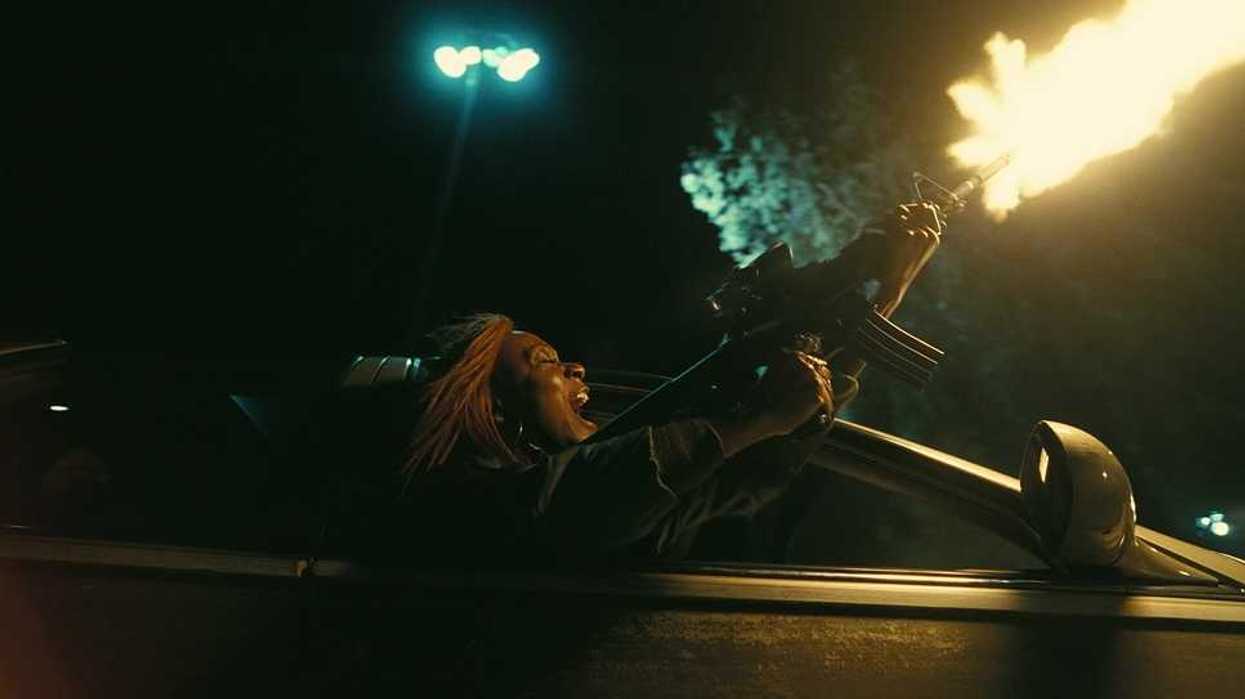
'One Battle After Another'
Paul Thomas Anderson is one of the most innovative and visually stunning directors. He has a unique ability to capture the human experience and to allow us to connect with his characters and their stories through some very creative camerawork.
But what's crazy about him is that he takes every shot as serious, and the one before it, and puts all his effort into making them special. Even shots of car interiors.
The video essay "Paul Thomas Anderson // Interior Car" from Corolla gives us a fascinating glimpse into this director's trademark.
Today, we're going to explore how Anderson uses the confined space of a vehicle to explore themes of isolation, connection, and the complexities of human relationships.
Let's dive in.
- YouTubewww.youtube.com
The Car as a Confined Space
If you've ever tried to shoot inside a car, you know the space is limited. It's not just claustrophobic, but it feels like there are only a few prescribed angles you can even get.
Enter Paul Thomas Anderson, a guy who refuses to do what's expected. And he is also someone who thinks about spaces and tries to use their ethos for the story. Anderson frequently uses car interiors to emphasize the characters' sense of isolation and containment. He makes them feel trapped, both physically and emotionally.
This is especially evident in his films like Boogie Nights and Magnolia, where characters often find themselves grappling with their inner demons within the confines of their vehicles.
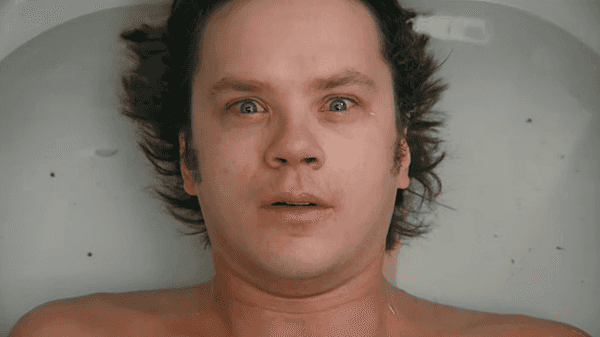
Think about the Wise Up montage, where we see people alone with their feelings, and cars are almost like prison cells, holding them, especially Julianne Moore's character.
- YouTubewww.youtube.com
The Power of Connection
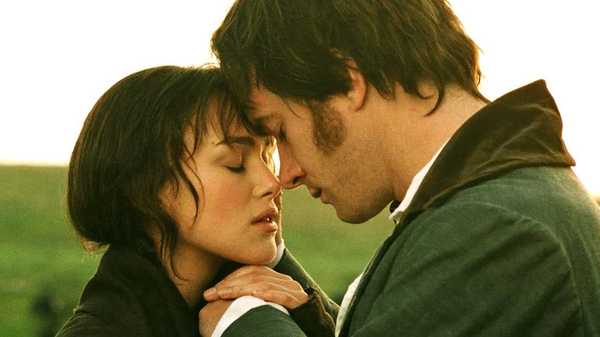
The thing is, Anderson can do the opposite, too. He also uses car interiors to highlight moments of profound connection between characters.
In films like There Will Be Blood and The Master, the car provides a space for characters to share vulnerable moments and build deep bonds. It's where they know they can only rely on each other.
Even if the moments in those movies are fleeting, they're enough to see the inner workings and dynamics.
The shared experience of being in a moving vehicle can create a sense of unity and shared purpose.
The Complexity of Relationships
Cars are so much more than just vehicles in PTA's movies, and the way he shoots them is so interesting.
While inside them, we can go low or high, he can be outside them or take you close in them to allow people to just share what's on their mind or a the front of the story.
Anderson's exploration of car interiors also reveals the intricacies of human relationships. The confined space can amplify existing tensions and create new ones.
In films like Phantom Thread and Licorice Pizza, the car becomes a stage for power struggles, misunderstandings, and moments of intense emotion.
- YouTubewww.youtube.com
A Visual Masterclass
Beyond its thematic stuff that he puts into every single one of his movies, Anderson's use of car interiors is also just inspiration for anyone who wants to imbue their films with a distinct style.
PTA employs a variety of techniques, such as close-ups, long takes, and creative lighting, to create a sense of immersion and atmosphere.
The way he frames his characters within the car and uses the surrounding environment to enhance the mood is truly remarkable.
And he does it all by just trusting what each movie needs and using the car for that.
Summing It All Up
The best directors take every shot and every scene seriously. And this proves that PTA is among them. Seeing what he does with cars and their interiors shows how deeply he thinks about filmmaking and how unique he is with his directing style.
Let me know what you think in the comments.