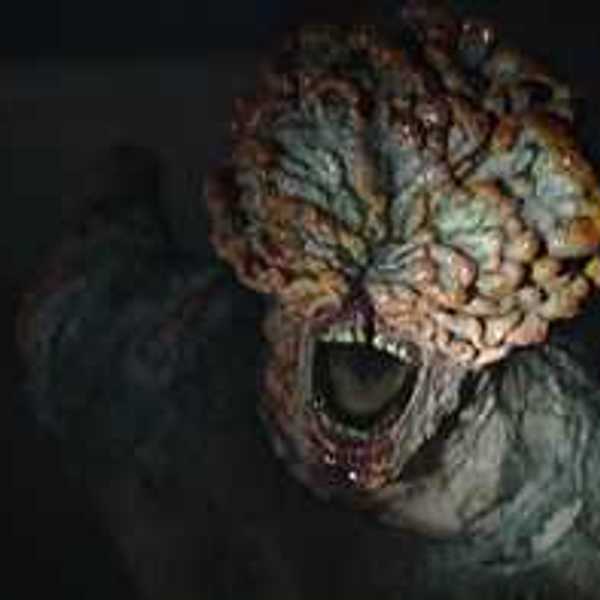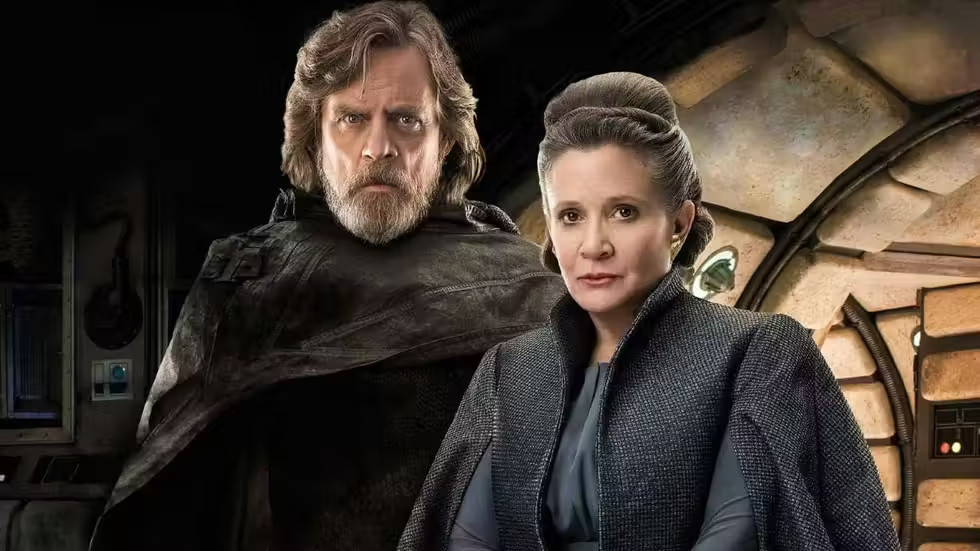
Star Wars: The Last Jedi remains one of, if not the most, controversial and consequential blockbuster of all time. Despite widespread critical acclaim and box office success, the fan reaction to the film remains to this day one of the most infamously polarizing in history. Regardless of personal feelings on how certain characters were utilized or depicted, the film remains brilliantly written and structured. Let’s take a look at a few of the biggest lessons a writer can learn from The Last Jedi.
Subvert Your Audience’s Expectations
Rian Johnson is a filmmaker whose screenplays are pretty well known at this point, through not only this film, but his Knives Out trilogy, for pretty much always keeping you guessing. And it’s not just because he decides to just throw every idea he has into the mix, and just see which ones work out. The Last Jedi, like all of his other films, is very deliberate about when it chooses to do something unexpected. The key to making something out of left field work as well as possible is to make sure that it still feels natural.
Luke’s introduction in the film is a prime example. The previous film in the franchise, The Force Awakens, left us on a pretty strong cliffhanger with Rey standing on the edge of a cliff, arm extended to Luke, offering him up his lightsaber. The first thing we see Luke do in The Last Jedi is chuck it over his head.
While this decision is far from what most people expected him to do upon first sight of his long-lost saber, it still presents a naturally occurring progression of the scene. We see it continue from there, as Luke offers one of his many justifications to Rey for why he fled the Jedi Order. It certainly wasn’t a decision that pleased every Star Wars fan, but in terms of structure and how to present a new idea naturally, it’s done exactly the way it should be.
Split Your Characters Up, Then Bring Them Back Together
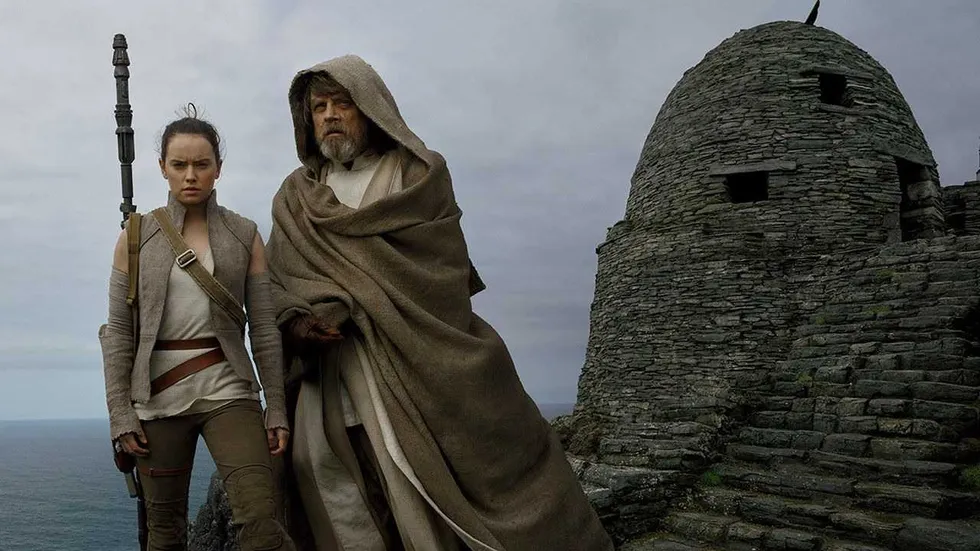 ‘Star Wars: The Last Jedi’Credit: Walt Disney Studios
Everyone is doing their own thing in The Last Jedi. Rey is on a deserted planet training with Luke, Finn is trying to break onto the First Order’s ship with Rose, Poe is dealing with being demoted by Leia, and Kylo Ren is struggling with his place in the galaxy after murdering Han Solo. They couldn’t be farther apart, both physically, but also with their individual goals and arcs if they tried.
With that said, the script makes a beautifully neat effort to collide the various storylines together, and make sure the characters all complete their arcs in the same place all in the third act. All of this is done in a few separate steps as the second act concludes, and the third act set piece in Crait begins. Rey breaks in, but is captured by the First Order on the ship at the same time as Finn and Rose. Poe and crew lead the diversion effort on Crait just as Rey is brought to see Snoke, Holdo’s sacrifice to allow them to escape breaks up the fights between Rey and Kylo, and Finn, Rose, and Phasma, the list goes on. All of these events give everyone else the excuse to make it down to Crait somehow for the big third-act climax to begin.
Additionally, Luke’s arc being completed by his projecting in front of Kylo as an additional distraction allows for other characters like Poe, Finn, Kylo, and even Luke himself to complete their arcs all at the same time to make for as satisfying of a conclusion as possible. The characters could not have started the film further apart from one another, but by the end, they’ve fully reunited.
How to Set Up the Final Chapter
Despite The Last Jedi’s commitment to standing on its own, it is also well aware of its place in the larger Star Wars canon, as well as its role as the second film in a trilogy. There needs to be some work done to allude to the final climax in the subsequent film, The Rise of Skywalker.
While the road ahead for the characters seems relatively uncertain, especially after the destruction of Rebel ships and the death of Luke Skywalker, Rey and Princess Leia remain confident in the gang’s ability to build the rebellion from the small set of scraps that they have left over. Very little information is given up front as to how they plan to accomplish their future goals, but at the present moment, it really isn’t needed. The character work is clearly laid out, and their motivations are clear. Rey is reunited with Finn, she finally meets Poe, who is on much better terms with the Princess than before, and Rey has significantly progressed in her training. They have everything they need.
Obviously, in hindsight, given the unexpected loss of Carrie Fisher in the middle of Jedi’s production, amongst other production hiccups, The Rise of Skywalker proved to be a more difficult entry in the franchise to bring to screen. But the bones The Last Jedi leaves us with, while minimal, remain sufficient for creating a satisfying conclusion.
- What's Up With Rose In 'The Last Jedi'? A Character Study ›
- 'The Rise of Skywalker' Writer Chris Terrio Settles the 'Last Jedi' Debate ›
- 33 Billion Minutes of 'Star Wars': The Shows and Movies Fans Can’t Stop Watching ›
- The Writing Lesson in "Somehow, Palpatine Returned" ›
- After Five Years, Rian Johnson Is "Even More Proud" of 'The Last Jedi' ›