From Box Office Struggles To a Cult Classic: How Time Rewrote ‘The Shawshank Redemption’
A classic that took the long road from overlooked to unforgettable.
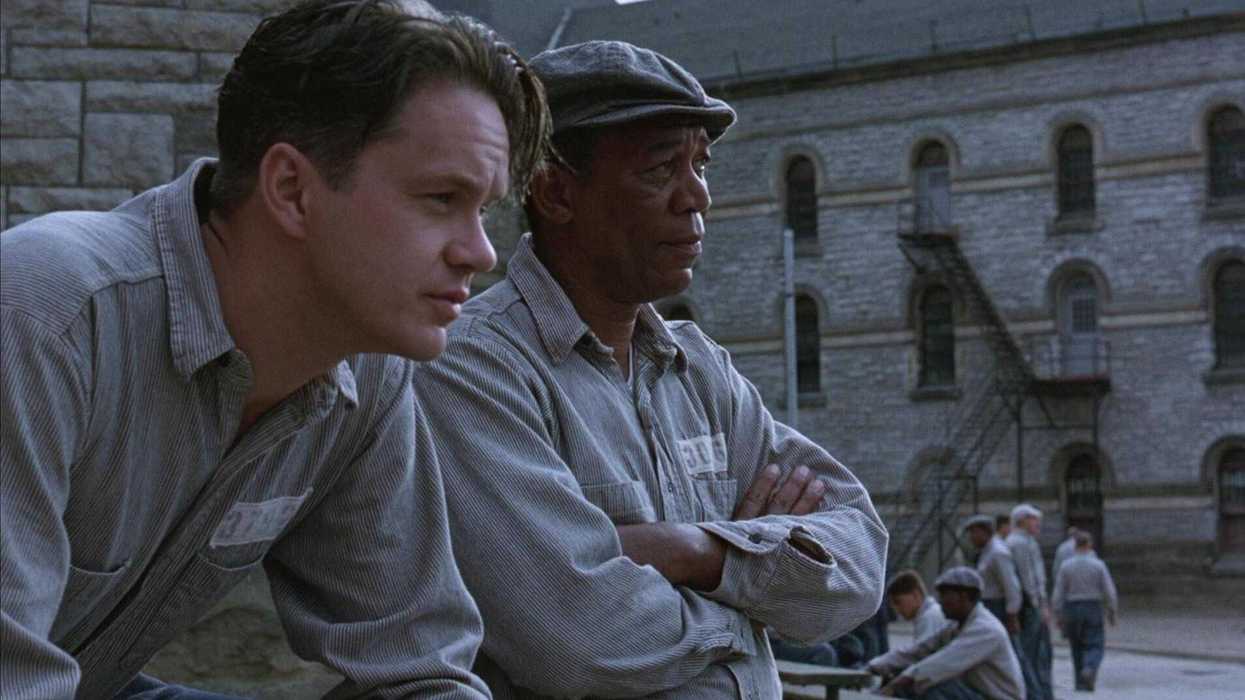
'The Shawshank Redemption' (1994)
Frank Darabont’s classic 1994 drama, adapted from Stephen King’s novella ‘Rita Hayworth and Shawshank Redemption’, is widely regarded as one of the greatest movies of all time. However, as many stories of greatness go, this was far from the case when the movie was first released.
The Shawshank Redemption, which follows the story of Andy Dufresne (Tim Robbins), a simple man wrongly accused of murdering his wife and her lover, as he forms a profound relationship with fellow inmate Ellis Redding (Morgan Freeman) inside the harsh walls of Shawshank State Penitentiary.
Despite receiving an overwhelmingly positive response at the movie’s test screenings, it opened to modest box office expectations in 1994. While stiff competition was considered one of the reasons, it remains quite baffling, even today, how Frank Darabont’s masterpiece earned only a reported $16 million during its initial theatrical release.
Why was The Shawshank Redemption poorly received? What did its journey from a box office disappointment to a cult classic look like?
Let’s jump right in and explore.
Was ‘The Shawshank Redemption’ Overshadowed Upon Release?
One of the theories regarding the movie’s initial box office struggles that are worth diving into is the level of competition The Shawshank Redemption faced in 1994. The movie entered an unusually competitive market in a year that witnessed two other classics of similar stature, Pulp Fiction and Forrest Gump.
In fact, Frank Darabont’s movie was released in the middle of the widely successful run of the Tom Hanks movie, and Quentin Tarantino’s Palme d’Or-winning film was released just a couple of weeks later. These movies weren’t just theatrical hits; they became a pop culture phenomenon.
If we take this “crowded cinematic landscape” theory a little further, we might also argue that The Shawshank Redemption’s rather intimate and introspective storyline was vastly different from the other films, which were uniquely entertaining. Darabont’s film was perhaps just as rewarding, but demanded a certain level of patience.
Yet another way of looking at it is that both Forrest Gump and Pulp Fiction captured a degree of cultural conversation with their distinct styles and strong marketing presence. It wasn’t a case of which film was better than the other; it was more about which film drew more attention at the time.
If we talk about thematic weight, The Shawshank Redemption is unapologetically brimming with emotional depth in a manner that, at the time, might have felt like it lacked commercial hooks. It is quite clear that this notion is far from the truth, but when we look at it over a few weeks, it can make or break a film’s theatrical run.
Finding Life Beyond The Big Screen
“Urgency” is a big word that was missing from The Shawshank Redemption’s perceived theatrical issues. Not the urgency of the film’s plot, but a more abstract idea of urgency that draws people to movie theaters. It is important to understand that this wasn’t a demonstration of the movie’s lack of appeal, but the other two films simply created a deeper sense of urgency.
Now, let’s get to the good part.
The real turning point for Frank Darabont’s movie came when it actually left the theaters and reached people’s homes. The movie quickly became one of the most rented VHS tapes in 1995, allowing countless viewers to connect with it and be pleasantly surprised by its fascinating ending. Interestingly, after 1997, the movie’s broadcast on cable television helped it find an even wider audience.
When we talk about a movie’s life beyond the big screen, we also have to try to understand what fueled this second most important phase. In the case of Darabont’s movie, while today it is considered a classic beyond measure, at the time (pre-Internet boom), word of mouth was everything.
The Shawshank Redemption is precisely the kind of movie that invites debates, especially thanks to the shock factor in its iconic third act. The experience of watching the movie for the first time can be so rewarding that you’d likely want to mention it to a friend, and this was invaluable to the movie back in the late 1990s.
How Audiences Redefined The Movie’s Legacy
It is no secret that audiences can make or break a movie, not just during its theatrical release but after it. The Shawshank Redemption is one of the greatest success stories in this regard because audiences took ownership of it in a way that few movies ever experienced.
As the internet became more popular, the movie steadily climbed IMDb's top 250 movies list, and as of April 2026, it continues to retain the top spot. The movie’s message, which suggested that “hope is a good thing, maybe the best of things,” struck a chord with audiences worldwide.
Andy Dufresne’s resilience is quiet, patient, and inspiring to pretty much anyone who watches the movie. As the film became more widely known, none of its elements that might have caused its theatrical struggles seemed to bother its growing audiences. Even today, the movie continues to find new audiences, just like it did in the late 1990s and later during the internet boom, in what is considered one of the greatest movie success stories of all time.
Summing It Up
The Shawshank Redemption stands as a powerful reminder that not every great movie announces itself with huge theatrical numbers. Some struggle, but their quiet brilliance finds audiences along the way. Today, Frank Darabont’s movie remains a beacon of hope in a crowded cinematic landscape and an increasing number of screens that every audience member owns. Great cinema will always find its viewers, and even in the grimmest of moments, when it may seem unfeasible, it's important to remember that hope is a good thing.
Which is your favorite movie from the 1990s? Tell us in the comments below.
- The Highest-Grossing Actor of All Time Might Surprise You | No Film School ›
- 9 Highest-Grossing Action Movies of All Time | No Film School ›
- Superhero Fatigue Is Real, and the Numbers Don't Lie | No Film School ›
- Allen Greene Shawshank Redemption ›
- Why the Best Directors Let Their Lead Actors Push Back | No Film School ›
- Film Quote of the Day: The Deeper Meaning Behind the Most Powerful Lines in 'The Shawshank Redemption' | No Film School ›