Steven Spielberg’s "Second Team" Blocking is a Visual Masterclass
The greatest director of all time has more or lessons for us.
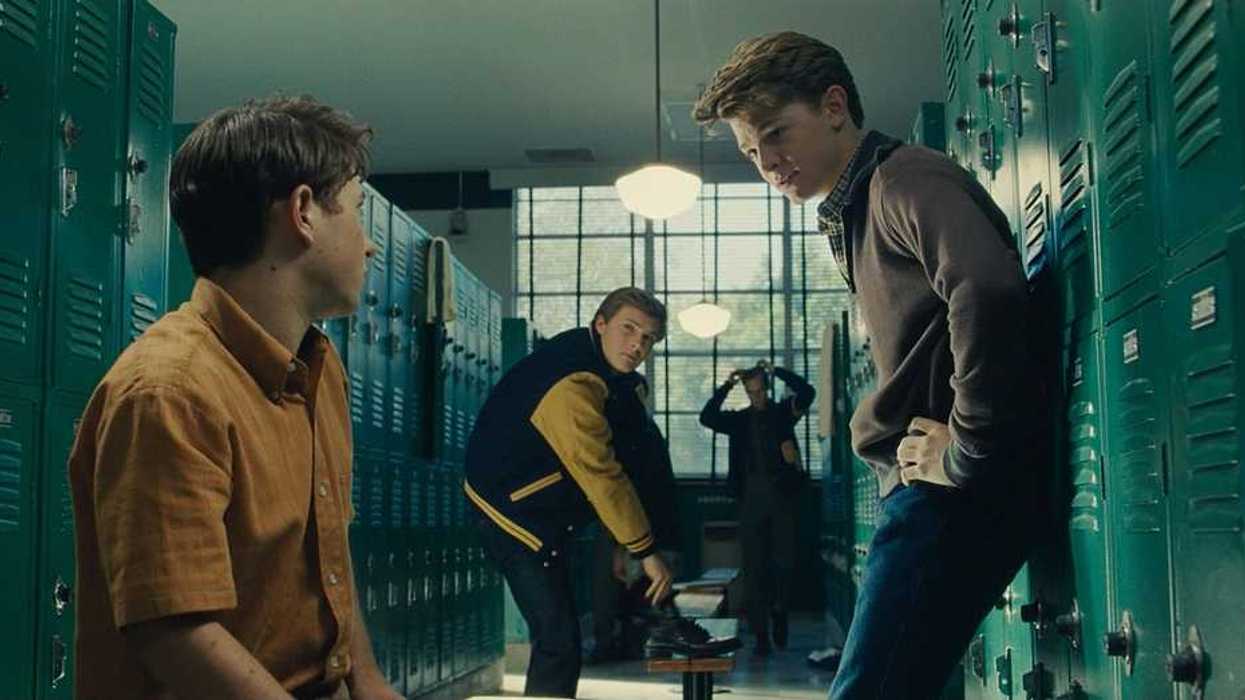
'The Fabelmans'
I'm a massive fan of the "Spielberg Oner", that fluid, multi-minute shot where the camera tracks a scene and settles into a perfect close-up without a single cut. It looks effortless, like the camera is just lucky enough to be in the right place at the right time.
To get a shot like that, you need expert blocking.
And one of the places we heard a strategy for blocking was at SXSW, where Steven Spielberg gave an amazing chat with The Big Picture’s Sean Fennessey.
We covered some things we learned from Spielberg's conversation, but I wanted to dig into a topic that can seem boring, like blocking, and go deeper.
Let's dive in.
Steven Spielberg on Blocking
There's a ton to talk about in that podcast, but today is all about where the actors go. Blocking is one of those things that never quite goes the way you first imagine. Things change on set, and even as the scenes are rewritten and reworked.
This isn't something that just affects us; it affects Spielberg, too.
While discussing his latest film, Disclosure Day, Spielberg revealed a process that sounds almost architectural for how he deals with blocking.
"... I'll do a whole blocking with second team first. The actors are still in hair and makeup. And I'm blocking the entire shot with second team. So the actors come out, having worked with me before, or having known my process, they'll know to stand where I've asked them to move, and when to move and why the camera's moving with them. And then later, as we're lighting it, I'll sit down and say: 'okay, here's why I want you to do something that you weren't preparing for when you were memorizing your lines the night before. But this is why I need it to be this way.' And every once in a while, more than every once in a while, and say: 'Here's why I think I need to sit here, for at least these five lines without getting up.' And they'll convince me that they were right and they'll be able to do it their way. But I need to be able to... do the first pass of the blocking. Because blocking is so important on movies and television shows."
Who Is the Second Team?
For the uninitiated, the Second Team consists of the stand-ins. Usually, they are there to help the DP set lights while the stars (the First Team) prepare.
Spielberg uses them as living mannequins to build the entire visual "blueprint" of the scene before the stars even step onto the floor.
So when the first team steps in, he's ready to show them what's needed.
The Tension Between Vision and Performance
Blocking is usually a sacred dance that can become stressful the second you're behind schedule. Depending on their style, a director lets the actors "find" their movements based on their emotional beats, and the camera follows.
But Spielberg flips the script.
He arrives with a finished vision. He uses the stand-ins to "math out" the physics of the shot and chooses the lens height, dolly speed, and the precise moment a character needs to cross the frame. When the First Team arrives, the stage is set.
And even when the actors want to talk about it or have hesitations, he makes them do it his way until they can convince him otherwise.
Why is This Controversial?
Controversial may not be the right word, but it's a different way to do things for two reasons:
- Actor Autonomy: Many actors feel "boxed in" when told they must hit a mark for technical reasons rather than emotional ones. But I think hearing it from Spielberg helps.
- The "Robot" Risk: There is a fear that if the movement is predetermined, the performance will feel mechanical. But the way Spielberg shoots it feels so full of life.
Why It Works for Spielberg
Spielberg movies feel "kinetic." He isn't wasting time wondering where the camera goes; he’s spent that time with the Second Team so he can focus on the acting once the First Team arrives.
Each scene plays out with precision and intention.
Here's the main reason it works: As Spielberg noted, he’s not a tyrant. He allows an actor to make a compelling case. But he starts with his vision as the default; the actor's change is the exception.
It's collaborative but also keeps you on time and focused.
The Takeaway for All Filmmakers
You probably don’t have a full Second Team at your disposal on a micro-budget short. However, the lesson remains: Visual certitude is a superpower.
If you spend your prep time (or your lunch break) walking the geography of your scene with your DP or even your PA, you create a framework. When your actors arrive, you aren't guessing. You are leading.
Again, with the short time on set, this can be invaluable.
This confidence also instills a level of control on the stage that can make you a better leader. It's a fine line to walk, but one to look to Spielberg for inspiration.
Summing It All Up
Learning about Spielberg's process is really informative. It doesn't mean you have to do it. But it should open up the options to trying new things on set.
Let me know your thoughts in the comments.
- The Art of Blocking: How to Make Boring Conversations More Interesting ›
- The Subtle Art of Blocking a Conversation ›
- Blocking a Scene: What You Need to Know Before You Shoot ›
- How Does Steven Spielberg Block and Shoot a Scene? ›
- Spielberg's Philosophy That Inspired Generations of Dreamers ›
- Film Blocking 101: Space, Shape, and Power on Screen | No Film School ›