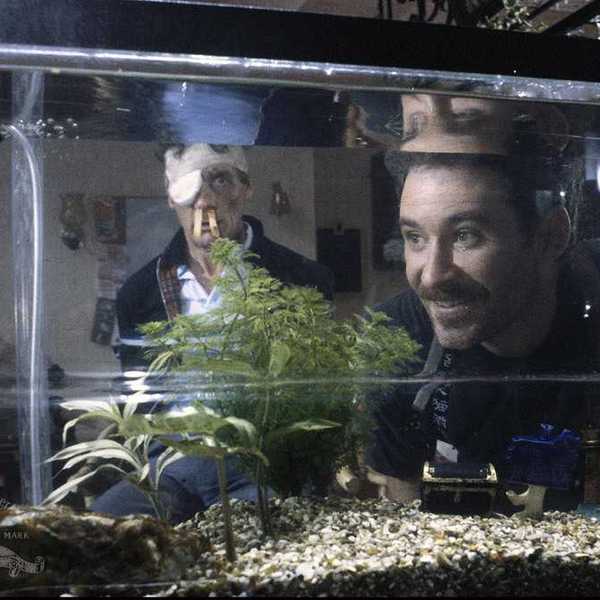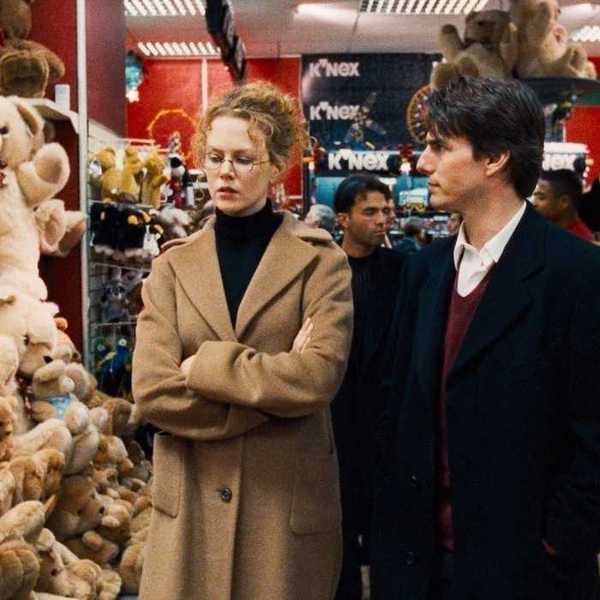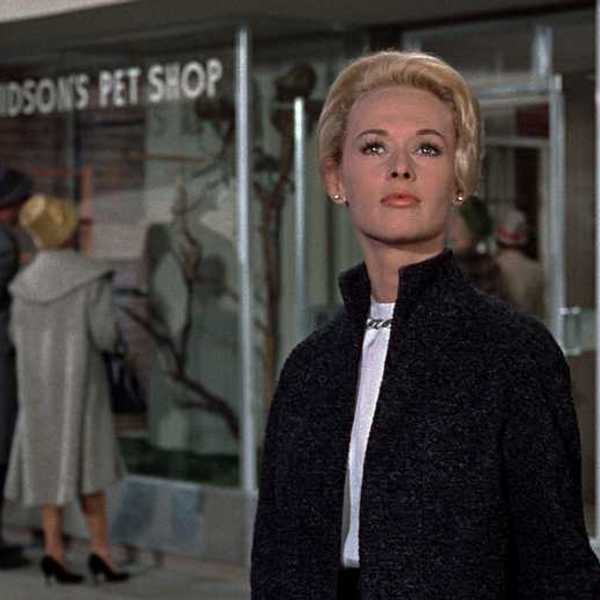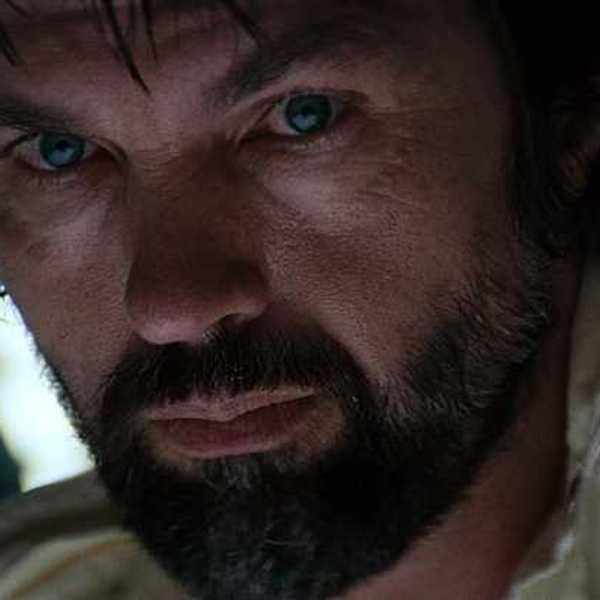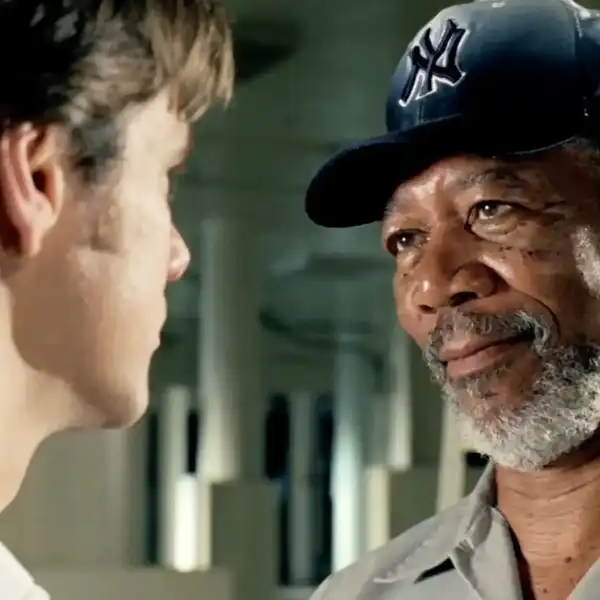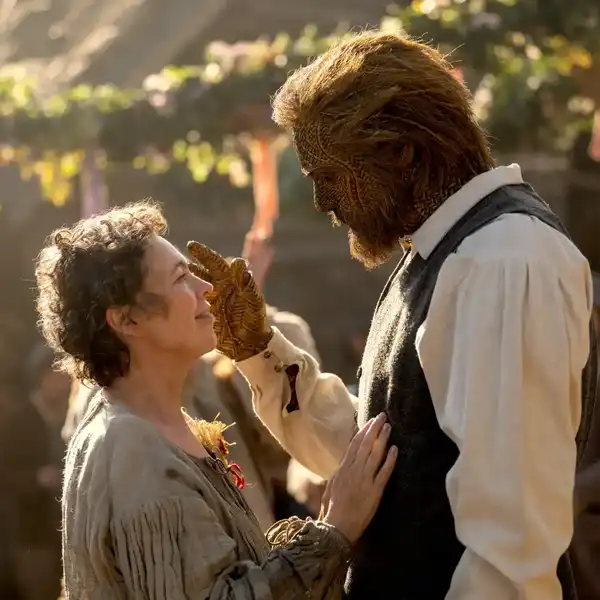
Blocking is one of those invisible and maybe not-as-glamorous aspects of filmmaking. It's the choreography of where your actors stand, if and when they move, and how the camera frames them.
A new video from Breadfruit Studios, which was started by Sebastian Ukwa and Onyekachi Ukwa, breaks the craft into a working vocabulary you can use on your next scene.
"Blocking is the unsung hero of visual storytelling," the video says.
When it's working, we don't notice it at all. If you've ever reshot a scene because something in the frame felt off and you couldn't name what, this is usually the thing you couldn't name.
Before jumping into this, a quick reminder! Characters can obviously move around. The camera can move around too. (Duh, I know.) But you shouldn't read all this and think, "I need to move the characters and the camera," because then you run into pointless motion.
The first consideration should be, "Why? Why do I need this movement?"
Don't just swing the camera around and have characters moving from room to room for no reason. We love that thing we're calling "toast," or the details that add realism to scenes. But it needs to be motivated, and it needs to help us understand something about the character or story.
Okay. Let's jump into the discussion.
- YouTube www.youtube.com
Space and Proximity
There's a pretty simple place to start when you think about blocking, and that's considering how far apart your talent is from each other and whether they move.
In 1917, the near-continuous camera keeps the two main characters, who are soldiers, walking, running, and crawling through trenches and over open ground. The unbroken motion sells both their urgency and their isolation deep in enemy territory.
Contrast that with the stillness of The Godfather, where men sit around a table and barely shift.
"The distance between them, or lack thereof, communicates power dynamics," the video said.
I'd push that further. In a confined space like a table, proximity becomes the whole scene. How they sit is also part of the blocking. Are they upright or leaning back? Who owns the silence? Sometimes a power struggle needs no movement at all.
Shape and Line
Next, think about the shapes your actors make in the frame with where they're standing or how they move.
In Kill Bill Vol. 1, the final showdown between the Bride and O-Ren Ishii is blocked as a circle in a snowy garden. Their slow, circling face-off blocking gives the duel a ritual, ceremonial weight. These are two fighters locked in a closed loop.
The Dark Knight works the opposite way. During the pencil scene, the Joker's jagged, unpredictable movement breaks the orderly formation of the mob bosses around him, staging his chaos and his refusal to fit their hierarchy before he's said much of anything.
Inception goes after lines directly, blocking characters along curves and verticals as the dream cityscape folds in on itself, keeping us as off-balance as the dreamers. Shape and line let directors inject subtext without dialogue.
How Blocking Moves the Camera
Blocking and cinematography go hand-in-hand.
"Blocking isn't just about the actors. It also dictates how the camera moves," Breadfruit Studios says in the video, and the two really are joined at the hip.
In La La Land, the camera swoops around Sebastian and Mia through their dance numbers. This movement still tells a story while keeping things dynamic. (This is a feature of modern musicals. Classic musicals often stage dance numbers like a tableau, as if the camera is an audience member watching the performance.) Here, it's like the dancing itself is a character, and it makes those scenes feel weightless and a little drunk on romance.
1917 has the same idea. As already pointed out, the soldiers are always moving, and the camera is always chasing. The restless camera movement lets the audience be in the moment with the characters. And they have to keep going, going, going.
Figure out where the actors go first, and then you've given the camera something to do too.
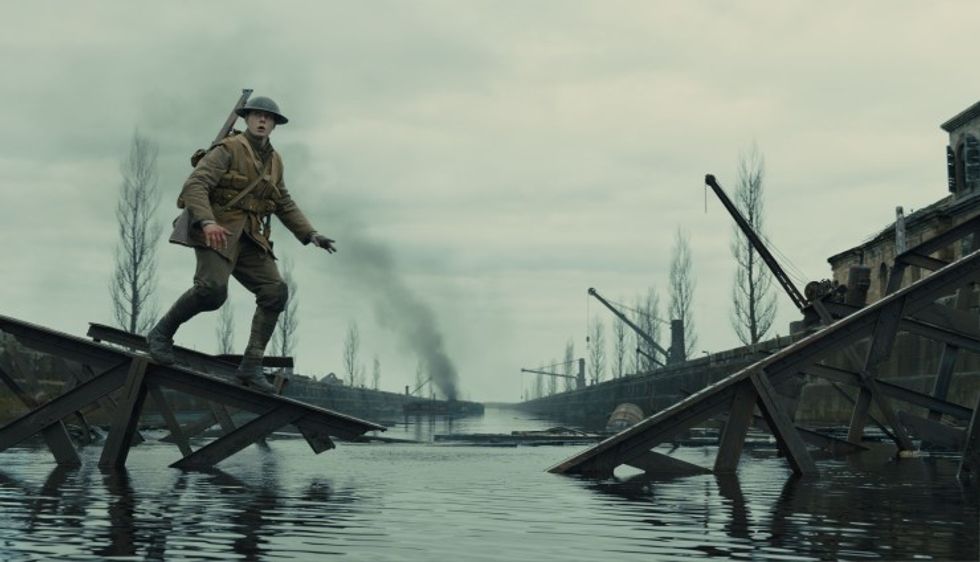 '1917' Credit: Universal Pictures
Subtext and Power
Blocking also carries a scene's emotion and its politics.
"Blocking can also provide subtext to a story," the video says.
Check out the argument scene in Marriage Story. The couple circles the room, advancing and retreating, their footwork tracing the rise and fall of the fight.
In Parasite, Bong Joon-ho builds the whole world on a vertical axis. The wealthy Parks up top, the Kims down in a semi-basement, often with a line separating them. So every climb or descent of a staircase becomes a statement about class. The design and the staging are part of the theme.
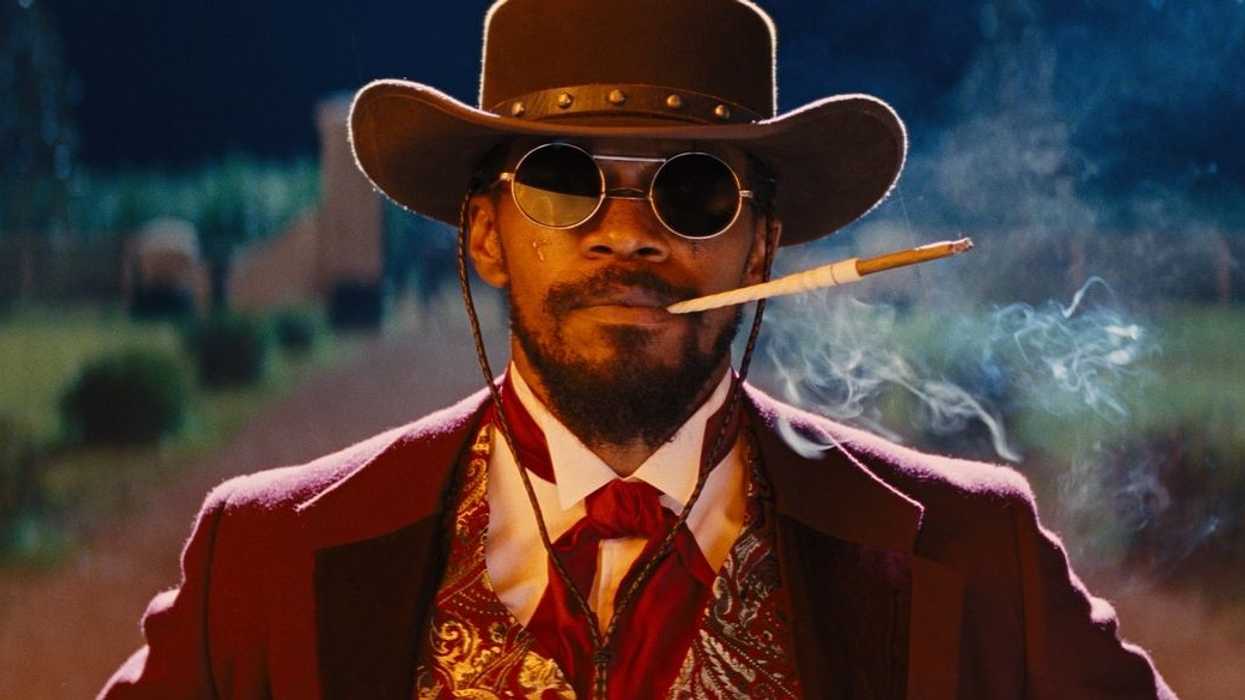
The video also uses the Django Unchained scene at the LeQuint Dickey mine as an example.
Django begins shackled and seated, powerless, while the traders move freely around him. As he starts spinning the story of the bounty, he straightens up and leans in, and the men edge closer to hear it. Once they unchain him, he stands at their level, then above them, holding the center of the frame while they wait on his lead.
"The blocking evolves from one of captivity and submission to one of empowerment and control," the video points out.
By the time Django is armed and in charge, the staging has already told us that he's going to win.
Putting It on the Page
So how do you build this into your own work? As with most things you're doing in film and TV, it all starts on some paper.
Think about this when you're creating a storyboard or floor plan that maps where the actors and camera will go. It can change or loosen up in rehearsal, where the blocking almost always changes once real bodies are in the room.
The video offers a few important reminders. Think about who holds power in the frame and let position show it. Give every move a reason, because "every movement should have a motivation"; and pull your cinematographer in early, since blocking decides how the scene gets shot. You and your DP are designing the same moment from two sides of the lens.