5 Directing Lessons From Steven Spielberg's Interview With Paul Thomas Anderson
The two great directors sat down for an epic conversation about One Battle After Another.
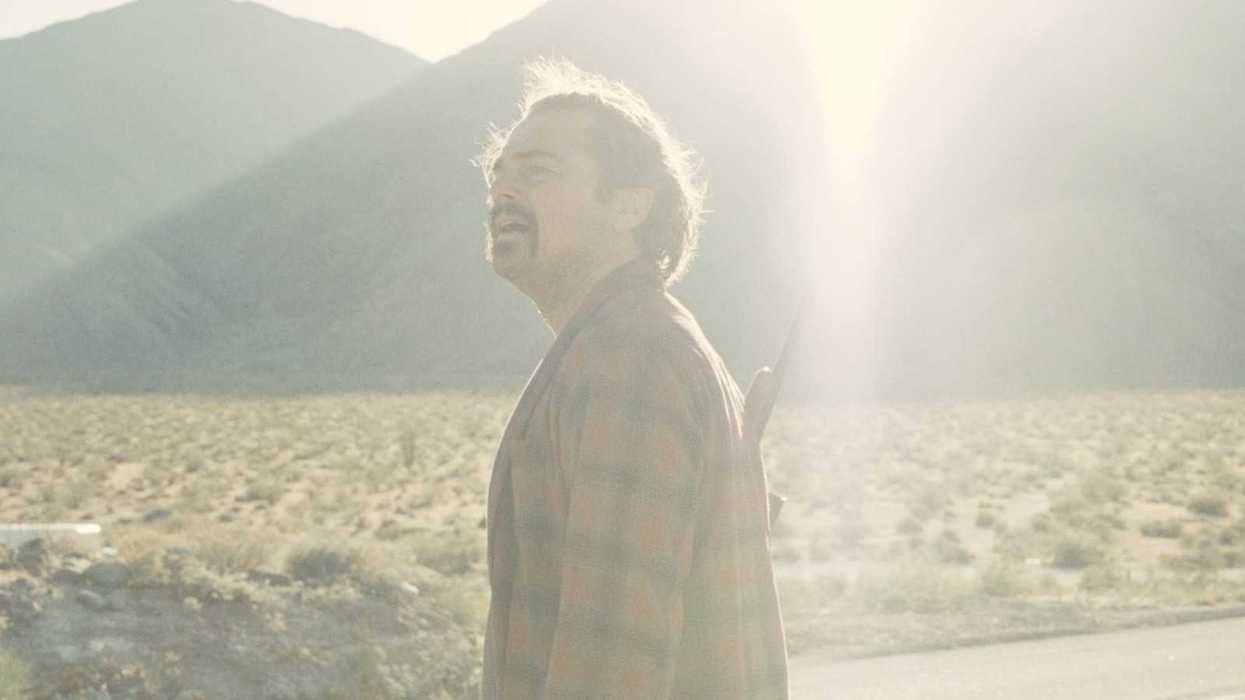
'One Battle After Another'
The movie everyone is talking about is One Battle After Another. How many times have you seen it, because Spielberg has gone three times himself?
And in a recent conversation with Paul Thomas Anderson at the DGA, Spielberg gushed over the movie.
After a screening of the new Leonardo DiCaprio and Sean Penn-led film, Spielberg and Anderson talked shop, and the conversation was packed with gems for anyone who's ever picked up a camera or dreamt of directing a movie.
I decided to put together 5 directing lessons you can learn from the podcast.
Let's dive in.
PTA and Spielberg Share Notes
1. Embrace the "Insane"
Spielberg's initial reaction to the movie was calling it "insane," but he also compared it to Stanley Kubrick's Dr. Strangelove. That's high praise, and it's a reminder that sometimes the best art comes from taking big and bold risks. Don't be afraid to push the boundaries and create something that defies easy categorization.
2. Make the Source Material Your Own
One Battle After Another is loosely based on a Thomas Pynchon book, but Anderson wasn't afraid to take the story in his own direction. He used his personal life to brush up characters and to add in elements like the father and daughter. He explained that he took the core elements he loved and built upon them. It's a great lesson for anyone adapting something. Respect the source material, but don't be bound by it. Your unique screenwriting voice is what will make the story special.
3. Write for Your Dream Cast
Anderson knew he wanted Leonardo DiCaprio and Sean Penn for the lead roles early in the writing process. This allowed him to tailor the characters to their specific strengths and personas, so when he pitched them, he was ahead of the game. Even if you're not writing for A-listers, this is a valuable technique. Because when someone reads your script, they're going to ask about who you want to cast. Think about the actors you know and love, and write roles that you can imagine them playing.
4. Be Open to Happy Accidents
While Anderson had his leads in mind, Benicio del Toro was a late addition to the cast. But his contributions were so significant that it's hard to imagine the film without him. He's the whole heart of the movie, and he makes the entire middle act work. Be open to unexpected ideas and collaborations. You never know when a last-minute change can elevate your project to a whole new level.
5. Dust Off That Old-School Tech
In a world of digital everything, Anderson made the bold choice to shoot One Battle After Another on VistaVision. He'd been interested in the format for years, and when actor Giovanni Ribisi began refurbishing the cameras, it became a real possibility. This is a great reminder that the latest tech isn't always the best choice. Explore different formats, lenses, and techniques to find the unique look that's right for your story.
Summing It Up
I loved listening to this conversation and not just learning snippets about the film, but hearing about the directorial process from these two legends.
What were your favorite parts?
Let us know what you think in the comments.