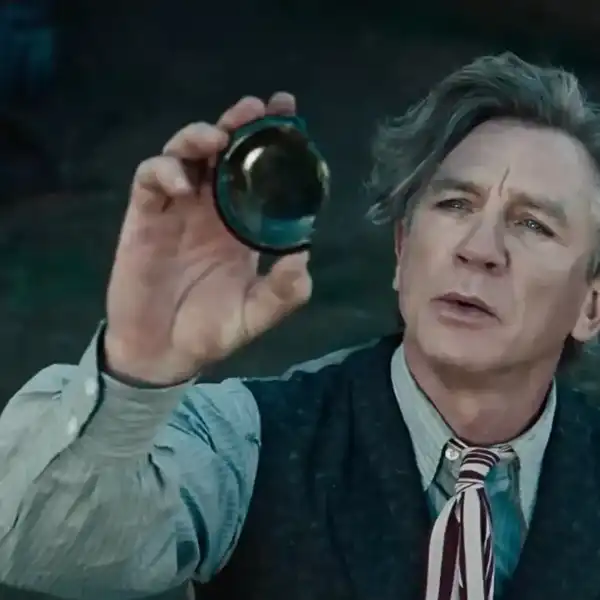
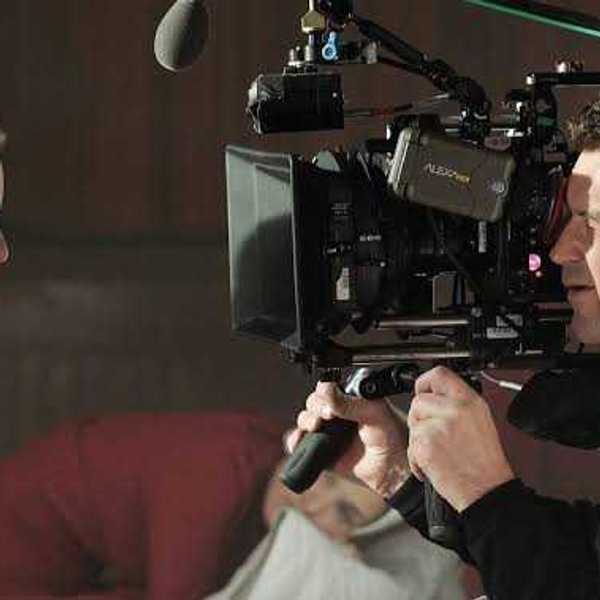
What 'One Battle After Another' Can Teach You About Cinematography
It's not perfect, and that's okay.

One Battle After Another
We're living in an era where a lot of modern cinematography feels flat.
There are many contributors to the issue. The ease of digital workflows on projects that shoot fast and cheap (as well as the standardization of cameras for certain platforms) has led to a lot of stuff looking the same, and it's usually overlit, all the same color, and lacking texture and contrast. It's not the fault of the gear. We would point the finger at a few people behind the camera.
One Battle After Another, PTA's chaotic new thriller, breaks free from the mold by taking creative chances. And there's a lot we can learn from it.
Check out Patrick Tomasso's video on this very topic below.
- YouTube www.youtube.com
Let Darkness Be Dark
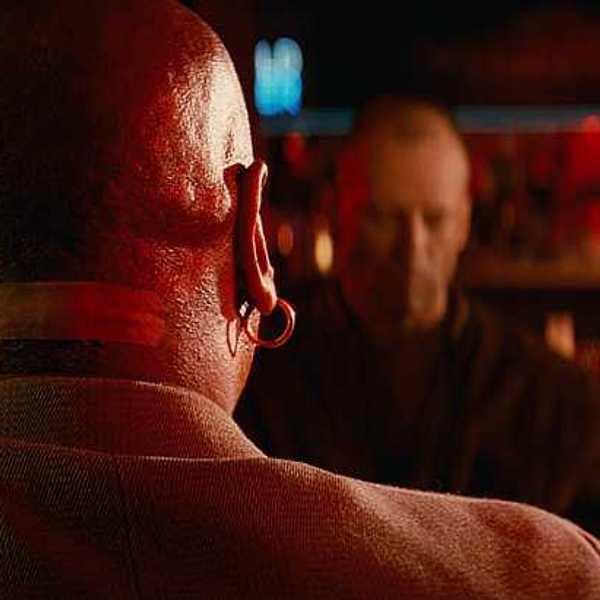
Tomasso praises how the film's night scenes are "gorgeous" because they actually embrace darkness rather than trying to light everything. As he points out, our eyes can't see everything at night in real life, so why should cameras? When you let night scenes just be night, they end up looking richer and more saturated. Embrace contrast.
This advice counters what many consider a trend toward darker, murkier images in modern cinematography. The issue isn't darkness, but when it's done poorly. Double Oscar-winning cinematographer Janusz Kamiński lamented to British Cinematographer what he perceives as a loss of lighting skills.
"When Philippe Rousselot (Dangerous Liaisons) shot dark scenes, he knew what he was doing with China balls. Now everyone shoots dark, and anybody could have shot it. Pictures are so murky you need to crank up the TV to see it. People think they are artists [by shooting dark], but they are not. They just don't know how to light."
The problem stems from an obsession with motivated lighting, where scenes shot in dark places with no lamps or natural light sources wind up looking dull and muddy, especially when using digital cameras.
Make Choices That Serve Your Story
The cinematography in One Battle After Another uses techniques like borderline overexposed daylight scenes and unsettling, shaky handheld. These are choices some might call technically wrong.
But as Tomasso points out, "there is no right or wrong" when it comes to filmmaking. What matters is that your choices serve the story you're telling. The film's chaotic, disorienting visuals work because the movie is fundamentally about revolution.
And as much as I appreciate the clean precision of a drone shot, I do miss the meta-jitteriness of a camera mounted on a helicopter. There's something that feels more real or authentic about it. I love handheld when it's done well.
Director Alex Burunova echoed this sentiment to us at SXSW 2025, advising filmmakers to "give yourself enough time to work through the material" and "make it personal—and aim to tell your story with your full heart."
The technical execution should always support the emotional core of what you're trying to say.
- YouTube www.youtube.com
Don't Follow Trends Blindly
Tomasso argues we're living through "one of the worst eras for night cinematography" and critiques how everything today looks like "shiny modern new cars" or "muddy gray sludge."
We've heard that from so many cinematographers through the years
Paul Thomas Anderson gets credit for sticking to his vision rather than chasing the latest visual trends. Actually, he's going backwards, using VistaVision and film instead of the latest cameras.
According to Filmsupply's 2025 commercial filmmaking trend report, there's a resurgence of using film to create a sense of warmth, authenticity, and nostalgia that connects with audiences.
As director Brady Corbet told Vanity Fair, "For me, digital photography versus shooting on celluloid is the difference between painting with watercolor and painting with oil."
- Scorsese Champions PTA's 'One Battle After Another' ›
- The Ending Of 'One Battle After Another' Explained | No Film School ›
- Leonardo DiCaprio Knows It's 'Very Important' To See 'One Battle ... ›
- 5 Directing Lessons From Steven Spielberg's Interview With Paul Thomas Anderson | No Film School ›
- We Gotta Get Over the 'One Battle After Another' Box Office | No Film School ›
- 2026 Oscar Predictions: Who Will Win Best Cinematography? ›
- One Battle After Another Finding Nemo ›