5 Storytelling Tricks Movies Use to Surprise the Audience
The craft behind how movies outsmart the viewer.

'The Prestige' (2006)
In the world of movies, few things captivate the audience more than the sheer thrill of being genuinely surprised by something they’ve seen. Great surprises in movies feel earned as opposed to coming across like a gimmick.
Have you ever thought about what’s behind the surprise? Well, every storytelling surprise is carefully planned and more often than not, leverages existing techniques that have worked across generations for moviegoing audiences. While this may sound technical, the finest writers use these tropes in novel and exciting ways that haven’t been seen before.
What are some of the most commonly used storytelling techniques that surprise audiences? Why do they continue to work even now?
Let’s jump right in and explore.
5 Storytelling Techniques Movies Use To Surprise The Audience
Here’s a list of five storytelling tricks films use to surprise the viewer.
1. Misdirection
Misdirection carefully diverts the audience’s attention toward misleading details and false leads that essentially keep them “occupied”. While it is a commonly used technique in storytelling, it can be deployed in innumerable ways, making it a powerful tool for writers and filmmakers alike.
When it’s done well, misdirection can subtly guide the audience down the wrong path by building false certainty.
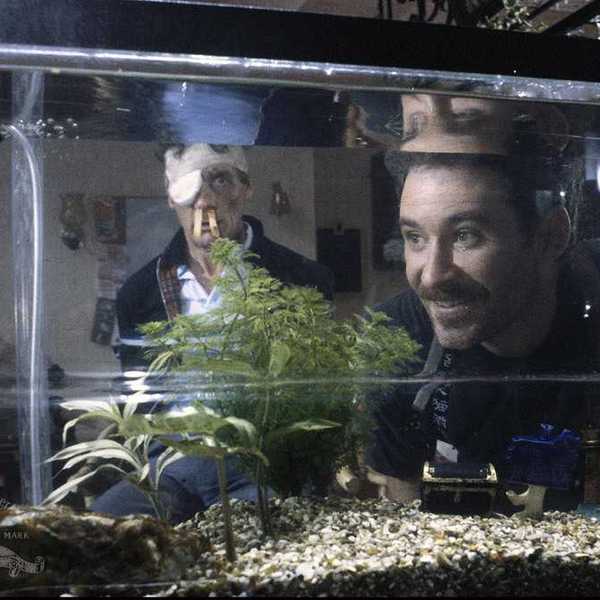
When the real truth is revealed, the audience realizes that they have been misdirected. A fine example of this is in the ultimate reveal in Christopher Nolan’s The Prestige (2006). The film misdirects us masterfully by not even making us “look” at the reality that’s right in front of us.
2. Withheld Information
Withheld information, as the name suggests, deliberately omits crucial information from the audience. Now, this is a technique that isn’t easy to master. If the audience feels as though they are being kept from important information just so that it is revealed later, they are likely to be thrown off. The best way to withhold information in a film is to make the audience feel like they have been provided with everything they need, but later, it turns out that they hadn’t.
For this technique to work well, viewers must fill in the gaps with their own assumptions. As the story progresses, the audience must feel as though their assumptions were wrong, and the surprise revelation must feel earned.
A great example of this can be seen in the movie The Sixth Sense (1999), directed by M. Night Shyamalan. The story perfectly withholds key information about Dr. Malcolm Crowe’s true state, making the final revelation feel entirely shocking.
3. Red Herring
While red herrings are mostly used in mysteries, thrillers, and whodunit stories, they are becoming fairly common in dramas and other genres, too. A red herring is a story element (character, event, or clue) that deliberately diverts attention away from the element or crucial issue that is actually responsible for the matter at hand.
For example, in thrillers, red herrings could be suspects who we presume are the ones behind a crime, but it turns out that they aren’t. Well-written red herrings feel plausible and important. A poorly-written thriller could make the mistake of dropping red herrings early on that the audience is certain aren’t the actual culprits.
Gone Girl (2014), directed by David Fincher, is a fascinating example of this concept. Amy Dunne’s (Rosamund Pike) diary and the search for her are massive red herrings that entirely mislead the audience.
4. Unreliable Narrator
Rather uncommon as compared to the others we’ve discussed, the unreliable narrator is an incredible storytelling trick that tells the audience a story from a biased, deceptive, or mentally compromised point of view. The finest unreliable narrators feel like reliable narrators until we realize that they aren’t and that every word we’ve heard from them is either a lie or a fact that they have conjured just to make us buy into what they are saying.
The surprise obviously hits when the unreliability is revealed. Great unreliable narrators are revealed gradually as opposed to with a single, shocking revelation. Here’s why. Between the moment when the audience entirely trusts a narrator and when they entirely don’t, is an incredible space that leaves the audience unsure. Writers can exploit this space by keeping the audience in some kind of storytelling limbo, making them ask, “Can this person be relied upon? While this makes me trust them, this other thing makes me doubt them entirely.”
One of the most iconic unreliable narrators in modern cinema was Edward Norton’s character in Fight Club (1999), directed by David Fincher. The audience enters the story through his narration and settles into what is nothing but his fragmented perception of reality. When the reveal happens, not only is the audience surprised, but they also question everything they’ve watched up to that point, and also their own judgment.
5. Audience Subversion
Audience subversion deliberately sets up and then dismantles storytelling conventions, character archetypes, or plot expectations that viewers are conditioned to anticipate. One of the hardest storytelling tricks to pull off, when it does work, its effects are unforgettably surprising or potentially jaw-dropping.
The way it works is, a story is built on foundations that are familiar to viewers (not necessarily, but this serves as a common example of subversion), and then, conventions are entirely broken through either one swift act or a piece-by-piece dismantling.
Because of the commonality of the story’s foundations, viewers expect a certain kind of film. But they are in for a shock. The reveal can happen early on or later in the film, but when it doesn't, it entirely defies viewer expectations or even genre conventions.
Scream (1996), directed by Wes Craven, is a great example of audience subversion. The most iconic one (there are more in the film) takes place in the opening sequence of the film when Casey (Drew Barrymore), a major film star who the audience is likely to consider aprotagonist, is brutally murdered. Not only did this subvert horror tropes, but it also subverted audience expectations to a massive degree, setting up a story that continuously kept them on the edge.
Final Thoughts
Storytelling tricks can surprise audiences to a greater degree if they don’t feel like tricks. When these surprises come out of nowhere and baffle the viewer, it is largely down to the writers' deploying storytelling tropes in ways that they haven’t been deployed before. None of these techniques must be used like a rulebook, but rather as honest and earned plot twists. Only then are they likely to catch audiences off guard and give them cinematic memories to cherish.
Which is a storytelling technique that you are most fond of? Tell us in the comments below.