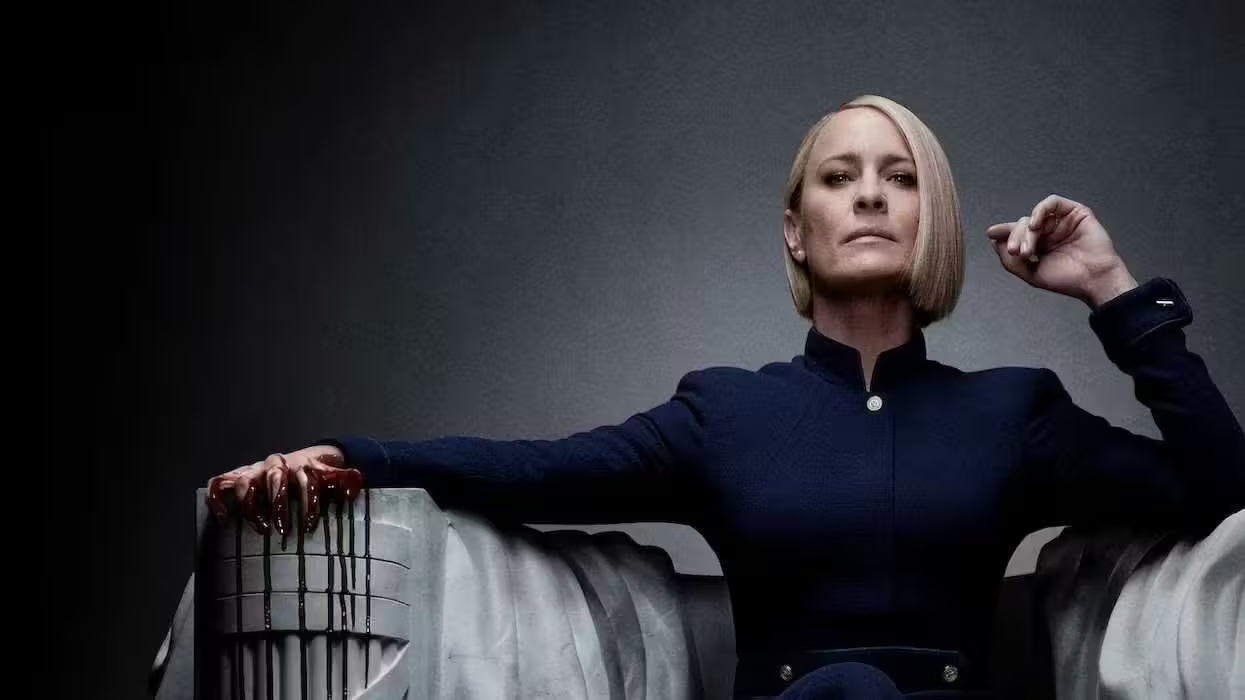
Do you remember when the streaming era first began? It fell ike a revolutionary time for writers and directors. The moment Netflix dropped all ten episodes of House of Cards back in 2013 was monumental.
People were binging seasons in a day, and as shows like Stranger Things followed, we got used to a whole new version of television that just delivered stories to us.
Streaming promised "10-hour movies" free from the tyranny of commercial breaks, and it largely delivered... until it basically became cable and now has ad breaks and other stuff.
But there are a lot of tricks writers used on old-school TV that have been lost in the streaming era, and I wanted to talk about them now.
These are things you could add to your scripts to get attention, or just things I am nostalgic for that I wish we would bring back.
Let's dive in.
1. The Art of the Hard Cut to Commercial
Broadcast writers used to treat commercial breaks like a mini-climax. When you went to commercial, you needed a narrative beat to keep people tuned in. So we had these beats that kept people enraptured.
But now...we just don't see that anymore at all. People who have streaming, even ad-based streaming, aren't changing channels during commercials, so we have fewer little twists or shocks to keep you glued to anything.
But in the glory days, writers like Vince Gilligan (Breaking Bad) and Shonda Rhimes (Grey’s Anatomy) mastered the art of the act-break drop that had you hanging on for the five-minute break, freaking out over whether someone died or got caught cooking meth.
That interlude did two vital things:
It forced the audience to actively process the stakes rather than immediately absorb the next scene. They had to digest what you fed them.
And it created a psychological "reset" that made the next act feel like a fresh wave of momentum and allowed people to lean in further.
That's all gone now!
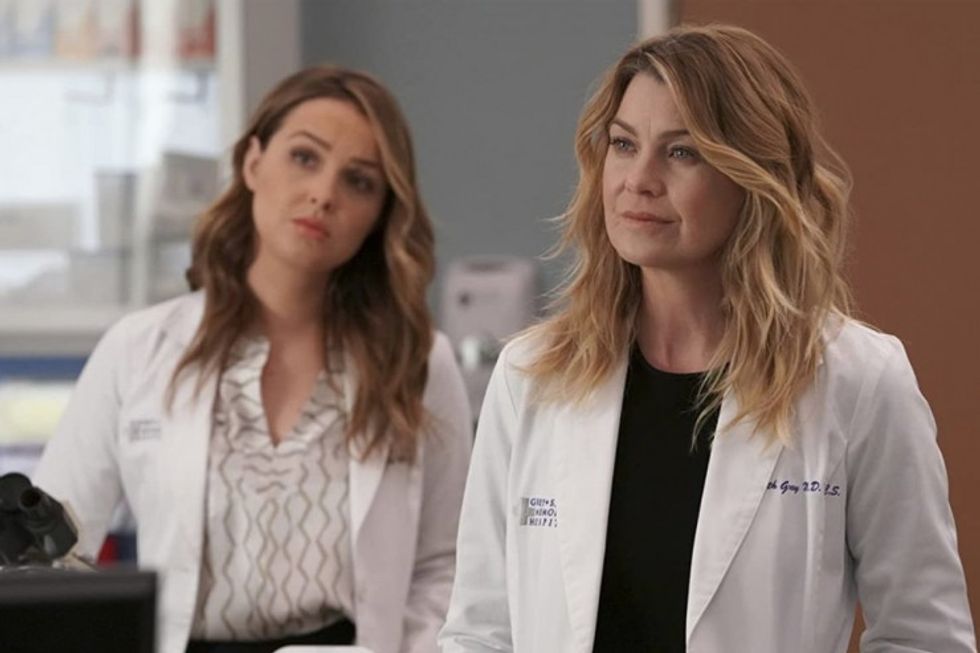 'Grey's Anatomy' Credit: ABC
2. The Mid-Season "Bottle Episode"
Remember Fly from Breaking Bad? Or even the Always Sunny episode that happens in that cruise ship room? Or the Friends episode when they went to Ross's Gala, and everyone is coming in and out of the apartment getting dressed up?
Those bottle episodes were so much fun, and we even have a list of the best TV bottle episodes ever.
Well, they're kind of gone now, too.
In the 22-episode network era, bottle episodes were common because they needed episodes that didn't use many sets in the middle of the season, saving them money.
Because 8-to-10-episode streaming seasons are designed as single serialized arcs, the "detour" episode is almost entirely extinct.
Everything has to have propulsion and keep the main plot moving. You can't just hang out anymore.
But those hangouts are when we had a lot of fun or went deep on character or had storylines that felt complex and talky and interesting.
There's something to be said for taking your time.
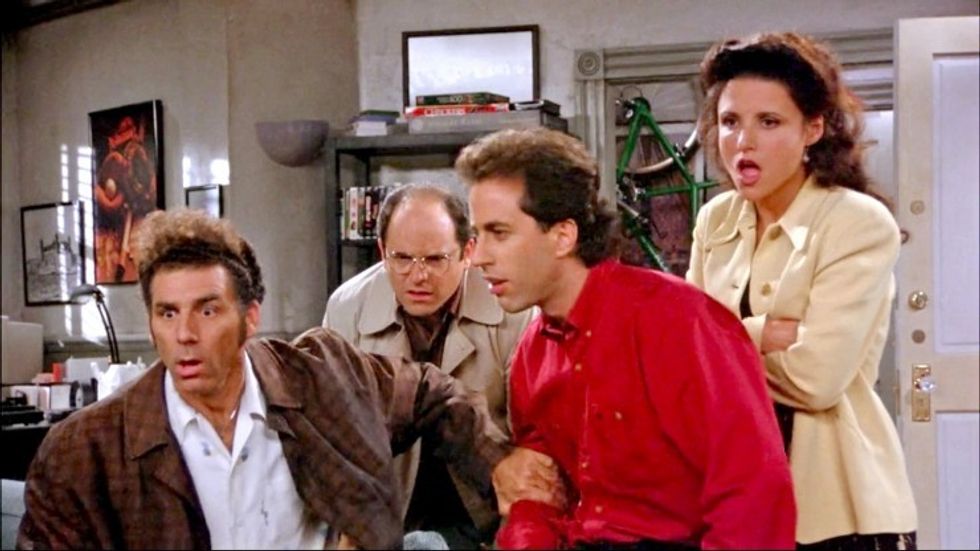 'Seinfeld' Credit: NBC
3. The True Cliffhanger
When I was watching Lost, I had to wait a week for answers, and even months for new seasons. Sometimes a year! That means if you had a cliffhanger, you really were freaking out for a long time.
Now, it’s just a button prompt.
When a streaming episode ends on a shocking twist, you wait roughly five seconds for the next episode to auto-play, and then you find out Eleven saved everyone again.
I cannot tell you what it was like to see Hank sit on the toilet and find Leaves of Grass.
You had seven days of fan speculation, forum theories, and office watercooler debates as people lost their dang minds, then a group catharsis as we all tuned in to see what happened.
The eventual payoff feels earned because the audience invested emotional energy during the gap and let it build.
We aren't captive to the narrative anymore. In fact, what happens a lot is that we wait multiple years for more seasons and forget about shows, so they fall off and get canceled.
We want immediate gratification, and that takes shows out of the cultural lexicon faster too. No one is talking about it after a week or two when they can just binge and move on.
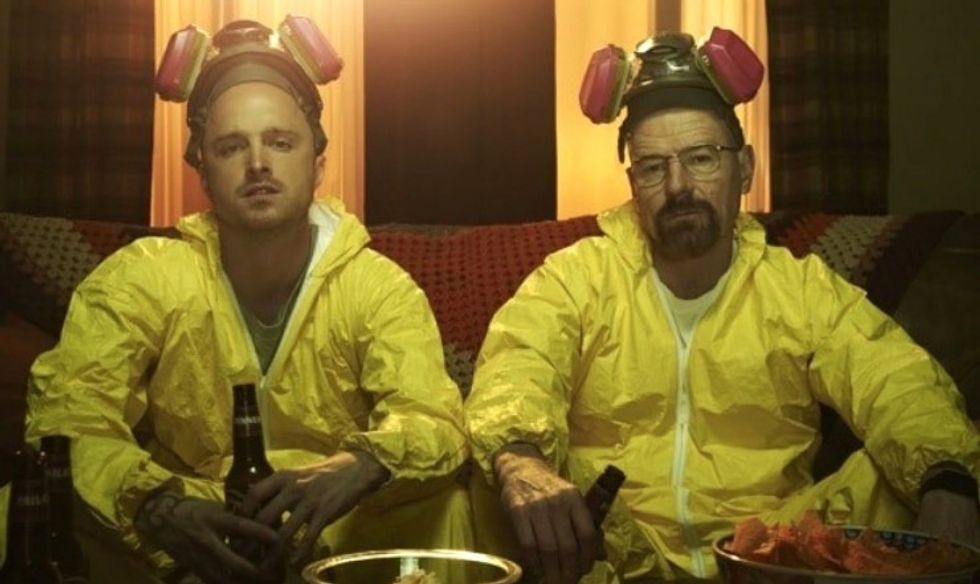 'Breaking Bad'Credit: AMC
4. Second-Screen Pacing and "Ambient Television"
I am sick of second-screen stuff. I just want people to pay attention to what is on screen and to lean in. I find this to be the most insidious change of all.
Streaming services rely heavily on retention metrics. They want you staying on their channel to watch more and more.
But the thing is, you're barely paying attention when you are watching, because you're also looking at your phone.
Rumors have been that this has led to a lot of plots being explained in dialogue, though we have no hard evidence of that.
Alongside that, we've seen the rise of "Ambient TV".
What I mean by that is we have shows deliberately paced, lit, and written to ensure a viewer doesn't lose track of the plot if they look down at their phone for three minutes.
Aside from characters saying the plot or their motivations out loud, we can feel the less visual storytelling in favor of exposition, monotone shows that are too afraid to go big or to switch genres or mash up experiences, and the neutering of anything that challenges the status quo.
I mean, that's why all Netflix shows and movies kind of look the same.
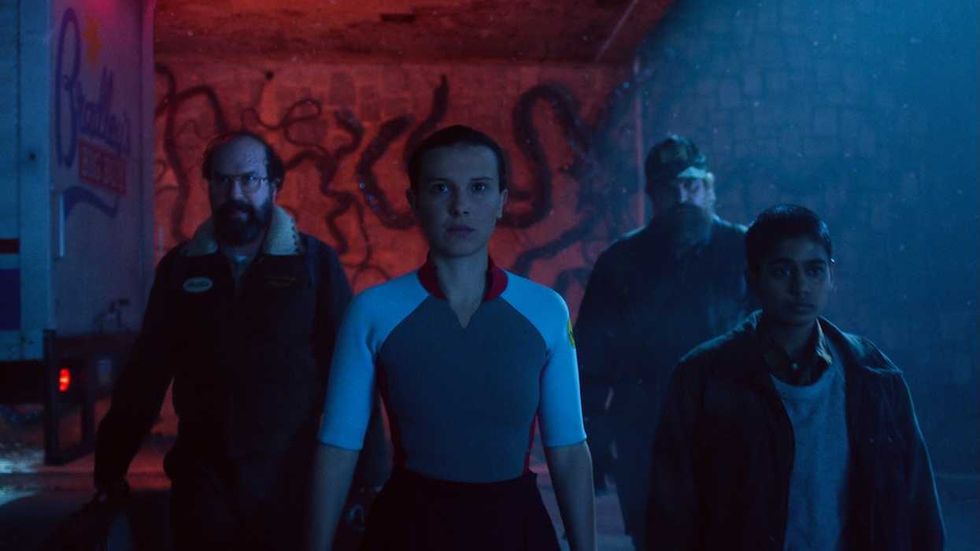 'Stranger Things' Credit: Netflix
Summing It All Up
I wish a lot of this stuff was different. I wish we still could have bold ideas that looked different and that challenged us to put our phones down and to pay attention. Maybe we still can.
Streamers need to regain attention, and I think the best way is to diversify the look and feel of what people expect from your platforms.
The same goes for creators who are trying to have their voices heard.
Be bold and find ways to take the items that work and fit them into your story. You can stand out from the pack and be part of the change.
Let me know what you think.