The 'Usual Suspects' Scene That Wasn’t Supposed to Be Funny, but Became Iconic
A chaotic moment became unforgettable.
The Usual Suspects (1995)
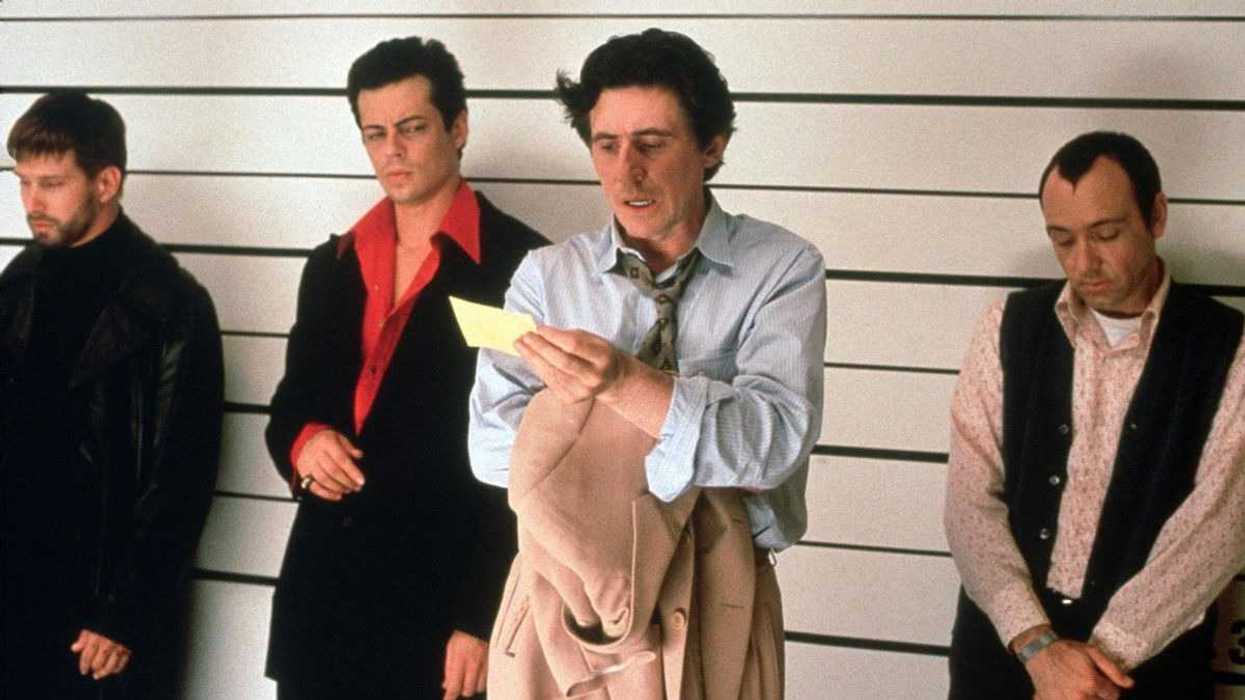
In Bryan Singer’s cult classic, The Usual Suspects (1995), one particular scene stands out for its unadulterated chaos. The police lineup scene, featuring the movie’s five career criminals, was scripted as a tense identification sequence, but it turned into cinematic gold for unforeseeable reasons.
When an uncontrollable wave of genuine laughter cut through the moment, what many thought would make the blooper reel but actually found its way into the final cut and turned out to be one of the movie’s most iconic sequences. Featuring actors Kevin Spacey, Gabriel Byrne, Stephen Baldwin, Benicio del Toro, and Kevin Pollak, this scene is a classic example of a film director capturing imperfections audaciously.
What makes this sequence so special? What can it teach us about controlling artistic chaos?
Let’s jump right in and explore.
The Scene That Was Meant To Be Serious
On paper, the police lineup scene in The Usual Suspects was meant to be a straightforward identification of criminals. In many ways, the scene was scripted as a textbook police lineup scene, something we’ve seen time and again in crime films. In the sequence, as expected, the criminals step forward one by one to repeat a phrase while witnesses observe from behind the glass.
Repeating the phrase was a critical part of their identification process, and it was written as a tense, character-defining moment. While the goal of this scene might have been to establish the tone and authority of both the film and the criminals in the frame, what actually happened was markedly different from what was initially perceived. Instead of the hardened criminals maintaining their cool, the actors playing them started cracking up. It is believed that this was partly due to Benicio del Toro’s off-camera antics and partly because of the sheer absurdity of the situation.
The result was a perfectly messy scene that simply couldn’t be scripted. Despite multiple retakes, the actors continued to laugh. Their struggle to maintain seriousness ultimately elevated the moment far above its intended purpose. Now, it wasn’t a typical police identification scene; it was something much deeper and more revealing.
The Power Of Imperfection
When it comes to capturing cinematic imperfections, a great deal takes place beyond one’s original intent. While it is obviously possible to plan a sequence in a manner that captures the imperfections of a character or a moment, there is something more rewarding about when it happens naturally.
This scene is a fascinating example of the latter, something that is unplanned, and even today, the decision to include it in the final cut remains bold and imaginative. When you watch the scene again, probably with the knowledge that it wasn’t scripted, you can see the power of imperfections that simply cannot be staged to the same effect. Every character “does their own thing”, just like in regular life. The feeling of the scene being rehearsed does not exist simply because the scene wasn’t rehearsed, and neither was the emotionality of the moment.
It’s a classic debate of “the planned” vs “it happened”. The rawness of the scene is defined by the acting talent at work, of course, but also their natural demeanor. This scene is proof that imperfections can bring a deep sense of realism to a movie that is far ahead of what could be planned months or years in advance.
While the comedic element of the scene is maybe the most talked-about, notice how well the actors work together, even in a scene they probably presumed would never make the final edit. There’s a tremendous amount of chemistry that can be seen in such unplanned moments simply because they are more “lived” than “performed”.
The perfections of a work of art are always going to be more evident when the imperfections are allowed to coexist with it. The police lineup scene in The Usual Suspects is a great example of what happens when you let genuine human emotion creep into a scene and allow it to make drastic changes.
What The Scene Reveals About Controlling Chaos
One of the greatest aspects of the police lineup scene has nothing to do with its humorous elements. The sequence quietly foreshadows the film’s core themes about controlling chaos and creating an illusion. What can we expect from five criminals who can’t see through a simple police procedure without descending into laughter? Well, very little, and that’s what makes us wrong.
Those who are aware of the movie’s incredibly shocking ending will know what I mean. Illusion is a huge part of this film, literally and figuratively. The idea of underestimating a person or a group of people is, in many ways, central to the film’s core conflict.
The police lineup scene might be categorized as funny, and that may even have been the basis for it in reality, but it works well within the film’s context because of what it says about controlling chaos. The sequence walks a fine line between descending into a fully comedic zone and feeling staged. While it may not bear much meaning when it happens, in light of the film’s ending, it means a great deal.
Summing It Up
The police lineup “blooper” in The Usual Suspects stands as a masterclass in turning chaos into a cinematic scene with deep meaning. It reimagines what it means to create an illusion. The iconic sequence uses unplanned comedy to hide the darkest of intentions and quietly builds towards the film’s powerful ending.
Which is your favorite quote from The Usual Suspects? Tell us in the comments below.