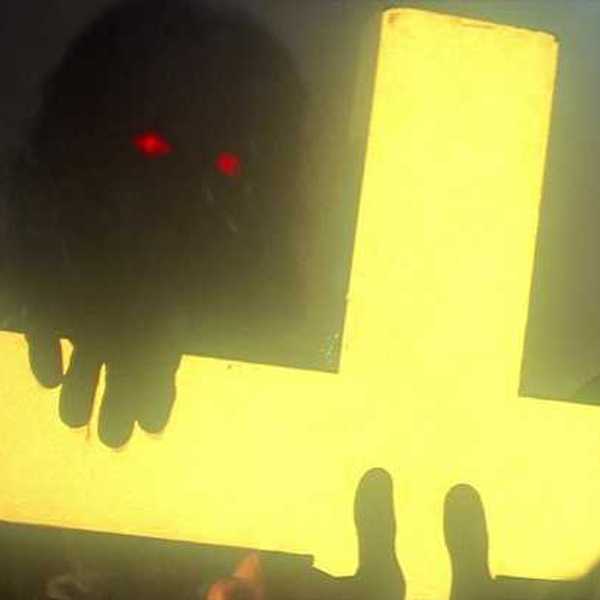
What's in a name? For these iconic characters, presence matters more than a credit listing.
When we retell stories from our own lives, we can sometimes remember every detail except the names of all the people involved. Names shape our identities in reality, but in storytelling, they function more as garnish than substance. Nice to have, but not essential unless deployed as a metaphor or motif.
Since "Wait, what was their name? Anyway..." appears constantly in everyday storytelling, names can feel like formalities when developing screenplay characters.
In this article, we examine iconic characters who show that character names become irrelevant when you possess a commanding presence and compelling character arc.
10 Iconic Characters Who Didn’t Need a Name to Become Memorable
1. The Narrator, Fight Club (1999)
 Fight Club (1999)Source: 20th Century Fox Studios
David Fincher’s Fight Club was way ahead of its time. The narrative follows the Narrator, who meets a man named Tyler Durden on a flight. They become friends, after which his life changes forever.
Not revealing Edward Norton’s character's name was a genius move on Fincher’s part for multiple reasons, the most prominent being that the narrator is suffering from dissociative identity disorder.
Since name is an elemental difference between any two characters, the narrator's lack of one metaphorically establishes him as the host personality. At the same time, keeping the character nameless heightens suspense.
2. The Ghost, The Ghost Writer (2007)
 The Ghost Writer (2007)Source: Pathé, Metro-Goldwyn-Mayer, Lionsgate Canada, Studio Canal, Summit Entertainment, StudioCanal UK
How fitting for a ghost writer to remain nameless for an entire film! Roman Polanski’s The Ghost Writer follows this titular character.
The ghost writer is hired to work on the memoirs of former British Prime Minister Adam Lang, but ends up putting his own life in jeopardy after he discovers some dark secrets. Not having a name embodies his detachment from credit for his work, reinforcing his role as someone who operates invisibly behind the scenes.
3. Guy and Girl, Once (2006)
 Once (2006)Source: SearchLight Pictures, Walt Disney Studio Motion Pictures
This is a quintessential musical love story about a boy and a girl who meet and eventually fall in love. John Carney’s Once presumably relies on anonymity to underscore the universality of love.
With no names, Glen Hansard and Markéta Irglová could be any two hearts that ever loved. The namelessness feels even more fitting, since the couple does not get their happily-ever-after, underlining how sometimes the most intense relationships end in anonymity.
4. The Nameless Warrior, Hero (2002)
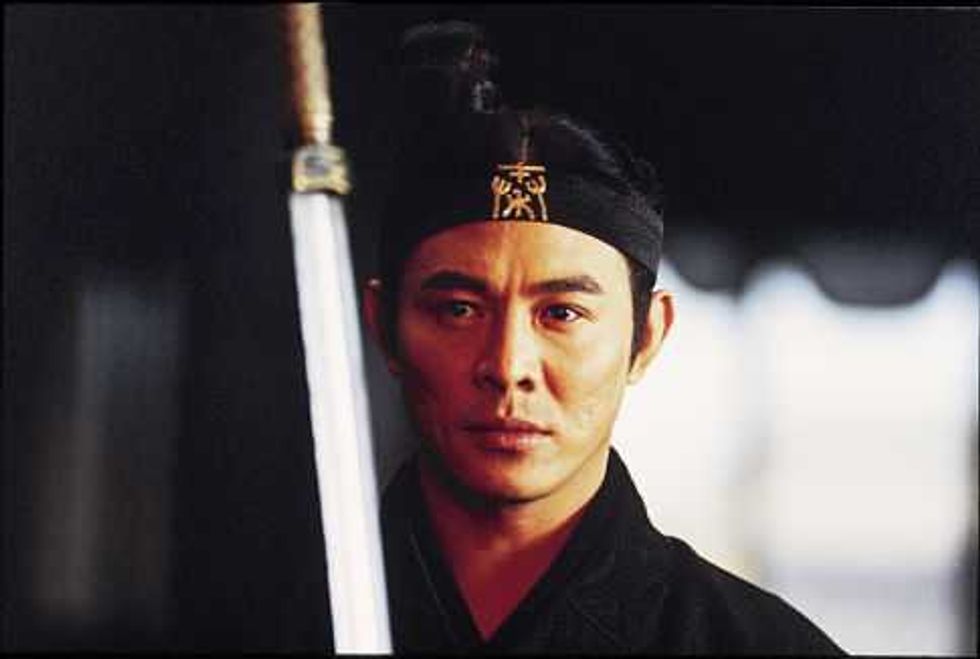 Hero (2002)Source: Miramax
Following a nameless fighter who claims to have emerged victorious over three of the King of Qin’s enemies, Zhang Yimou's Hero relies on anonymity to turn Jet Li’s character into an enigma.
Without an identity, his stories and personality keep us hooked as we evaluate whether he is as reliable a narrator as he is a fighter. The absence of a name transforms him into myth rather than man.
5. The Girl, A Girl Walks Home Alone at Night (2014)
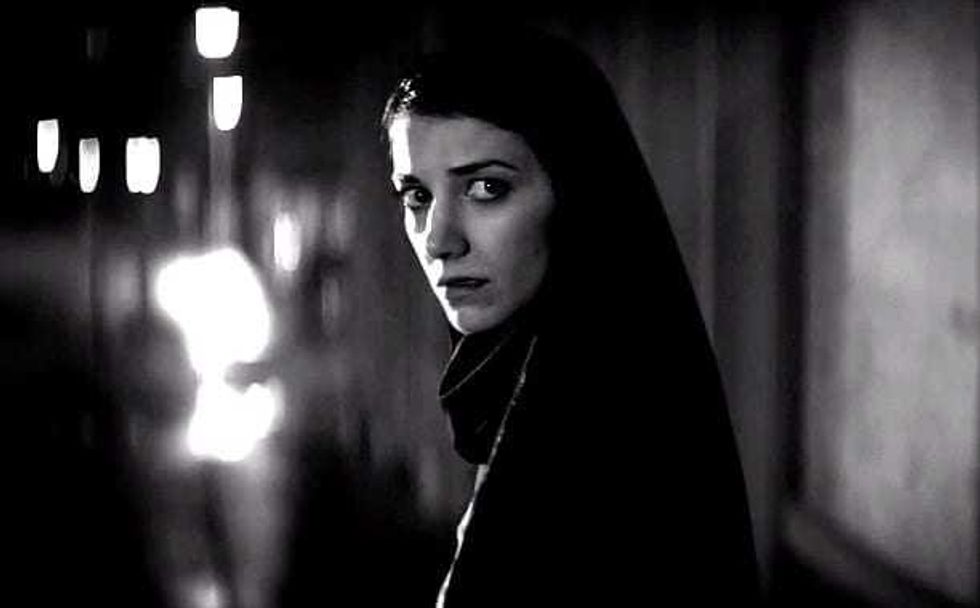 A Girl Walks Home Alone At Night (2014)Source: Kino Lorber, Vice Media
A simplistic horror about a vampire who preys on men who mistreat and abuse women, Anna Lily Amirpour’s A Girl Walks Home Alone at Night relies on anonymity to present the vampire as a mysterious force of death. The namelessness in this case adds to the fear of the unknown.
6. The Girl, The Seven-Year Itch (1995)
 The Seven-Year Itch (1995)Source: 20th Century Fox Studios
Widely considered to be one of the best Marilyn Monroe movies, Billy Wilder's The Seven-Year Itch follows a married man who falls in love with his beautiful neighbor while his wife and son are away on vacation.
By keeping her nameless, the narrative transforms her into pure fantasy, an idealized vision rather than a fully realized person.
7. The Protagonist, Tenet (2020)
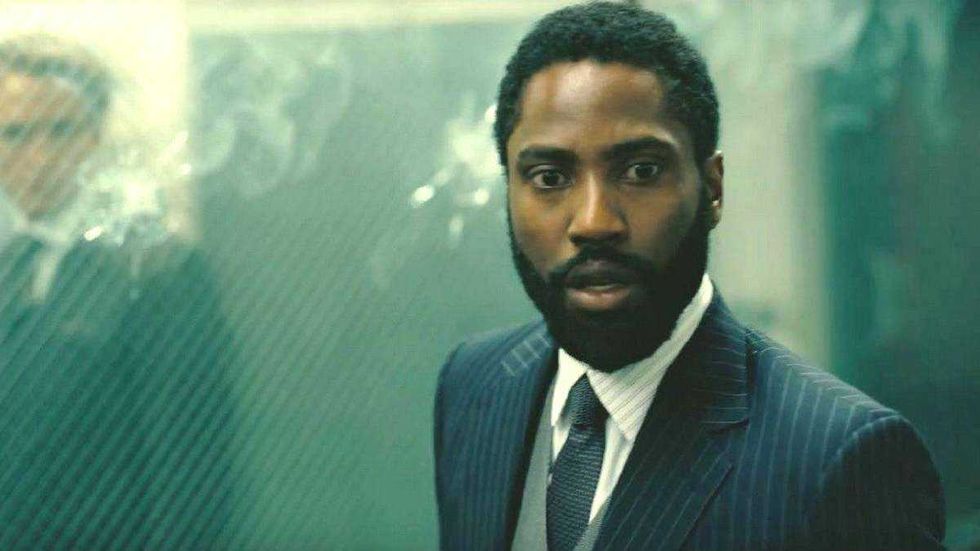 Tenet (2020) Source: Warner Bros.
Christopher Nolan's Tenet follows a CIA agent who sets out to save the world. In keeping with the Protagonist's covert work, Nolan forgoes a name for the lead character.
This creates ambiguity and an air of mystery around the Protagonist, underlining the secretive nature of the mission he undertakes.
8. The Lieutenant, Bad Lieutenant (1992)
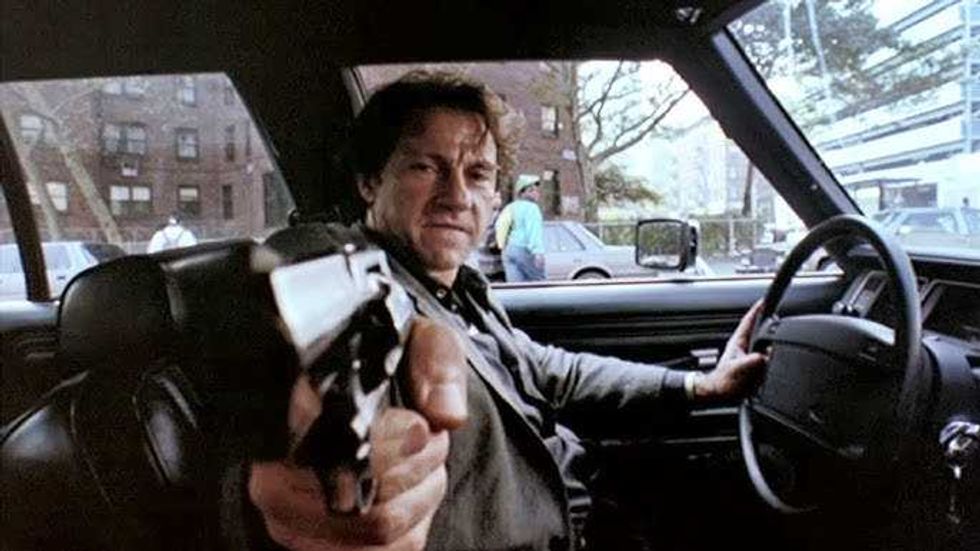 Bad Lieutenant (1992)Source: Starz Entertainment, Kadokawa Herald Pictures
The embodiment of a bad cop, Abel Ferrara's Bad Lieutenant, would have lost its universality if the Lieutenant had a name. In this story of redemption, withholding his name serves as both indictment and punishment for his corrupt actions.
9. The Driver, Drive (2011)
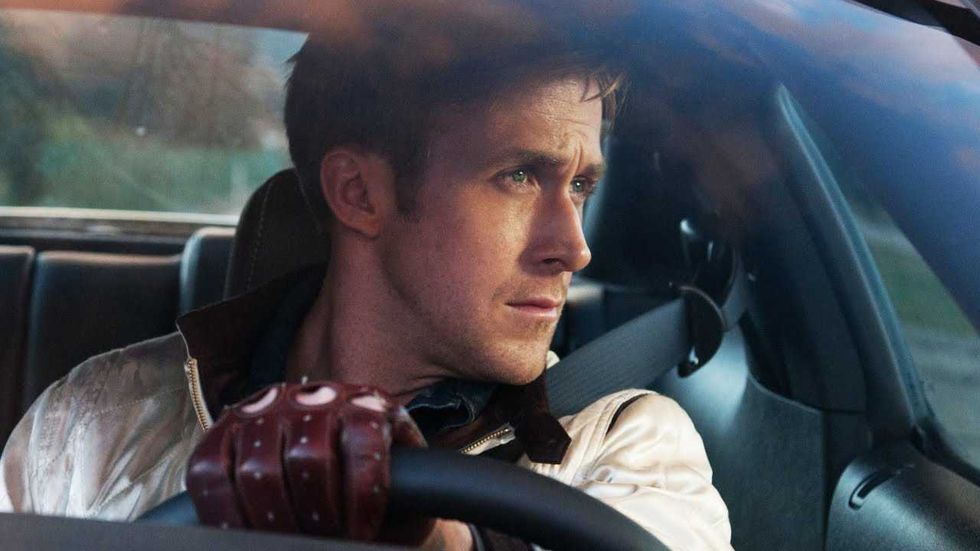 Drive (2011)Source: Le Pacte, FilmDistrict, Wild Side Films
A stuntman by day and a getaway driver by night, depriving Ryan Gosling’s character of a name in Nicholas Winding Refn’s Drive is only logical, given the man's involvement in illegal activities. He helps criminals evade the police.
Anonymity becomes Gosling’s identity as he navigates the streets with wanted criminals in the backseat, in his trademark driving gloves, a white jacket with a scorpion graphic on the back, and a toothpick between his teeth. His hidden identity becomes his shield in such a risky business.
10. XXXX, Layer Cake (2004)
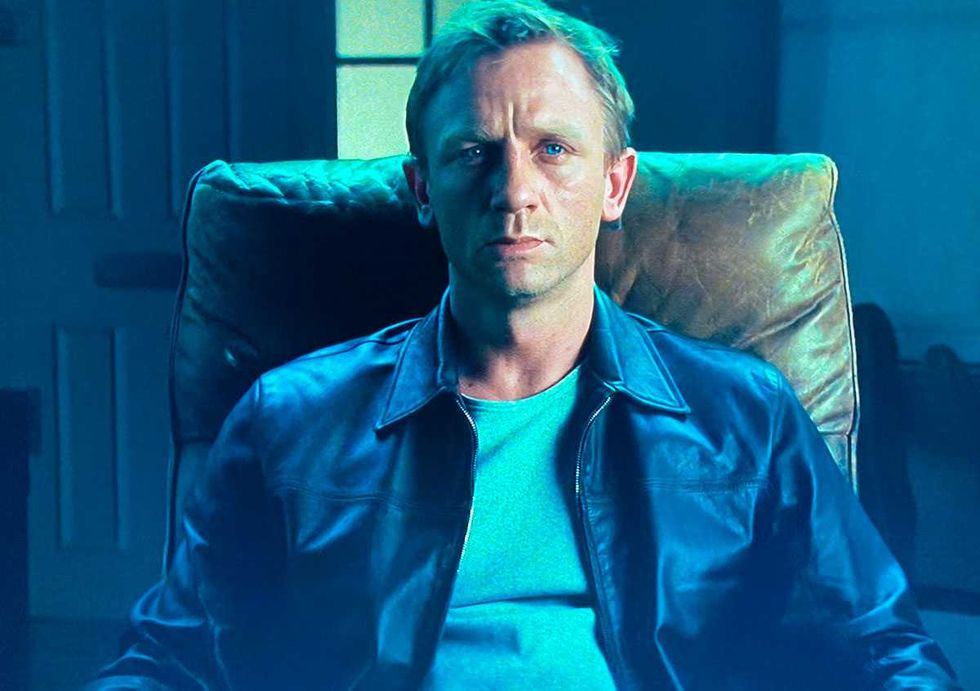 Layer Cake (2004)Source: Columbia Pictures, Sony Pictures Classics
We never learn Daniel Craig’s character’s name in Matthew Vaughn’s Layer Cake; he's credited as XXXX, doubling down on the namelessness of his character.
The narrative follows a drug dealer on the eve of his retirement as he completes his two final assignments. Without giving it a lot of thought, the unnamed man agrees, only for all hell to break loose.
You might wonder why the script credits him as XXXX instead of simply using a common noun, such as “man” or “drug dealer.” It’s because the author J.J. Connolly originally designated the protagonist as "XXXX" as a placeholder in the novel.
Which is your favorite character from our list?