How 'Voicemails for Isabelle' Director Leah McKendrick Defeated Development Hell and Got Her Movie Made
“Every time that I have gotten rebellious and that I have put my foot down, that is when something fruits.”
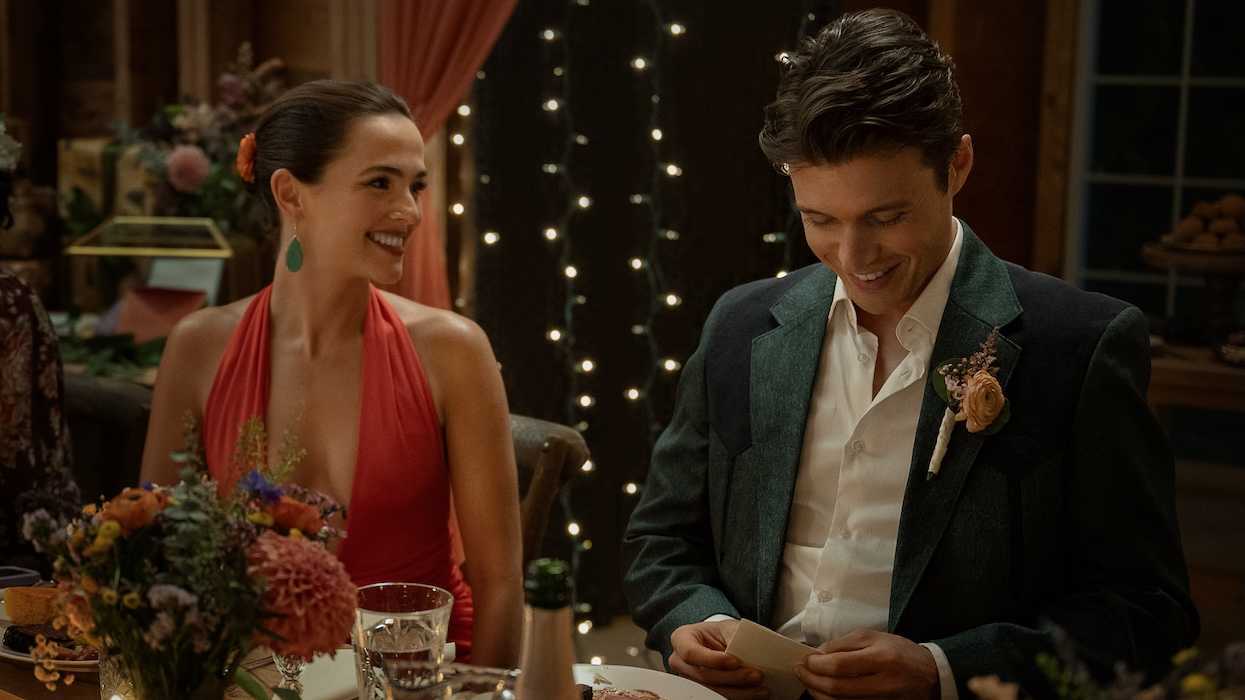
'Voicemails for Isabelle'
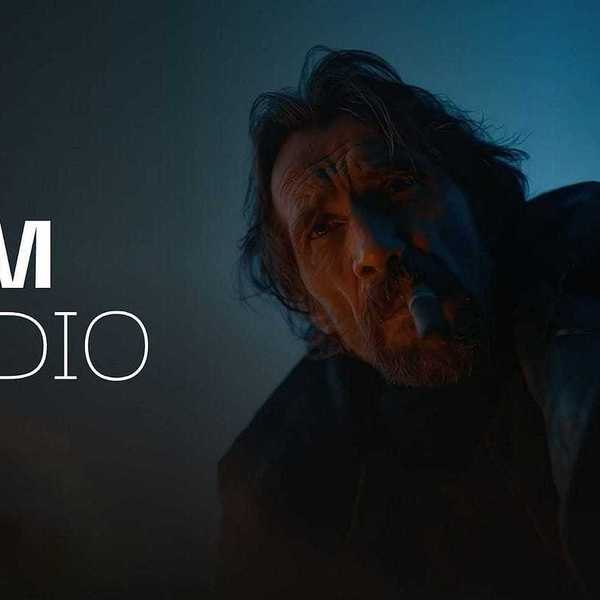
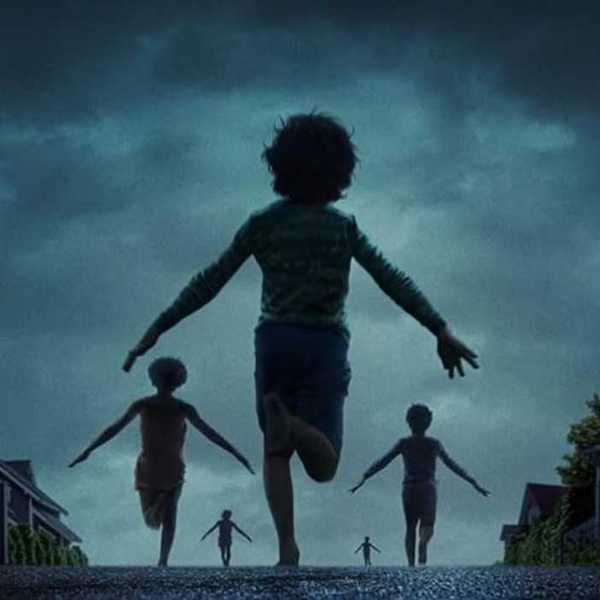
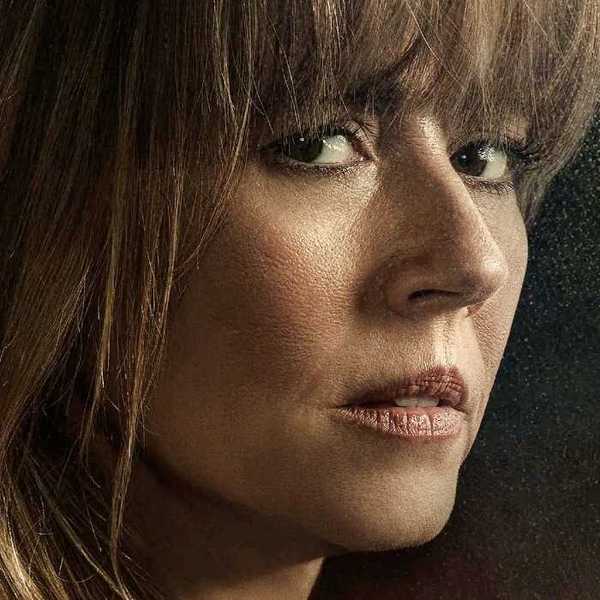
In this episode of the No Film School Podcast, writer-director-actor Leah McKendrick joins GG Hawkins to break down the long road to getting Voicemails for Isabelle made after years in development.
McKendrick traces her unconventional path from aspiring pop singer to independent filmmaker, studio screenwriter, and director, explaining how the frustration of watching projects stall pushed her to bet on herself and make Scrambled.
She shares how directing that indie feature changed the way studios saw her, helped her reclaim Voicemails for Isabelle, and ultimately led to Netflix and Sony backing her as its director. The conversation also covers navigating Hollywood development, creating opportunities without permission, collaborating with cinematographer Julia Swain, protecting your creative voice, and applying an indie filmmaking mindset at the studio level.
In this episode, we discuss:
- How McKendrick went from pursuing a career as a pop singer to discovering filmmaking and directing at Chapman University
- Why writing and directing her own projects became a way to create opportunities instead of waiting for permission
- How Destroy the Alpha Gammas and M.F.A. helped establish her as a writer, producer, actor, and filmmaker
- The reality of working as a studio screenwriter and spending years writing projects that may never reach production
- The original inspiration for Voicemails for Isabelle and why McKendrick wrote the first draft in only a few weeks
- How the screenplay quickly sold, landed on the Black List, and attracted major talent before spending years in development
- Why repeated studio regime changes and canceled projects ultimately pushed McKendrick toward directing
- The breaking point that inspired her to write, finance, and direct Scrambled rather than wait for another studio green light
- Why filmmakers need to understand their own taste rather than believing a director must personally master every technical department
- How McKendrick's collaboration with cinematographer Julia Swain helped her translate emotion and instinct into a visual language
- Why directors need to communicate and reiterate their vision differently for every department head
- How Scrambled allowed McKendrick to demonstrate through her actions that she was no longer interested in being only a writer-for-hire
- Why McKendrick avoids reading reviews and instead focuses on whether she made the film she intended to make
- How the success of Scrambled changed the industry's perception of McKendrick as a director
- How Netflix approached Sony about Voicemails for Isabelle and Sony agreed to move forward with McKendrick directing
- Why years of studio relationships that once seemed fruitless ultimately became valuable when McKendrick was ready to direct
- The importance of betting on yourself, embracing the unusual parts of your voice, and refusing to assume that following the traditional path will eventually lead to the work you want to make
Guests:
Subscribe to the No Film School Podcast on:
Get your question answered on the podcast by emailing podcast@nofilmschool.com
Listen to more episodes of the No Film School podcast right here: