The Secret to ‘Weapons’: Controlling Distance to Control Emotion
The tonal shifts are genius here.
'Weapons'
Zach Cregger's Weapons pulled off something unusual this year. The horror film earned a rare A- CinemaScore and finished with over $266 million worldwide on a $38 million budget (via Deadline).
The film is a unique take on supernatural horror, told in chapter format from different perspectives and timelines that often overlap. Tone and perspective change with each POV shift, and a lot goes into that, including cinematography. (If you missed our interview with the film's DP, Larkin Seiple, be sure to check that out.)
We love the film around here, so we were excited to find Lancelloti's video about how it uses these shifts in tone to tell one of the year's most creative stories and craft one heck of a villain.
Check it out, then we'll look at the main takeaways.
- YouTube www.youtube.com
Control Distance to Control Emotion
Cregger structures Weapons around a chapter-based format, with each segment following a different character's perspective on the same mysterious event: children vanishing from a small town.
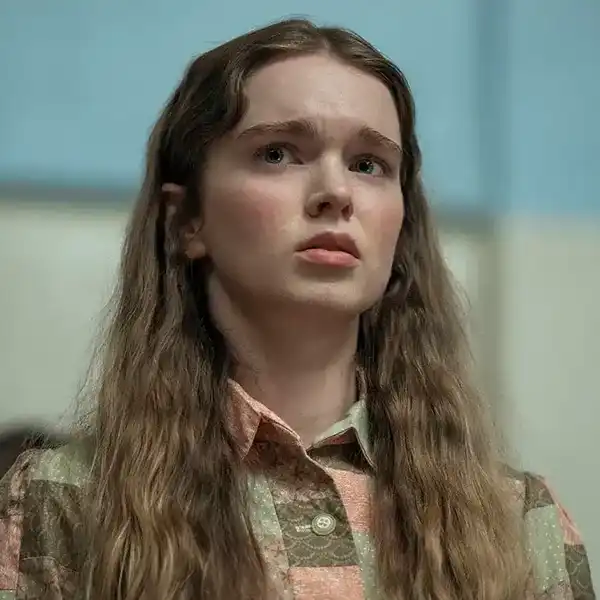
The film follows several locals, including teacher Justine (Julia Garner), cop Paul (Alden Ehrenreich), everyman Archer (Josh Brolin), and young addict James (Austin Abrams).
Each chapter has its own tone.
The opening section plays like a conventional thriller, creating a subjective perspective of intimacy with Justine through long takes that follow from behind and framing that locks us into her limited knowledge. We see a lot through her eyes in different POV shots. So it really feels like we're experiencing the danger alongside her.
You can use camera placement and narrative structure to control how close or far viewers feel from your characters and situations. When you're tight on a character experiencing terror with them, the tension builds. Pull back to a wider, more detached angle, and that same moment becomes observational or voyeuristic, and maybe absurd or darkly funny.
Seeing the same story moments from different characters' perspectives also allows for creative storytelling. Lancelloti points out that the initial confrontation between Paul and James is shot two different ways, one in a medium shot and another from a tight, low angle. The latter feels much more threatening.
Later chapters shift into detective story territory.
By the time the film reaches its climax, that thriller set-up feels far away. The disorientation becomes the film's biggest asset. As horror and comedy filmmakers note, both genres rely on the same construction. It's all about setup and payoff, and hitting the punchline (or jumpscare) precisely.
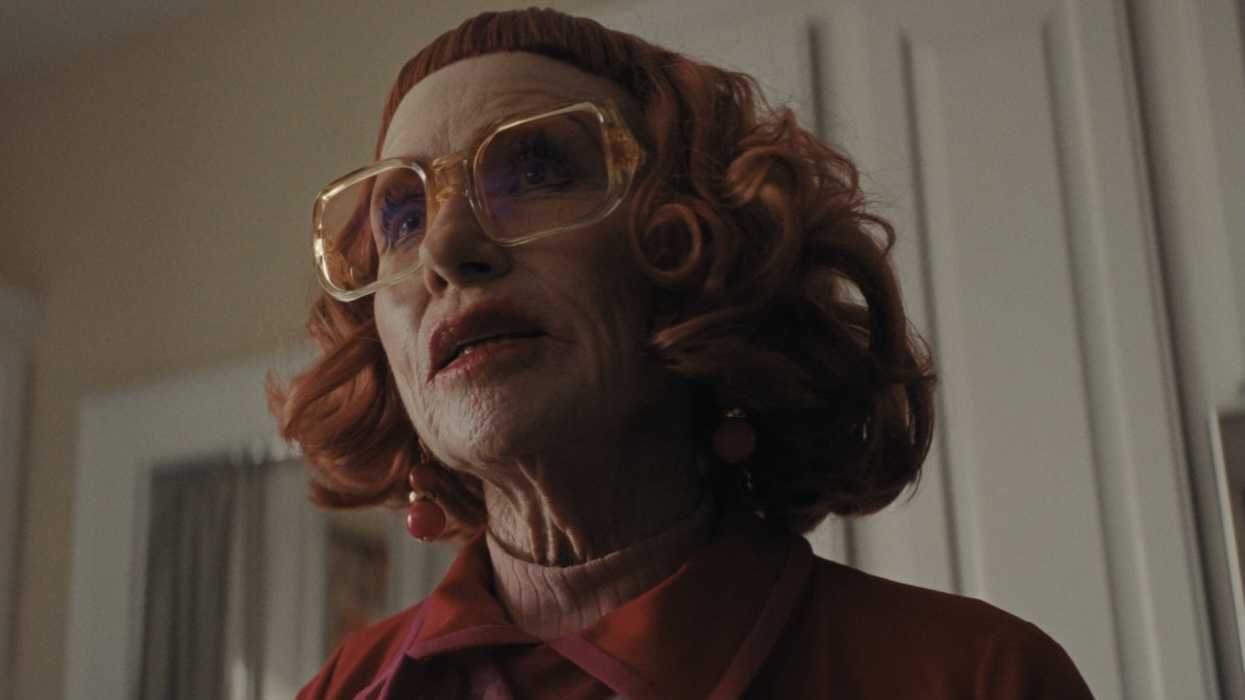
The film's villain, Aunt Gladys (Amy Madigan), embodies the film's tonal uncertainty. She's introduced in broad daylight through casual conversation. She doesn't "feel" like a villain, but there's something off about her clownish makeup and pushiness. The audience is on edge around her.
We finish in young Alex's (Cary Christopher) perspective, which does share some tonal elements with Justine's introductory chapter. Things become dark and scary again, because he's a child who doesn't fully know what's going on at first.
But then the film goes for all-out black comedy.
The Payoff of the Climax
As Lancelloti says in his video, the final sequences abandon thriller language entirely, using wide shots and comedic timing that feel almost cartoonish. The film has spent so much energy putting us inside characters' heads first that it earns its final left turn into this wild chase.
This emotional distance is directly proportional to the closeness established earlier. The wider the pull-back, the more absurd the situation feels. It's why perspective shifts work so effectively in genres that blend horror and comedy.
What Filmmakers Can Learn
Don't be afraid to play with tone and perspective to create uncertainty. Genre conventions are a good framework, but they can be subverted.
When audiences can't decide whether to scream or laugh, it's extremely fun and engaging. Experiment with mixing horror and comedy.
Get comfortable with camera movement, framing, and narrative structure.
Cregger showed in Barbarian that he understood how to blend tones. With Weapons, he's refined it into something even more sophisticated.