I was talking to my manager about finding producers on a spec and then which studios we could take the story to. And then I was like...wait, who can we take it to? Which movie studios are left?
So far, the 2020s have been marked by consolidation, and we're only going to see more in the near future as all these movie studios are bought by tech firms that want their stocks to go up and increase profit until these places break.
But for right now, there are still some major studios left, and what kind of IP they own and what their strategies are moving forward.
Let's dive in.
Who Are The Big Movie Studios?

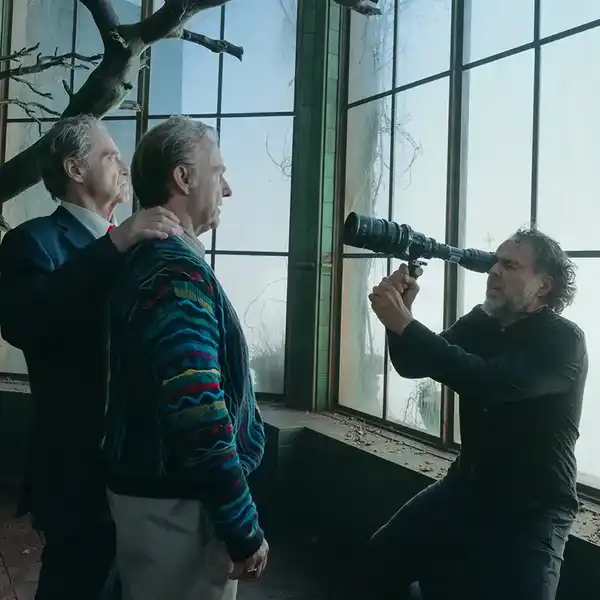
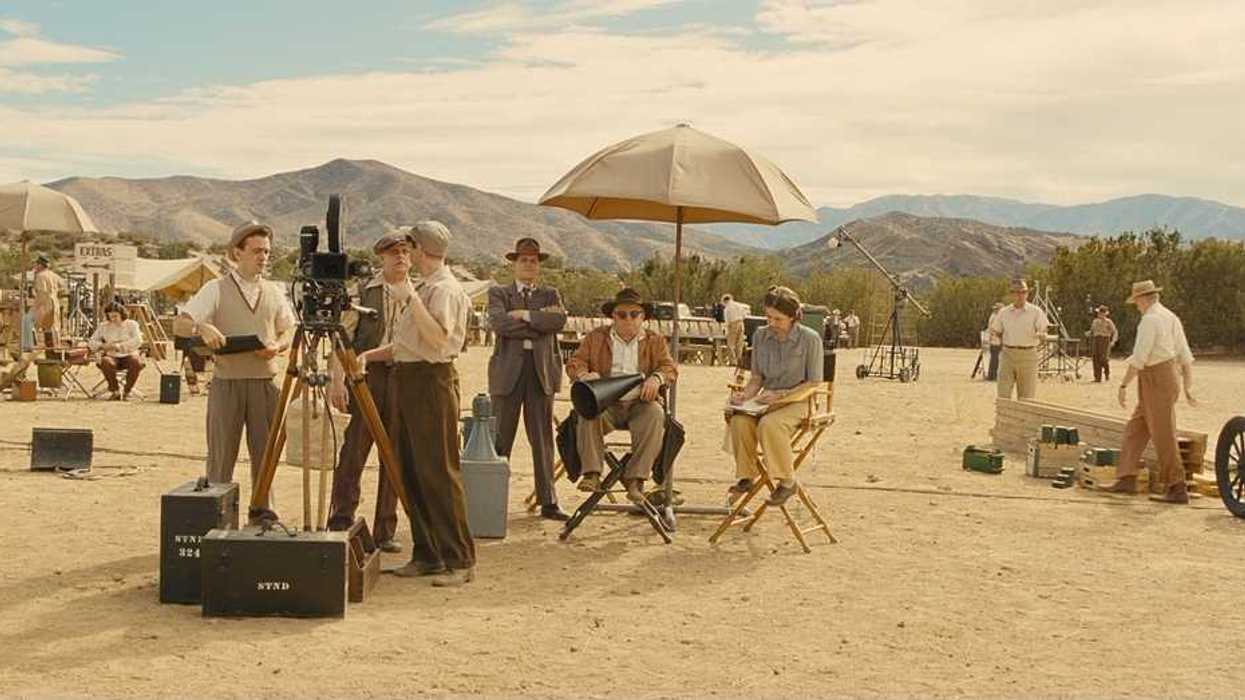
'Hail Caesar'
Credit: Working Title
1. Walt Disney Studios
Disney remains the "Gold Standard" of being a movie studio and of owning a bunch of IP. While they’ve faced a rocky transition into the streaming era, their acquisition of 20th Century Fox in 2019 effectively turned them into a super-major that had a grip on both theatrical and streaming.
- The Key IP:
- Marvel: The MCU (Avengers, X-Men, Fantastic Four, Guardians of the Galaxy).
- Lucasfilm: Star Wars and Indiana Jones.
- Pixar: Toy Story, The Incredibles, Finding Nemo.
- Walt Disney Animation: Frozen, The Lion King, Moana.
- 20th Century Studios: Avatar, Alien, Predator, Planet of the Apes.
- The Vibe: Disney is looking for "sure things." If you’re pitching them, it usually needs to fit into one of these established ecosystems or be a legacy-defining animated feature or live action.
2. Universal Pictures (Comcast)
Universal is currently killing it at the box office. They are diversifying their slate between massive blockbusters and high-concept "mid-budget" hits via Focus Features and Blumhouse. And they still make original movies.
- The Key IP:
- The Monster-Verse: Jurassic World, the Classic Universal Monsters (Dracula, Wolfman).
- Animation: Despicable Me/Minions (Illumination), Shrek, Kung Fu Panda, How to Train Your Dragon (DreamWorks).
- Action: The Fast & Furious franchise.
- Horror: Halloween, M3GAN, Five Nights at Freddy’s (through their Blumhouse partnership).
- Gaming: The Super Mario Bros. Movie (partnership with Nintendo).
- The Vibe: Universal is the current champion of "Commercial Viability." They are arguably the most open to diverse genres, provided there is a clear franchise hook. And they make stuff at every budget level, land is open to working with first-timers.
3. Netflix / Warner Bros. (The New Hybrid)
The industry shifted permanently when Netflix acquired the Warner Bros film and TV studios from Warner Bros. Discovery. This deal essentially gave the "tech disrupter" a 100-year-old library to fix its IP problem of having enough content, and of dipping its toes into theatrical.
- The Key IP:
- DC Universe: Batman, Superman, Wonder Woman, Joker.
- The Wizarding World: Harry Potter, Fantastic Beasts.
- Legacy Fantasy: Lord of the Rings / The Hobbit (New Line Cinema).
- The "Library": Casablanca, The Wizard of Oz, Game of Thrones, The Sopranos, Friends.
- Modern Netflix IP: Stranger Things, Squid Game, Wednesday.
- The Vibe: Experimental but brand-heavy. Netflix now has the DC machinery and is expected to integrate these legacy brands into its "algorithm" while potentially scaling back on non-IP prestige films. We don't have any idea what this will look like in 5 years, but it'll be interesting.
4. Paramount Pictures (Skydance)
After years of being the "underdog" of the majors, Paramount merged with Skydance Media. This deal brought much-needed stability and a production-first mentality back to the historic lot, and it should allow them to make a bigger mark both in theatrical and streaming, as they lure big-name filmmakers in.
- The Key IP:
- Legacy Blockbusters: Mission: Impossible, Top Gun, Transformers.
- Sci-Fi: Star Trek.
- Horror: Scream, A Quiet Place, Smile.
- Kids/Animation: Teenage Mutant Ninja Turtles, SpongeBob SquarePants, PAW Patrol (Nickelodeon).
- Westerns: Yellowstone (the wider Taylor Sheridan universe).
- The Vibe: "Quality over Quantity." Paramount is leaning into high-octane theatrical experiences and "Dad TV" through its Paramount+ ecosystem. It'll be interesting to see how this shakes out now with Ellison in control.
5. Sony Pictures (Sony Group Corp)
Sony is the last of the "majors" not owned by a domestic telecom or tech conglomerate (they are owned by Sony in Japan). They remain the "arms dealer" of Hollywood, selling their shows to the highest bidder rather than building their own dedicated mass-market streamer. And they make theatrical movies.
- The Key IP:
- Spider-Man Universe: Spider-Man (in partnership with Marvel), Venom, Spider-Verse.
- Gaming (PlayStation Productions): The Last of Us, Uncharted, God of War (in development).
- Comedy/Action: Ghostbusters, Bad Boys, Jumanji.
- Niche Content: Crunchyroll (the global leader in Anime).
- The Vibe: Resourceful. Sony relies heavily on their Spider-Man license and their massive PlayStation catalog to compete with the giants. They make a lot of prestige movies and are trying to grow, with filmmakers tapping into Columbia's catalog for remakes and to mine more IP.
6. Amazon MGM Studios
Since acquiring the historic MGM in 2022, Amazon has transitioned from a small "awards bait" studio into a franchise-hungry powerhouse. They are the primary challenger to the traditional Big Five.
- The Key IP:
- The Crown Jewel: James Bond (co-owned with Eon Productions).
- Action/Sports: Rocky and Creed (the Michael B. Jordan "Creed-verse").
- Sci-Fi/Cult: Stargate, RoboCop, Poltergeist.
- Modern Streaming IP: The Boys (Prime Video’s flagship), Fallout, The Lord of the Rings: The Rings of Power (TV rights).
- Comedy/Drama: Legally Blonde, The Pink Panther, Barbershop.
- The Vibe: "Global Scale." Amazon is mining the 4,000+ title MGM vault to turn cult classics into massive, multi-season streaming universes while keeping 007 as a theatrical event. As soon as that reboots. We're going to see them have a bigger impact.
7. Apple Original Films
Apple is the "Boutique Major" with a ton of money and an actual plan to build out an extensive library without licensing other people's movies. They buy their way to the top by funding the most expensive, auteur-driven blockbusters in the world.
- The Key IP:
- Sci-Fi: Foundation, For All Mankind, Severance, Silo.
- Prestige/Auteur: Killers of the Flower Moon (Scorsese), Napoleon (Scott).
- Sports: F1, Ted Lasso.
- Animation: Fraggle Rock, Wolfwalkers (partnership with Cartoon Saloon).
- The Vibe: They've positioned themselves as "The New HBO." Apple isn’t interested in owning every piece of IP; they want to own the best piece of IP. If you have a high-concept project with an A-list director that costs $200 million and has no superhero in it, Apple is your only destination.
Comparison Table: Who Rules the Box Office?
When it comes to releasing movies theatrically, there are not many places left that guarantee that.
Let's look at what their strategies are in this handy graph I made.
| Studio | Current Owner | Core IP Strategy | Primary "Window" |
| Walt Disney Studios | Public | Franchise Dominance | Disney+ / Hulu |
| Universal Pictures | Comcast | Diverse Blockbusters | Peacock / Theatrical |
| Warner-Netflix | Netflix | Legacy Meets Tech | Netflix Global |
| Paramount Pictures | Skydance | Action & Animation | Paramount+ |
| Sony Pictures | Sony Group | Gaming & Superheroes | Theatrical / Licensing |
| Amazon MGM Studios | Amazon | Deep Catalog Mining | Prime Video / Theatrical |
| Apple Original Films | Apple | Prestige & Auteur Hits | Apple TV (formerly +) |
Summing It All Up
These are the movie studios that are left and what they control. I'll try to keep this updated as more consolidation happens, but you can see just how much has changed in the last five years, and how much could change in the next five if these places keep gollbing each other up.
Let me know what you think in the comments.